IN Brief:
- The Turośń Kościelna system provides 200MW of power and 800MWh of lithium iron phosphate storage.
- The facility connects at 110kV and includes 196 battery modules with 49 transformer stations.
- Capacity market income and Entrix optimisation will combine reliability payments with wholesale and balancing revenues.
Greenvolt Power has inaugurated a 200MW/800MWh battery energy storage facility at Turośń Kościelna in north-eastern Poland, bringing one of the country’s largest operating storage assets onto the transmission system. The four-hour plant connects at 110kV and will be commercially optimised by Entrix across wholesale, balancing, and ancillary service markets.
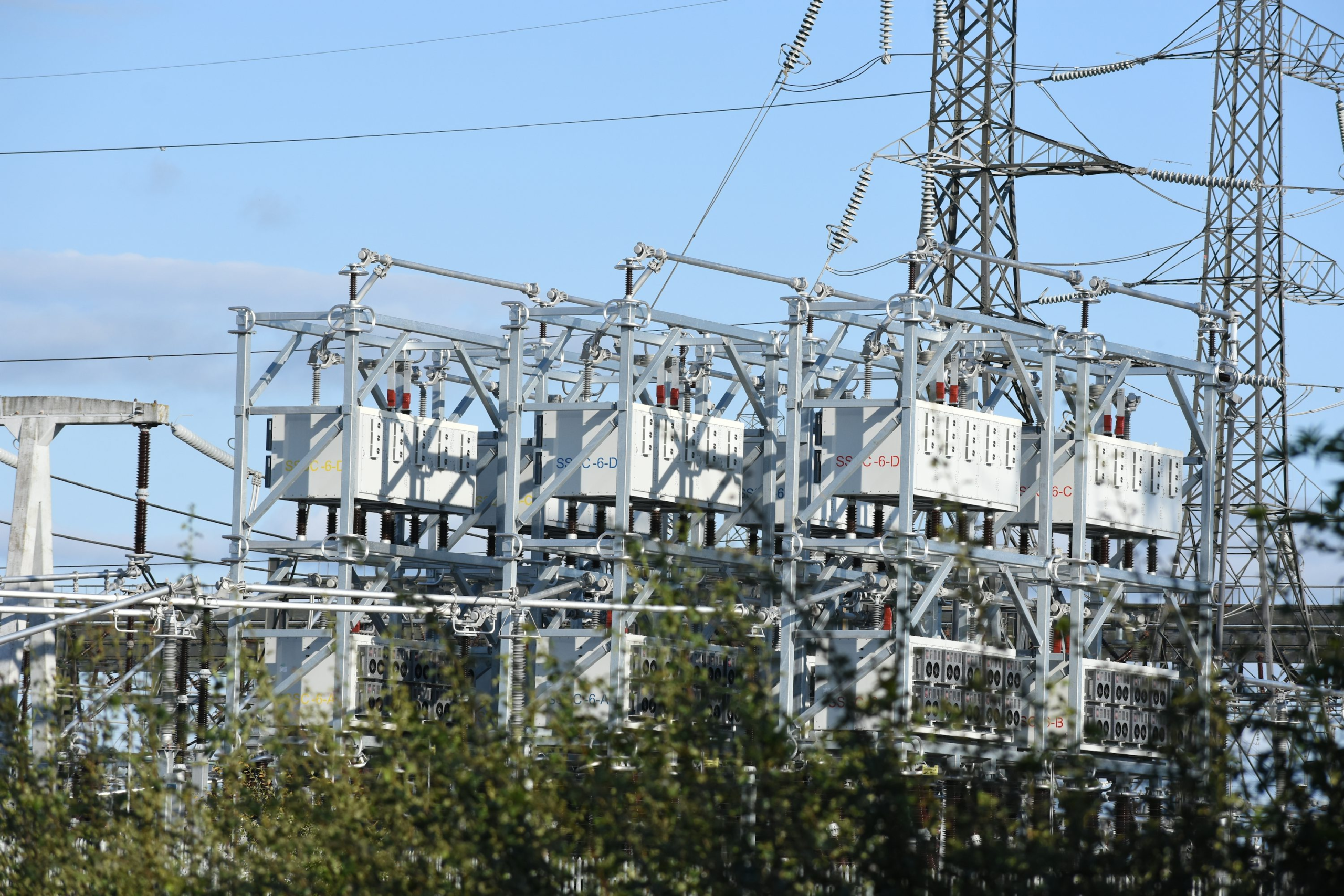
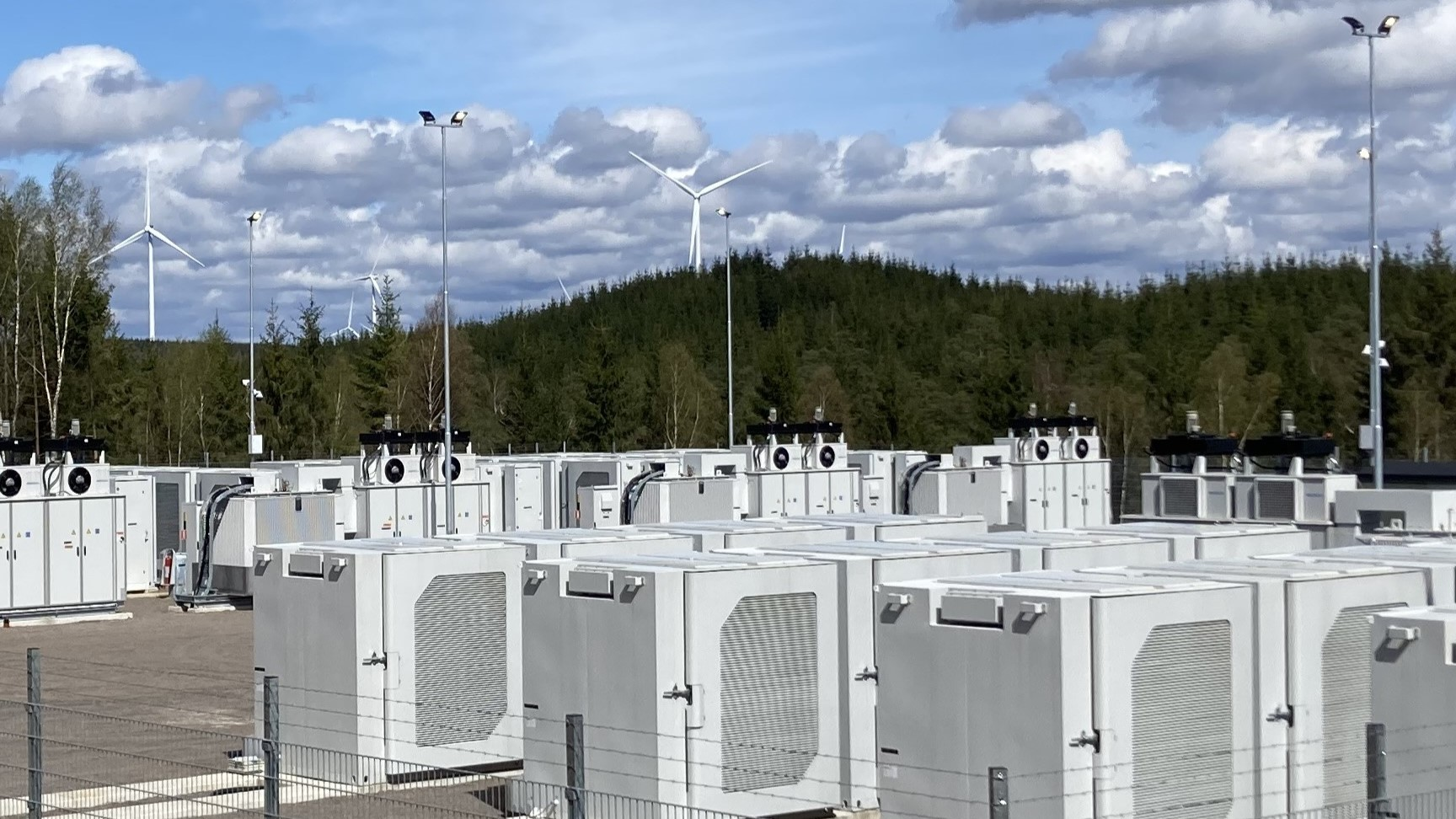
The facility comprises 196 containerised battery modules and 49 transformer stations. Its lithium iron phosphate cells provide 800MWh of stored energy, allowing the plant to sustain full 200MW discharge for four hours before accounting for operating limits and losses. That duration makes the project capable of moving substantial volumes of electricity from periods of high renewable output into evening or system-stress periods.
Greenvolt secured a 17-year capacity market contract for the project in Poland’s 2023 auction, with delivery obligations beginning in 2028. Capacity payments provide a long-term revenue floor in return for dependable availability, while market optimisation can capture shorter-term value from price spreads and grid services. The combination is important because stand-alone batteries rarely rely on a single income stream over their operating life.
Entrix will manage the commercial dispatch. Optimisation requires continuous decisions about when to charge, discharge, preserve state of charge, or hold capacity for reserve services. Those decisions must account for wholesale prices, balancing market signals, battery degradation, network constraints, and the plant’s capacity market obligations rather than simply chasing the largest visible daily price spread.
Storage moves into Poland’s system architecture
Poland’s electricity mix remains heavily dependent on coal, but wind and solar capacity are expanding quickly. Variable generation can reduce fuel use and wholesale prices when output is high, although it also creates sharper ramps and a greater need for flexibility when weather-driven production changes. A four-hour battery can respond in milliseconds for frequency support and remain available long enough to cover a meaningful section of the evening peak.
The 110kV connection gives Turośń Kościelna direct access to the high-voltage network rather than limiting it to a local distribution application. That positioning allows the asset to participate in wider system balancing, although its effective operation will depend on dispatch rules, network availability, and the evolution of Poland’s ancillary service markets. Storage can relieve short-duration stress, but it must be integrated into control and settlement arrangements that recognise its ability to act as both load and generation.
With 800MWh housed in 196 modules, the facility requires coordinated thermal management, fire detection, power conversion, transformer protection, and supervisory control. The electrical balance of plant is as consequential as the cells: a battery that cannot exchange power safely through its inverters, transformers, and switchgear is merely an expensive collection of charged containers.
Lithium iron phosphate chemistry has become common in stationary storage because of its cycle life and thermal characteristics. Even so, plant operators must manage temperature, cell imbalance, degradation, and emergency response throughout the asset’s life. Four-hour duty cycles can produce substantial energy throughput, placing a premium on accurate state-of-health modelling and disciplined maintenance.
A pipeline beyond the first 800MWh
Turośń Kościelna is part of a larger Greenvolt programme in Poland. The developer has previously identified another 200MW/800MWh project and is advancing a 600MW facility at Siedlce. That pipeline indicates that capacity market awards are beginning to translate from development portfolios into physical assets, rather than remaining as connection applications and auction positions.
One 200MW plant can provide reserve and time shifting, but Poland’s system operates at tens of gigawatts and faces growing renewable integration requirements. Additional storage must develop alongside transmission reinforcement, flexible demand, interconnection, and dispatchable generation capable of covering longer periods of low wind and solar output.
Greenvolt now has an operating reference that combines long-term capacity revenue with merchant optimisation. The 200MW connection gives the network a controllable asset capable of rapid charging and discharge at a high-voltage node. Its scale creates demand for integrated battery, inverter, transformer, protection, and control packages across the European supply chain.
The operating phase will expose availability, response accuracy, degradation, and maintenance performance. Entrix must operate the plant within its market and capacity obligations without accelerating degradation, while Greenvolt must maintain hundreds of battery and electrical subsystems. The value of 800MWh will be measured in the number of system-critical hours in which the facility is ready to deliver. Commercial optimisation must remain within the battery’s contracted availability and technical limits.