IN Brief:
- Spanish photovoltaics generated a record 7,696GWh during July.
- Solar represented 28.3% of generation and led the mix for four consecutive months.
- Renewable generation reached 14,699GWh while national electricity demand also increased.
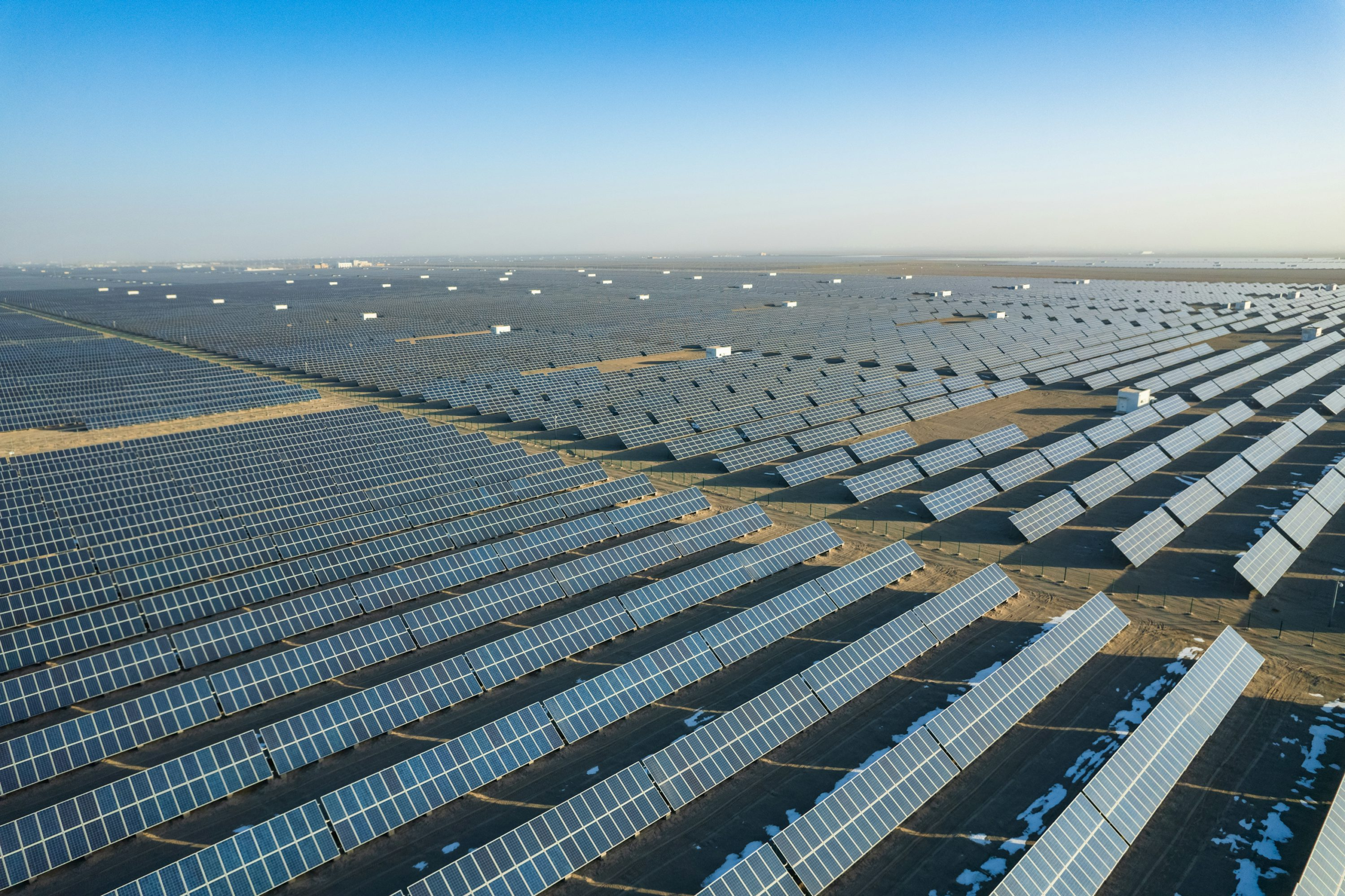
Red Eléctrica recorded a new monthly photovoltaic generation high in Spain during July, with solar producing 7,696GWh and supplying 28.3% of the national electricity mix.
Photovoltaics led Spanish generation for a fourth consecutive month after increasing output by 22.2% compared with July 2025. The technology also set a new daily production record of 278.6GWh on 8 July.
Total renewable generation reached 14,699GWh during the month, another Spanish record. Renewable sources accounted for 54.1% of electricity production, with output rising by 5.8% from the same period one year earlier.
Those figures exclude much of the electricity consumed directly behind the meter. Red Eléctrica estimates that self-consumption installations produced around 1,654GWh during July; including that output raises the renewable share of the national mix to 55.7%.
The generation record coincided with unusually high electricity use. Adjusted for temperature and working-day effects, national demand increased by 3.5% year on year, while gross demand rose by 6.9% to 25,144GWh.
That was the highest monthly demand recorded since January 2008, when consumption reached 25,742GWh. Record renewable output was therefore delivered during a month in which the system carried substantially greater load rather than against a background of weak consumption.
Photovoltaics was followed by combined-cycle gas generation with a 20.1% share. Nuclear provided 18.2%, wind supplied 14.4%, and hydropower accounted for 7.6%.
The position of combined-cycle generation as the second-largest technology illustrates the continuing requirement for controllable output during a solar-heavy month. Monthly shares conceal hourly changes, with photovoltaic production rising during daylight and falling to zero overnight.
Gas generation, hydroelectric assets, storage, cross-border flows, and demand flexibility can contribute when solar output declines or demand exceeds available renewable supply. Which resources operate depends on availability, network conditions, market prices, reserve requirements, and the location of generation relative to consumption.
Spain used battery and pumped-hydro storage to integrate 906GWh during July. Those technologies returned 510GWh to the network during the month and held 396GWh of stored energy at the end of the reporting period.
The difference between energy absorbed and returned does not represent losses alone because storage levels also changed across the month. Charging or pumping late in July can leave energy available for later use, while conversion and auxiliary losses account for part of the remaining difference.
Storage can reduce curtailment when renewable output exceeds immediate demand or available network capacity, but it cannot remove every constraint. A battery or pumped-storage facility must be connected on the appropriate side of a bottleneck and have sufficient power, duration, and spare capacity when surplus generation occurs.
Transmission development remains important because Spain’s renewable resources are not evenly distributed. Large solar and wind projects may be located far from principal consumption centres, requiring substations, transformers, overhead lines, underground circuits, protection systems, communications, and interconnections capable of carrying their output.
Distribution networks face a different challenge as rooftop and commercial solar expands. Behind-the-meter production reduces measured demand during sunny hours and can reverse flows through local transformers where exports exceed nearby consumption.
System operators consequently need better visibility of distributed generation. Installed-capacity registers, weather forecasts, smart-meter data, inverter communications, and statistical estimation are used to determine how much photovoltaic output is reducing demand before electricity reaches the transmission network.
The July self-consumption estimate is significant because it represents electricity that would otherwise appear partly as additional grid demand. Planning solely around measured transmission demand would understate the total volume being used by consumers during daylight hours.
Solar’s 28.3% generation share also increases the importance of inverter performance. Photovoltaic plants connect through power electronics rather than synchronous generators, changing the way frequency, voltage, fault current, and system strength are managed.
Advanced inverters can provide reactive power, voltage support, controlled active-power response, frequency services, and grid-forming functions, but those capabilities depend on equipment specifications, connection requirements, settings, testing, and communications with operators.
The strong July output must therefore be considered alongside the system’s ability to remain stable during faults and rapid changes. A large solar fleet can alter output quickly because of weather movements or protection events, requiring reserve and control arrangements capable of responding at comparable scale.
Technologies classified by Red Eléctrica as free of equivalent carbon dioxide emissions supplied 72.4% of Spanish generation during July, with the associated energy volume increasing by 7.7% year on year. That share reflects the combined contribution of renewable and nuclear generation rather than photovoltaics alone.
Spain has now shown that solar can lead the electricity mix during a period of high national demand. The engineering question is shifting from whether photovoltaics can set another monthly record to whether networks, storage, flexible loads, and controllable generation can absorb further growth without creating larger midday surpluses and steeper evening ramps.