IN Brief:
- Soluna and Applied Digital have signed an agreement to establish a venture developing 50MW of critical IT capacity in Briscoe County, Texas.
- The proposed facility would use electricity from the 150MW Briscoe Wind Farm and the grid, subject to definitive power arrangements.
- Applied Digital would hold 51% and Soluna 49%, while a prospective ChronoScale lease remains non-binding and completion is targeted for late 2026.
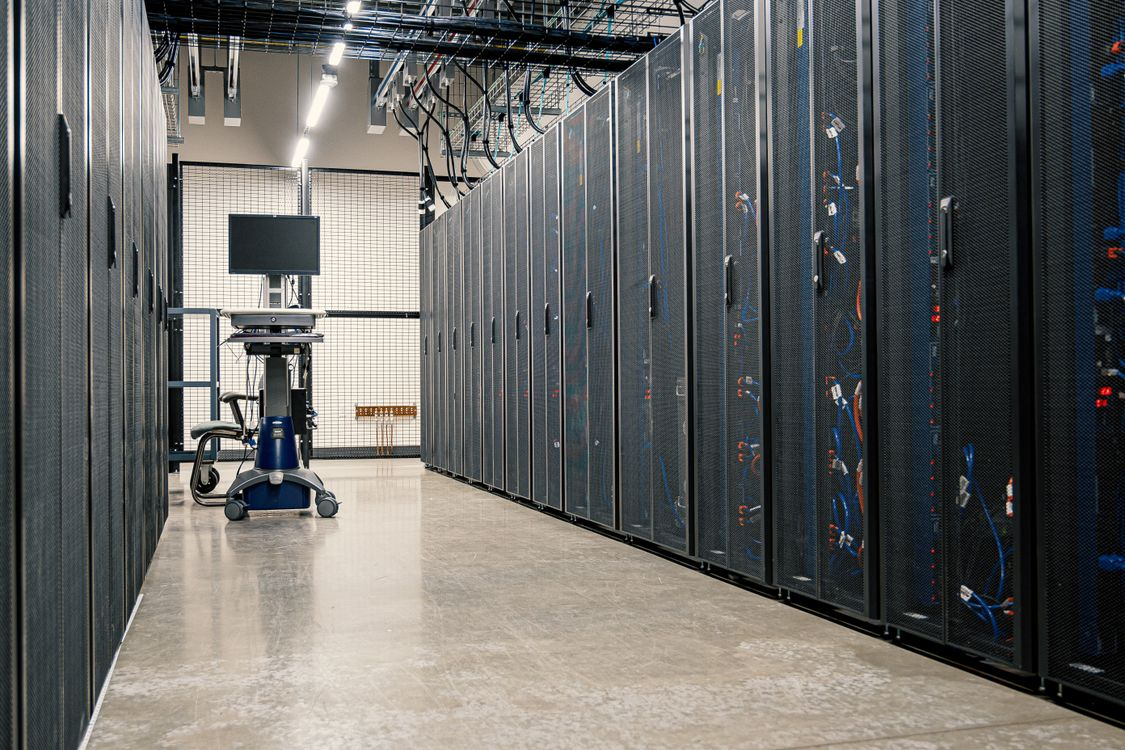
Soluna Holdings has agreed to form a joint venture with Applied Digital for a proposed 50MW artificial intelligence data centre in Texas, combining computing infrastructure with electricity from an adjacent wind farm and the wider grid.
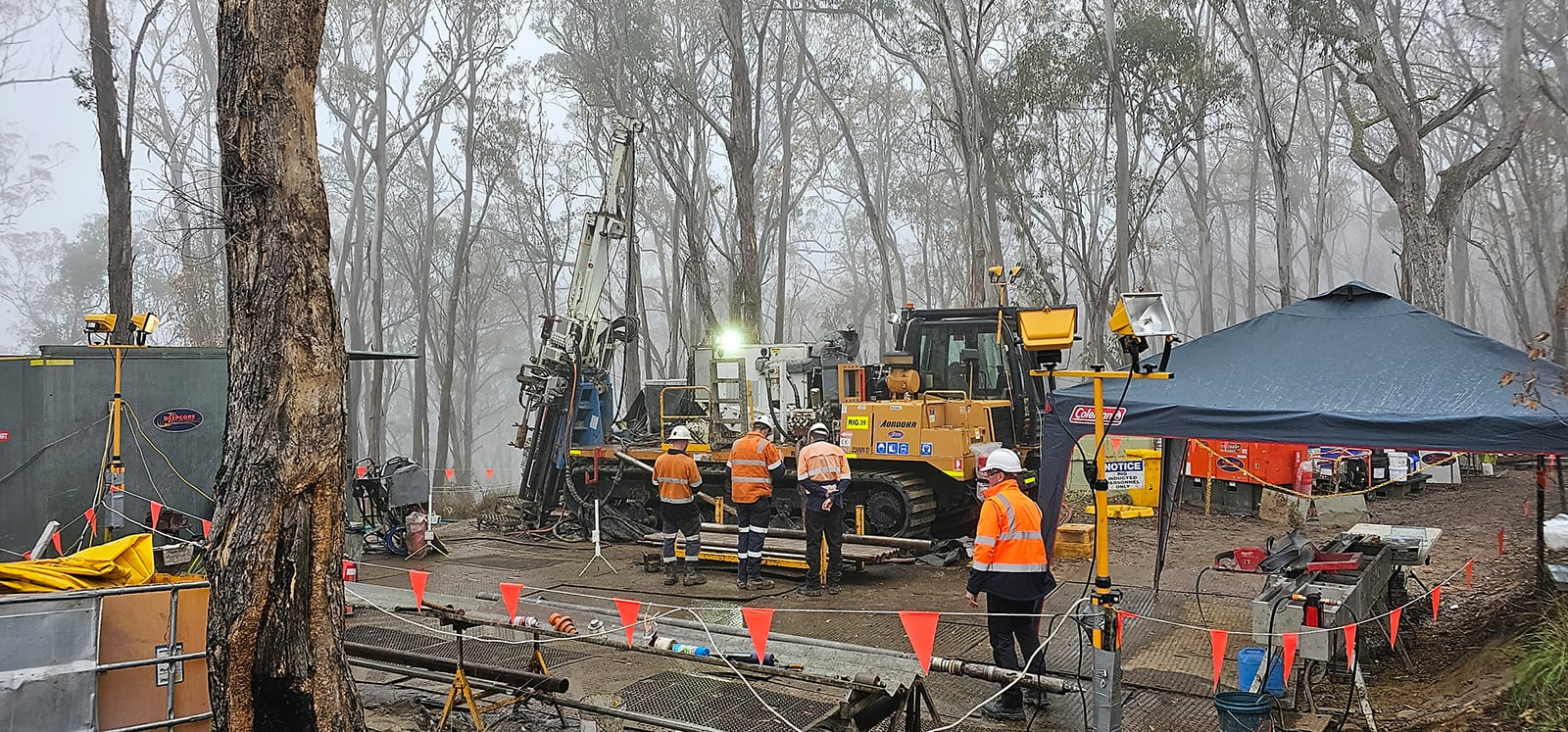
The development is planned for Project Dorothy 3, near Silverton in Briscoe County, where Soluna owns the 150MW Briscoe Wind Farm and has been assembling land and electricity infrastructure for an expansion of its computing operations.
Under the agreement announced on 21 October 2026, Applied Digital is expected to hold 51% of the project company, with Soluna retaining 49%. Applied Digital would contribute development capital, while Soluna would transfer part of the Dorothy 3 site, including land and power-related assets.
The transaction is expected to close before the end of 2026, subject to several conditions. These include approval of a local tax abatement, receipt of title policies, corporate approvals and execution of agreements governing the project company, electricity supply and property leases.
The companies have therefore established a proposed development structure rather than completed the joint venture or confirmed the start of construction.
The first phase is designed around 50MW of critical IT capacity, a measure of the power available to computing equipment. This is different from the total electricity demand of a data centre, which also includes cooling, electrical conversion losses and supporting systems.
The final facility electricity requirement has not been disclosed. Without a confirmed power usage effectiveness figure and detailed electrical design, the 50MW IT rating cannot be treated as the site’s complete grid demand.
Dorothy 3 is intended to draw electricity from both the Briscoe Wind Farm and the grid. Its generating asset was acquired by Soluna in April 2026 for $53 million, giving the company ownership of a renewable electricity source alongside its existing computing operations.
The wind farm has an installed capacity of 150MW and operates within the ERCOT electricity system. Its maximum generating rating does not mean that 150MW is continuously available to the neighbouring data centre.
Wind generation varies with weather conditions, turbine availability and operating restrictions. The power supplied at any particular time will depend on those conditions and the commercial and electrical arrangements connecting the assets.
A combined wind and grid supply arrangement could allow the computing installation to use locally generated electricity while retaining access to external electricity supplies. The proportions of electricity delivered through each route have not been established.
The proposed arrangement also does not demonstrate that the data centre will operate entirely on renewable electricity. Its electricity sourcing will depend on generation, consumption, contracts and the treatment of imports from the grid.
Locating a substantial electricity load near generation can alter the flows required through parts of the network. Whether those changes reduce congestion or connection expenditure depends on the actual network configuration and the limits applying at the connection point.
The final interconnection and power supply agreements remain among the conditions governing completion of the venture. No final electrical connection capacity or complete distribution architecture has been disclosed for the proposed first phase.
Data centre electricity infrastructure must convert and distribute power to computing equipment while maintaining suitable voltage and frequency conditions. Transformers, switchgear, protection systems and associated controls are integral to that work.
Large computing installations can also experience changes in electrical demand associated with equipment utilisation. Power systems must accommodate those variations within the capabilities of the connection and internal distribution equipment.
Electrical resilience is another design requirement. Sensitive computing equipment can be affected by disturbances or interruptions, requiring arrangements for power conditioning and continuity of supply appropriate to the intended service.
Soluna has not announced the final uninterruptible power supply, battery storage or backup generation configuration for Dorothy 3. The planned use of wind generation should not be interpreted as confirmation that the installation has sufficient energy storage to maintain operation during periods of low wind output.
Soluna has previously undertaken electrical engineering work intended to support integration of large computing loads with renewable generation. That background provides context for the company’s development approach, although it does not establish which equipment suppliers or operating systems have been selected for the new facility.
The Dorothy campus has also progressed through electricity connection procedures. In September, Soluna reported that ERCOT had conditionally classified 100MW of existing campus capacity as base load under its Batch Zero process.
A separate request for an additional 50MW of load was under study by the relevant transmission and distribution service provider. That request should not be treated as a completed connection agreement for the proposed joint venture.
The conditional classification and load study concern stages in the regulatory and technical process. Final capacity available to Dorothy 3 will depend on the relevant connection decisions and operating requirements.
The site forms part of a broader development programme. Soluna acquired approximately 397 acres for Dorothy 3 in August, creating space for a potential computing campus considerably larger than the first phase.
The company has identified an eventual development opportunity of up to approximately 300MW, subject to further infrastructure, connection and investment decisions. That capacity remains a potential expansion rather than an installation committed under the October agreement.
Commercial demand is another outstanding condition. ChronoScale Holdings, a computing services company majority owned by Applied Digital, has signed a non-binding letter of intent to lease the planned facility.
The proposed arrangement is intended to provide a potential occupier for the computing infrastructure. However, the letter is not an executed lease, and the companies have made clear that definitive negotiations may not result in an agreement.
The intended triple-net structure would be subject to the eventual lease terms. Those terms have not been disclosed, so the announcement does not establish a contracted rental income stream or completed customer commitment.
The capital required for construction has also not been quantified publicly. Applied Digital is expected to provide development funding, but the companies have not announced a final construction budget or a binding timetable for completing the facility.
The agreement consequently leaves several related milestones outstanding: formation of the project company, local tax approval, definitive electricity agreements, property and customer contracts, and the engineering work required to advance construction.
Soluna’s ownership of the adjacent wind farm gives the proposal a physical generation asset, rather than relying solely on a future renewable energy development. Nevertheless, its power supply, capacity and commercial arrangements must be completed before the planned AI installation can be treated as committed operational infrastructure.
The companies expect to close the transaction by the end of 2026. Until the remaining conditions are satisfied, Dorothy 3’s first 50MW phase remains a proposed computing installation rather than an operating wind-powered data centre.