IN Brief:
- Northern Ireland's Public Accounts Committee has issued 11 recommendations addressing shortcomings in the delivery of the region's Energy Strategy.
- The Department for the Economy should publish a funded plan for grid capacity, transmission infrastructure and energy storage constraints within six months.
- Renewable electricity accounted for 50% of consumption in the year to June 2026, against a statutory target of at least 80% by 2030.
Northern Ireland’s Public Accounts Committee has called for a funded plan to address electricity grid capacity, transmission infrastructure and energy storage constraints within six months, warning that delays are threatening progress towards the region’s 2030 energy targets.
The recommendation forms part of a report published on 22 October 2026 examining the Department for the Economy’s delivery of Northern Ireland’s Energy Strategy. The committee identified shortcomings in planning, accountability and investment certainty, despite improvements in reporting and oversight arrangements.
Its report contains 11 recommendations intended to accelerate implementation of the strategy, introduced in 2021 to support affordable, secure and increasingly low carbon energy while developing Northern Ireland’s energy economy.
Recommendation five specifically calls for the department, working with relevant stakeholders, to develop and publish a funded, time-bound plan covering grid capacity, transmission infrastructure and storage constraints. The proposed six-month deadline would require publication by April 2027.
That recommendation does not itself allocate money, approve network construction or establish a committed programme of reinforcement. Those decisions would require subsequent action by the department, network organisations and other authorities responsible for delivering the necessary infrastructure.
The committee’s findings follow an investigation by the Northern Ireland Audit Office, which identified weaknesses in how the strategy’s objectives had been translated into annual action plans and monitored against measurable outcomes.
Northern Ireland’s statutory target requires at least 80% of electricity consumption to come from renewable sources by 2030. The committee reported that renewable electricity accounted for approximately 50% of consumption in the year to June 2026.
That represented an improvement from 43% in the year to January 2025, but left a substantial gap between recorded performance and the level required by the end of the decade.
The committee found that departmental officials were least confident about achieving the renewable electricity target. They identified major grid investment, network optimisation, battery storage and completion of the North/South Interconnector among the requirements affecting delivery.
The interconnector is now not expected to enter service until 2031, beyond the strategy’s 2030 deadline. Its anticipated completion date therefore presents a constraint on relying upon the project to deliver the full range of benefits originally envisaged within the target period.
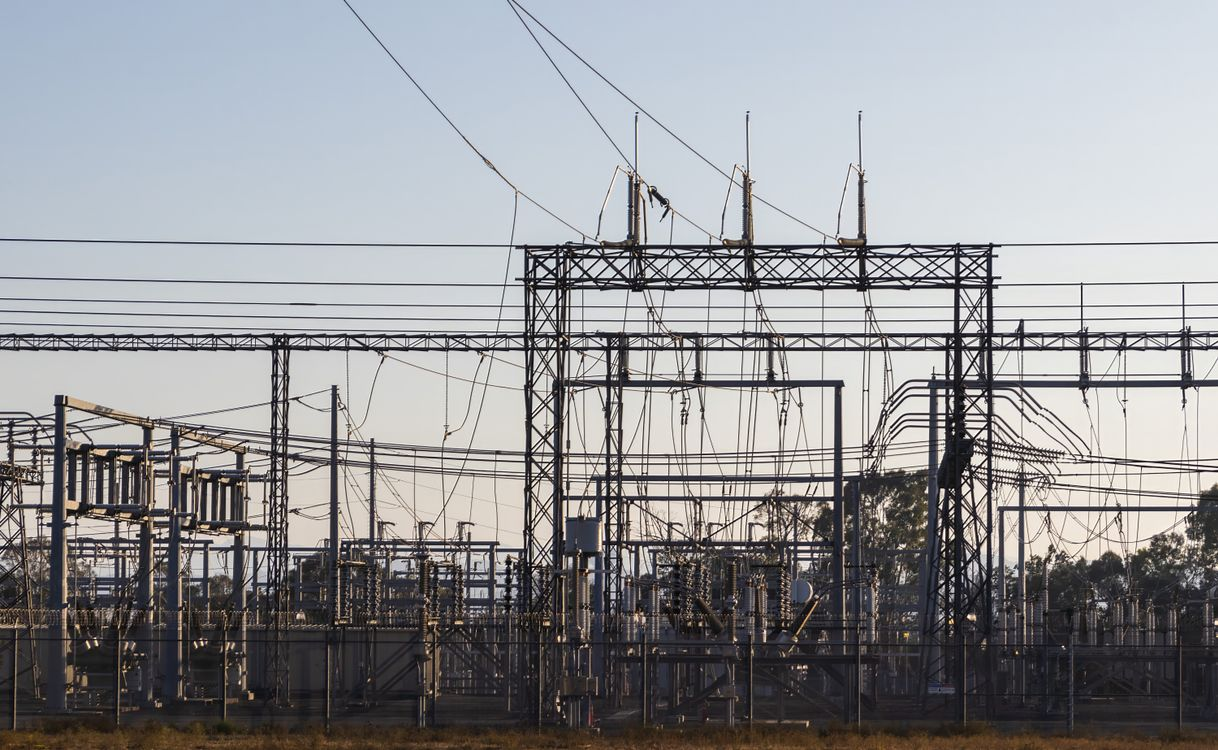
Additional renewable generation requires suitable connections to the electricity network before output can be delivered to consumers. Where existing circuits, transformers or substations cannot accommodate the proposed power flows, developers may depend on reinforcement or changes to connection arrangements.
Network capacity is also geographically specific. Spare capacity on one circuit cannot necessarily resolve congestion elsewhere, particularly where additional generation would increase power flows through infrastructure already operating close to its technical limits.
Transmission development must consequently be coordinated with generation investment. A wind or solar project can progress through planning and equipment procurement while remaining dependent on electrical infrastructure whose construction follows a separate approval and delivery timetable.
Evidence submitted to the committee identified uncertainty about connection times, transmission capacity and the completion of enabling network works as obstacles to investment decisions.
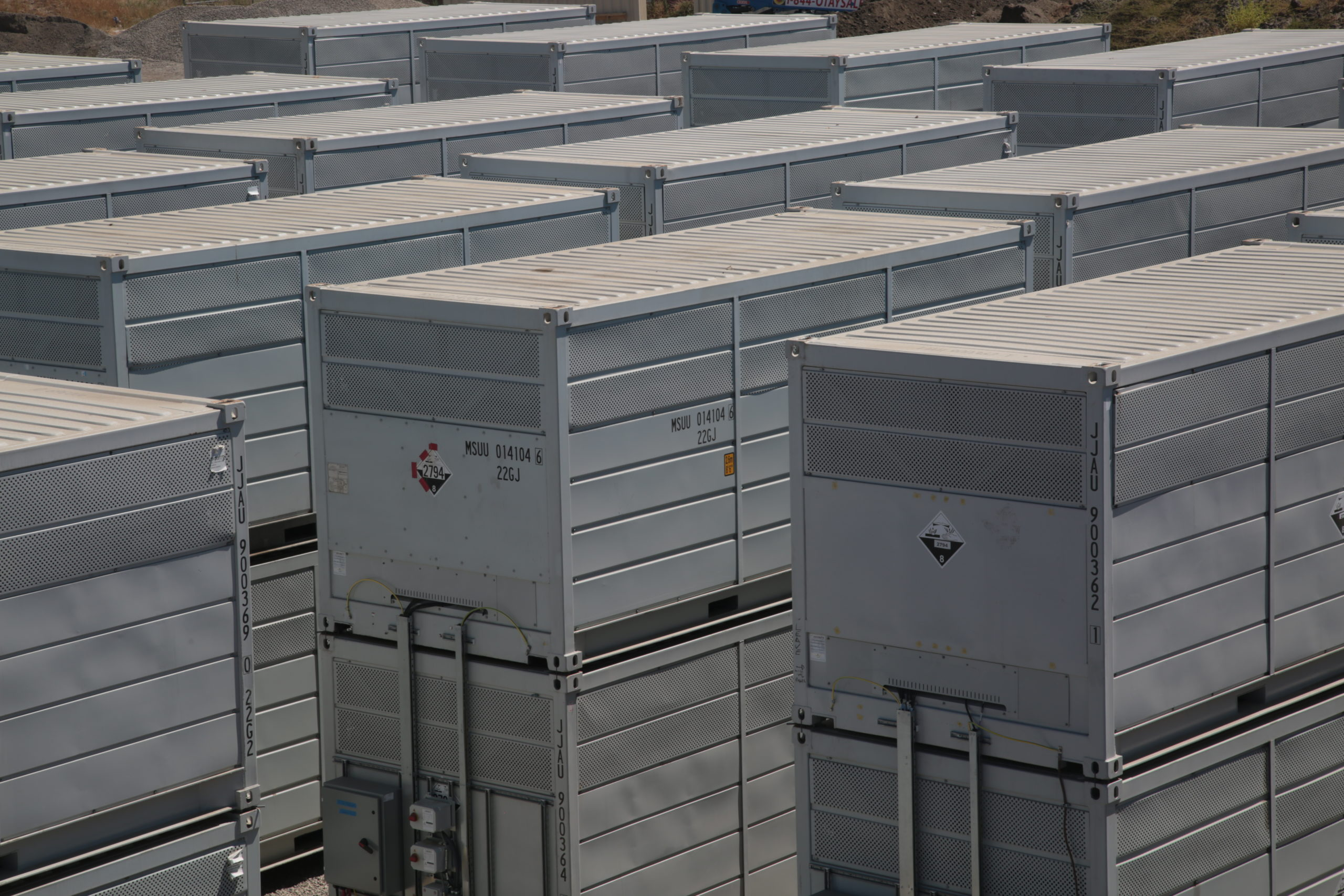
Electricity storage was another concern. Batteries and other flexibility resources can absorb electricity during selected periods and return it later, potentially changing the timing of flows through the network.
Their contribution depends on power rating, available stored energy, connection location and the operating conditions imposed by network operators. Storage cannot automatically replace additional transmission capacity, particularly where constraints persist longer than an installation can provide useful flexibility.
An effective infrastructure programme would therefore need to distinguish between constraints that can be addressed through flexible operation and those requiring physical reinforcement. It would also have to establish how generation, storage and network investment could progress under compatible delivery schedules.
The committee’s recommendation brings these requirements together in a proposed funded plan rather than treating them as separate technical questions without a coordinated timetable.
Planning and consenting procedures create further dependencies. Stakeholders reported that delays involving statutory consultees, legal challenges and infrastructure approvals were increasing development costs and preventing some otherwise mature projects from proceeding.
Recommendation eight calls for a further action plan within six months addressing planning and infrastructure barriers to renewable projects. The committee wants the Department for the Economy to work with infrastructure authorities, local government and other relevant organisations.
Those measures sit alongside a broader call for stronger coordination across government. Electricity infrastructure, environmental regulation, planning and industrial development involve several organisations whose decisions can affect the same project.
The report also questioned whether previous public spending had demonstrated sufficient progress. The department confirmed £123.8 million of expenditure since 2020 relating to Energy Group staffing and selected energy programmes.
That figure is not the amount invested directly in transmission reinforcement or battery storage. It covers the activities examined within the committee’s review of strategy delivery and administration.
The Northern Ireland Audit Office found that annual action plans frequently lacked defined deadlines, measurable outcomes or clear links to the strategy’s headline targets. Without consistent monitoring, it was difficult to establish whether individual actions were delivering progress at the required pace.
The committee has therefore recommended publication of an Energy Policy Statement before the end of 2026. This should identify the policy, legislative, regulatory and market measures needed to achieve the strategy, together with responsible organisations and completion dates.
It also wants the statement updated every six months and progress reported through government oversight arrangements. Annual action plans should be prepared across departments rather than focusing predominantly on the activities of the Department for the Economy’s Energy Group.
The strategy’s wider targets include reducing energy consumption in buildings and industry by 25% by 2030 and doubling turnover in the low carbon and renewable energy economy to £2 billion. The committee reported greater departmental confidence in the economic target than in renewable electricity delivery.
The different positions reflect the need to assess progress separately rather than interpreting activity or expenditure as evidence that every headline target is on course.
With four years remaining before the renewable electricity deadline, the department faces a requirement to turn the committee’s recommendations into defined programmes. The proposed six-month infrastructure plan would be an early measure of whether grid reinforcement, storage and planning constraints are being addressed through funded commitments rather than further general objectives.