IN Brief:
- Alinta Energy has discontinued development of the proposed A$1.8bn Oven Mountain pumped hydro project in northern New South Wales.
- The installation was designed to provide 900MW of generating capacity and eight hours of storage, equivalent to 7.2GWh.
- Economic and scheduling problems, including a critical transmission line, made the scheme unviable before construction could begin.
Alinta Energy has discontinued development of the proposed 900MW Oven Mountain pumped hydro storage project in northern New South Wales, citing economic and scheduling problems affecting critical infrastructure, including an electricity transmission line.
The decision, confirmed on 22 October 2026, ends plans for an installation designed to deliver eight hours of electricity generation at rated output, equivalent to approximately 7.2GWh of stored energy.
The development had been progressing through the New South Wales planning assessment process but had not received final development approval or entered construction. Its withdrawal therefore removes planned future storage capacity rather than reducing the capacity of Australia’s operating electricity system.
Alinta said it had examined the available options following several years of technical studies, planning, consultation and project development. The company concluded that the scheme was no longer economically viable.
The developer specifically identified economic and timing challenges involving key project elements, including a critical transmission line. It has not published a detailed breakdown of the cost increases or specified how much of the decision resulted from individual infrastructure constraints.
Oven Mountain was planned near Georges Junction, in remote and mountainous country between Armidale and Kempsey. Its location within the New England region was selected partly for the substantial elevation difference available between proposed water reservoirs.
The closed loop pumped hydro scheme would have used an upper and lower reservoir connected through tunnels and an underground generating station. Water would be released from the upper reservoir through hydraulic turbines, driving electrical generators before entering the lower reservoir.
During charging, electrically driven pumps would transfer water uphill, restoring the gravitational potential energy used during generation.
The reservoirs were designed to have an elevation difference exceeding 600 metres. That hydraulic head would contribute to the available turbine power alongside water flow and the efficiency of the machinery.
The project’s 900MW power rating described the intended maximum generating output. With eight hours of storage at rated power, its nominal energy capacity would have been approximately 7,200MWh, or 7.2GWh.
These figures describe the proposed scheme’s design rather than equipment installed or tested. No electricity was being generated or stored by Oven Mountain at the time of cancellation.
Pumped hydro consumes electricity during pumping and returns a smaller amount during discharge because of hydraulic, mechanical and electrical losses. Its value lies in shifting electricity supply between periods and providing controllable generating capability when needed.
The technology can support electricity systems with substantial renewable generation by absorbing power during selected periods and returning it when demand or system conditions justify discharge.
The duration of storage distinguishes pumped hydro from many shorter-duration battery installations, although both technologies can be designed for a range of operating profiles.
An eight-hour generating capability may be useful during extended periods when electricity demand exceeds the output of variable renewable sources. Its actual contribution would depend on reservoir levels, available pumping opportunities, network connection capacity and operating arrangements.
The transmission connection was therefore essential to the proposed development. Electricity would need to reach the pumping equipment during charging and be exported through the network when the turbines generated power.
A completed generating station would have limited commercial use without an adequate electrical connection. Delays to the transmission infrastructure could affect testing, commissioning, the beginning of operating revenues and the financial viability of the wider investment.
Transmission development can have a different approval and construction programme from the storage installation it is intended to serve. Land access, environmental assessment, route design, conductor and tower procurement, substations and electrical protection systems can all influence delivery schedules.
Where one project depends on another reaching completion, delays can create costs that extend beyond the directly affected work. The publicly available information does not establish the contractual responsibilities or detailed delivery timetable for the transmission connection at Oven Mountain.
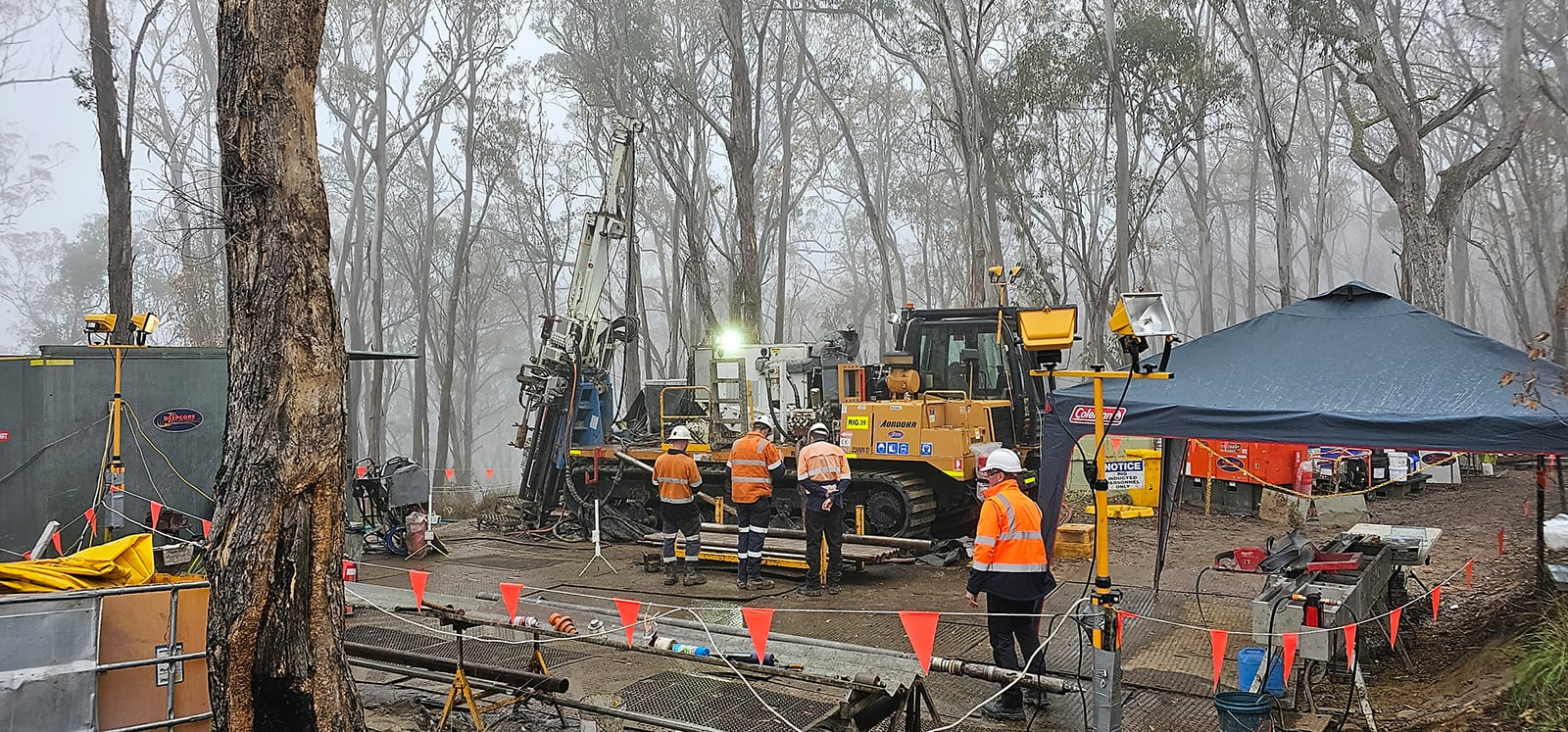
The development site also presented substantial civil engineering challenges. Its steep terrain required consideration of access roads, bridges, working platforms and arrangements for moving heavy machinery and construction materials.
Earlier contractor involvement work examined more than 40 kilometres of access infrastructure, including road alignments and the structures required to reach the proposed underground works.
Construction of a pumped hydro scheme involves large quantities of excavation, underground engineering and hydraulic infrastructure. Geological conditions, access restrictions and the movement of heavy equipment can all influence cost and programme risk.
The project’s previously reported development cost was approximately A$1.8 billion. That historical estimate should not be treated as an updated final construction price or evidence of the exact cost that led Alinta to withdraw.
The economic assessment also takes place against a changing energy storage market. Lithium-ion battery costs have declined, while some major civil construction costs have increased, altering comparisons between different storage technologies.
Australian energy analyst Tristan Edis has argued that those changes are making some pumped hydro proposals less competitive. He also noted that suitable mountainous sites are not necessarily close to high-voltage transmission infrastructure.
Those observations provide market context but do not constitute a detailed financial assessment of Oven Mountain. Alinta’s own statement identifies both economics and infrastructure timing without disclosing the calculations behind its final decision.
Battery storage and pumped hydro also have different operating characteristics. A battery with four hours of usable energy cannot automatically replace an eight-hour hydro scheme where the system requires sustained output over a longer period.
Comparing their costs requires assessment of storage duration, efficiency, location, connection requirements, operating life and the services each installation would provide.
The cancellation has consequences for local infrastructure and construction activity. Armidale Regional Council had worked with the developer on road planning associated with the proposed scheme, while local representatives had anticipated construction employment and related economic activity.
The development also attracted environmental and land use concerns, reflecting the effects that major civil engineering works can have in remote landscapes.
Oven Mountain’s withdrawal follows the earlier cancellation of Origin Energy’s proposed 870MW Skye Ridge wind farm near Walcha. The decisions concern separate developments, and the reported reasons should not be treated as identical.
The New South Wales planning portal continued to show Oven Mountain within its assessment process when the withdrawal became public. That administrative record does not override Alinta’s explicit decision to discontinue development.
The project’s website now carries the cancellation notice, although some historical descriptions of the planned generating scheme remain visible on the site.
With development discontinued, the proposed 900MW/7.2GWh installation will not progress under the programme assessed to date. Other generation, storage and transmission proposals in the New England region must continue through their own investment and approval processes, while Oven Mountain’s planned contribution to future long-duration storage capacity has been removed.