
IN Brief:
- Revera Energy has taken final investment decision on the 400MW/800MWh Hunterston BESS in North Ayrshire.
- Construction is expected to start in Q3 2026.
- Windyhill, Hunterston, and Kincardine together form a 1GW/2GWh Scottish battery storage portfolio.
Revera Energy has taken final investment decision on its 400MW/800MWh Hunterston battery energy storage project in North Ayrshire, advancing one of Scotland’s largest battery storage portfolios.
The Carlyle-backed developer expects construction at Hunterston to begin in the third quarter of 2026. The decision follows financial close and notice to proceed for the 200MW/400MWh Windyhill battery storage project in Glasgow, where construction is already underway.
Revera is also advancing the 400MW/800MWh Kincardine BESS in Fife, with construction expected to begin in the first quarter of 2027. Together, Windyhill, Hunterston, and Kincardine represent 1GW/2GWh of battery storage capacity and more than £500m of investment across Scotland.
The three projects are expected to support around 550 direct construction jobs and 45 long-term operational roles. Each has secured a position within the UK’s Clean Power 2030 framework, placing the portfolio inside the infrastructure pipeline being developed for a more flexible electricity system.
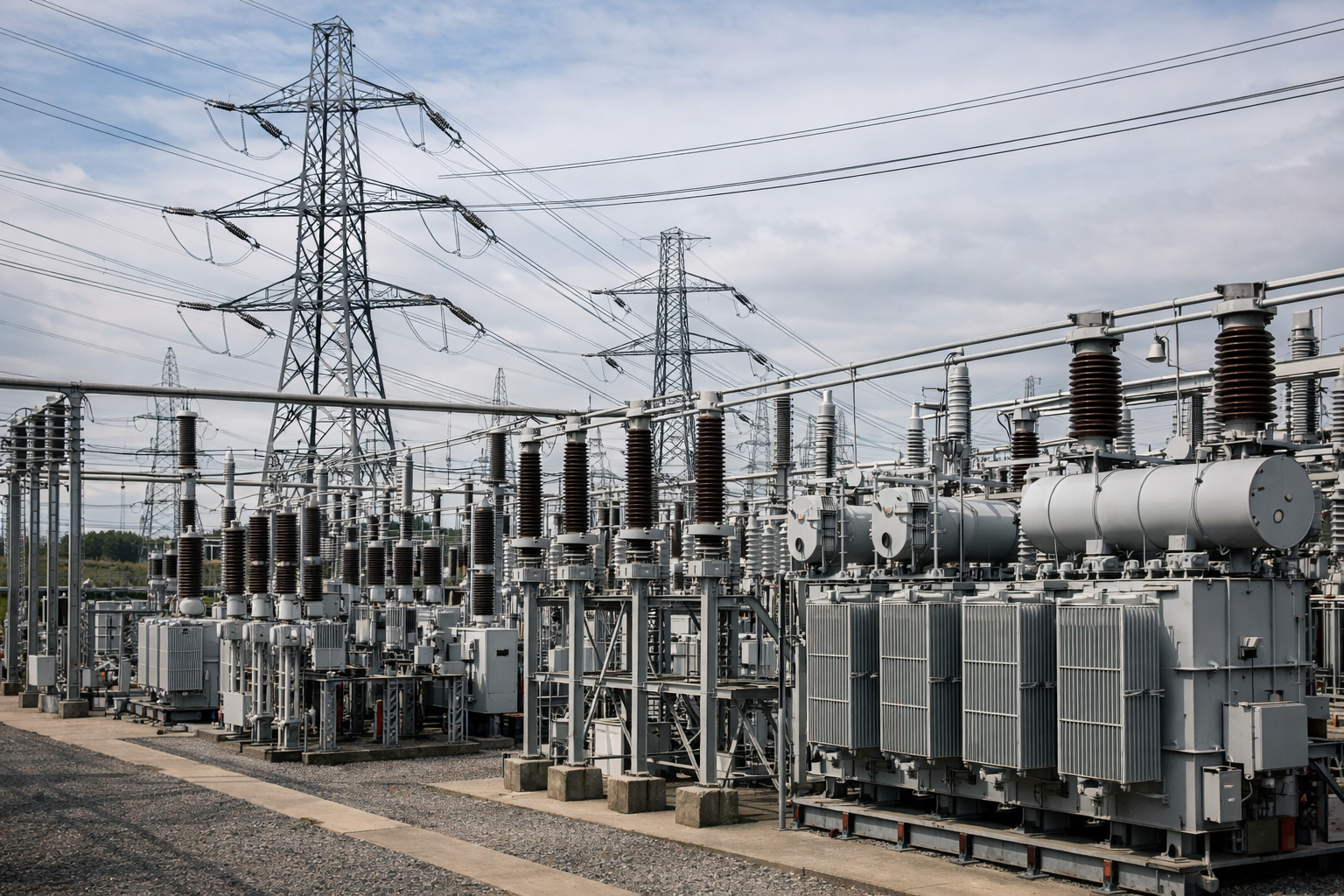
Hunterston is located on the west coast of Scotland, close to the decommissioned Hunterston A and B nuclear power stations. The project is designed to connect to SP Energy Networks’ 400kV transmission system and support constraint management, grid stability, and renewable integration.
The site’s location gives the project a clear system role. Scotland has strong renewable resources, but power often needs to move south towards larger demand centres, creating transmission constraints during periods of high wind generation. Batteries near key grid nodes can help manage short-duration imbalances, reduce curtailment exposure, and provide fast-response services.
Storage projects of this scale are moving from speculative pipeline into investable infrastructure. The capital requirements are large, while the operating case is built around a portfolio of services including balancing, trading, frequency response, constraint management, capacity support, and future flexibility markets.
Revenue stacking remains complex, but large battery assets are becoming central to renewable-heavy power systems. Availability, dispatch accuracy, degradation management, market access, warranty terms, and control software all shape returns once a project is energised.
Planning and safety scrutiny is also increasing as larger BESS schemes move towards construction. Industry guidance on BESS planning concerns has placed fire safety, emergency response, environmental effects, land use, cybersecurity, noise, traffic, and decommissioning higher up the development process.
Hunterston also reflects the growing use of former energy sites and grid-adjacent locations for storage. Proximity to established transmission infrastructure can reduce some connection challenges, although it does not remove the need for detailed engineering across substations, transformers, protection, metering, communications, drainage, access, and fire safety.
Scotland’s storage buildout is linked to the retirement of conventional generation and the changing role of synchronous plant. As older power stations close, system operators need alternative sources of flexibility, voltage support, fast dispatch, and stability services. Batteries cannot replicate every characteristic of thermal or hydro plant, but they can provide rapid response and short-duration flexibility at scale.
Revera’s 1GW portfolio also sits within the UK’s reformed connections environment, where Gate 2 grid offers are being used to prioritise ready and strategically aligned projects. Storage schemes with credible delivery routes and clear system value are likely to remain central to that process.
The next phase for Hunterston will be construction execution. Battery projects are modular in appearance, but delivery depends on civil works, grid-interface equipment, transformer procurement, commissioning sequences, software integration, safety testing, and market registration. The project’s value will ultimately be measured through availability, dispatch performance, and its contribution to using Scotland’s renewable generation more efficiently.

