
Renewable energy
—
-
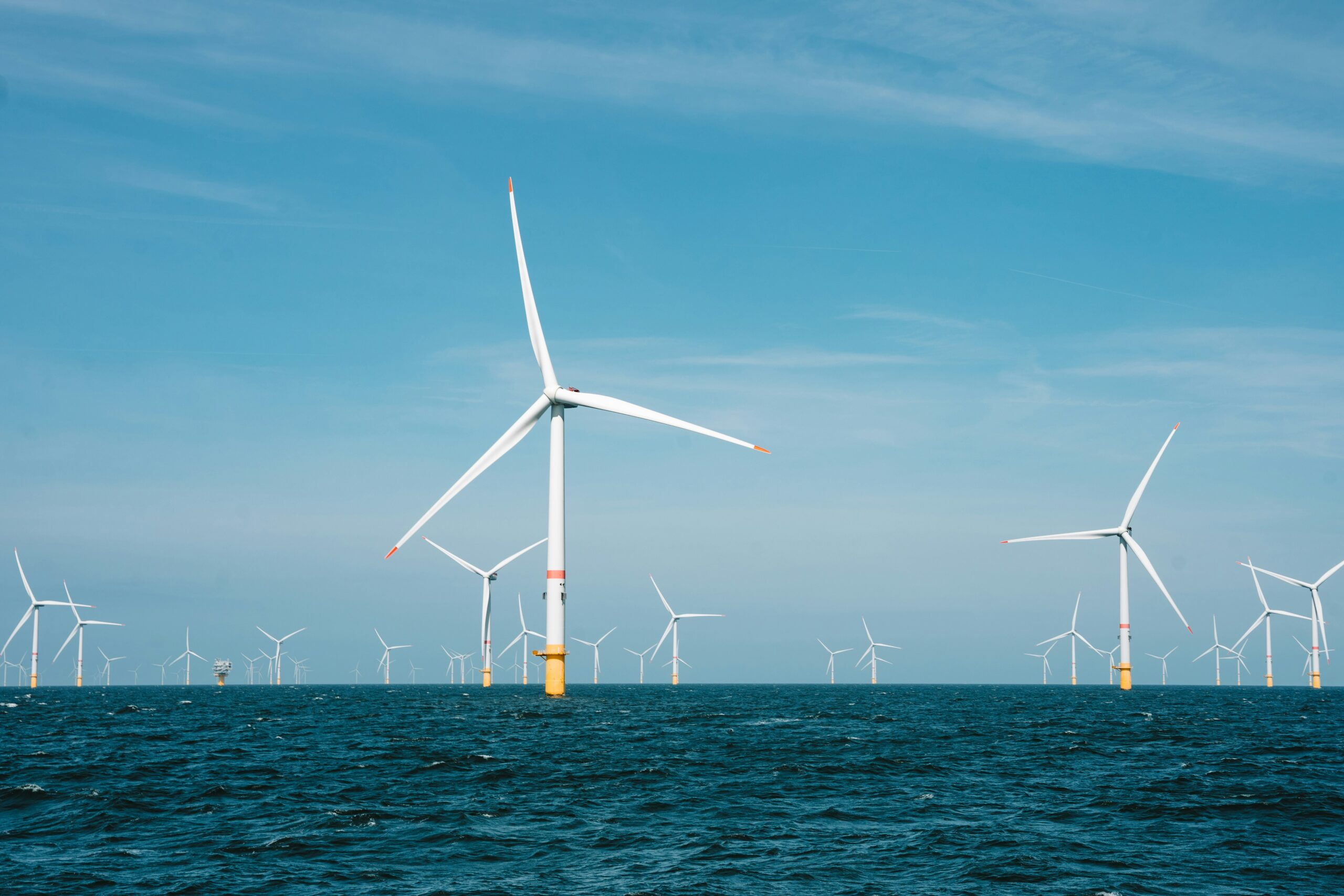
Arenko will optimise Ørsted’s 600MWh Iceni battery from 2027 onwards. The storage asset will share transmission infrastructure with the 2.9GW Hornsea 3 offshore wind farm, creating a demanding combined trading, controls, and grid-management environment.
-
India will let delayed renewable projects pay to retain connectivity. Developers gain limited extensions for land, finance, and commissioning milestones before transmission rights can be withdrawn.
-
Siemens Energy has installed its first lightweight offshore substation design. The HV-TSU concept integrates high-voltage components into a more compact topside at Yuetuo Island.
-
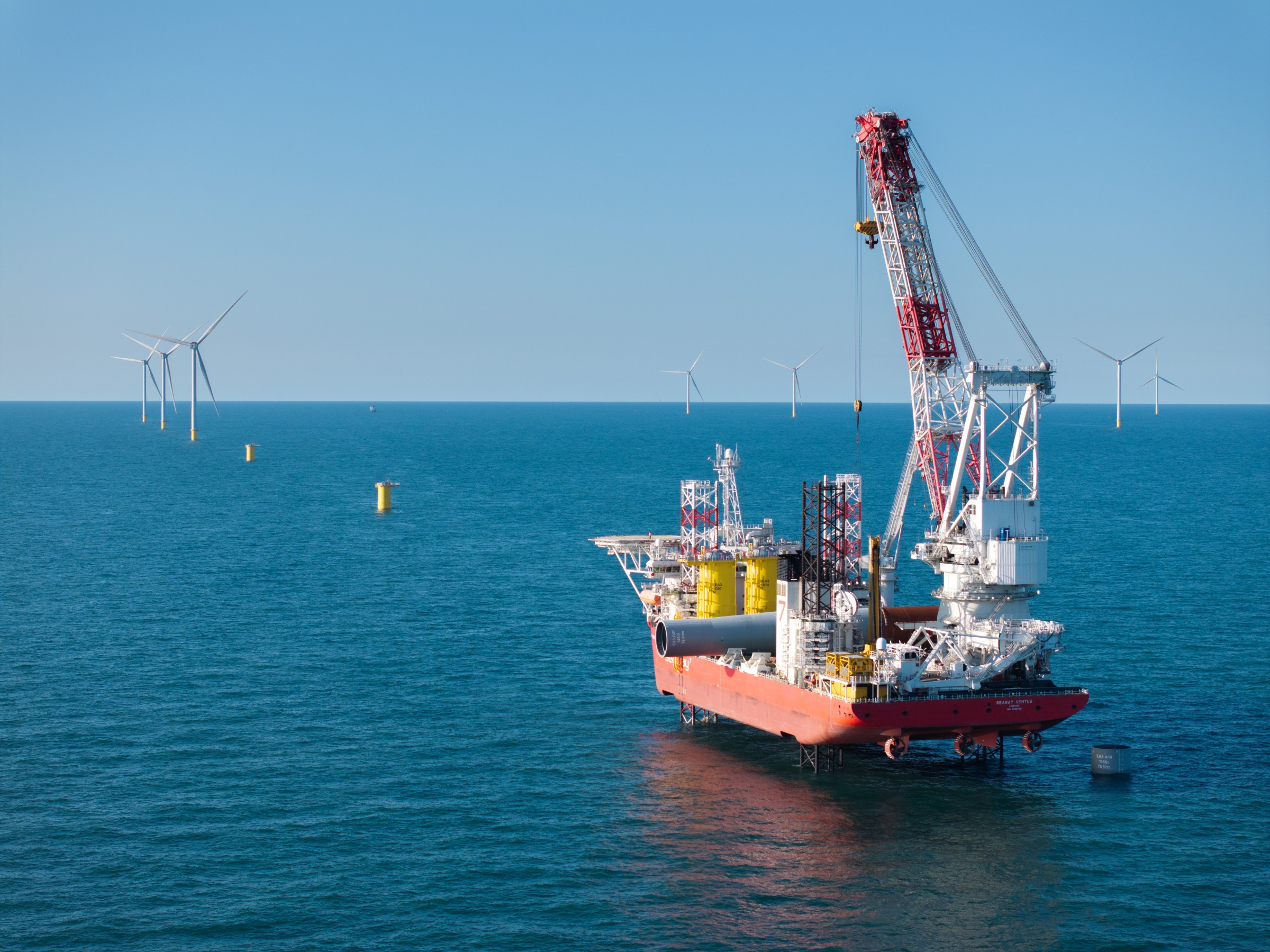
East Anglia THREE has completed installation of 95 offshore foundations. Turbine erection is already beyond halfway as the 1.4GW project targets full operation by year-end.
-
Norway is accelerating its review of floating offshore wind subsidies. The Utsira Nord assessment will now accompany October’s state budget, bringing scrutiny forward significantly.
-
Aukera has reached financial close on a 44MW German project. The Rhineland-Palatinate development spans four municipalities, advancing another financed solar asset in the company’s German portfolio.
-
Futureal and Aurinkokarhu plan three gigawatts of Finnish renewables capacity. The portfolio combines solar, battery storage, and hybrid developments, with around 1.1GW targeting ready-to-build status during 2026.
-
Germany’s offshore wind sector wants CfDs to become auction standard. BWO’s formal response also seeks indexation, a controlled award-return mechanism, and firmer treatment of project risk.
-
Ukraine has expanded renewable support while advancing EU market integration. A new Energy Community assessment also records a 1.5GW-plus generation tender and more than 200 electricity-market alignment measures.
-
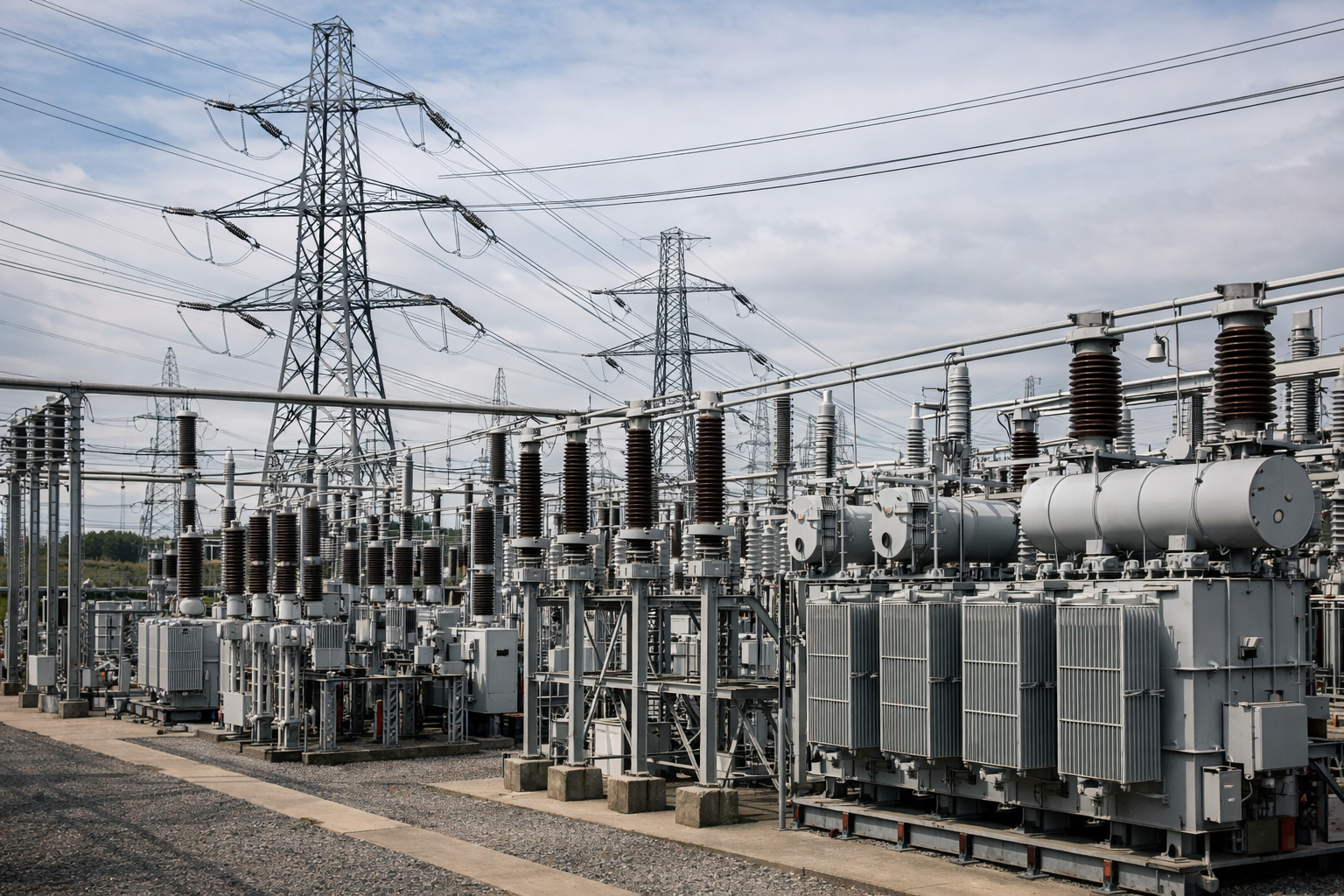
Electromontaj has completed Romania’s first two transmission-level STATCOM installations early. The ±150MVAr systems at Sibiu Sud and Bradu add dynamic voltage control as renewable penetration increases.