
IN Brief:
- Perth and Kinross Council has unanimously approved BLC Energy’s Binn Solar and BESS Farm.
- The project is designed for a 39MWp solar buildout and includes a 6MW battery energy storage system.
- The scheme will be developed by BLC Energy, backed by Octopus Renewable Infrastructure Trust.
BLC Energy has secured unanimous approval from Perth and Kinross Council for the Binn Solar and BESS Farm in Scotland.
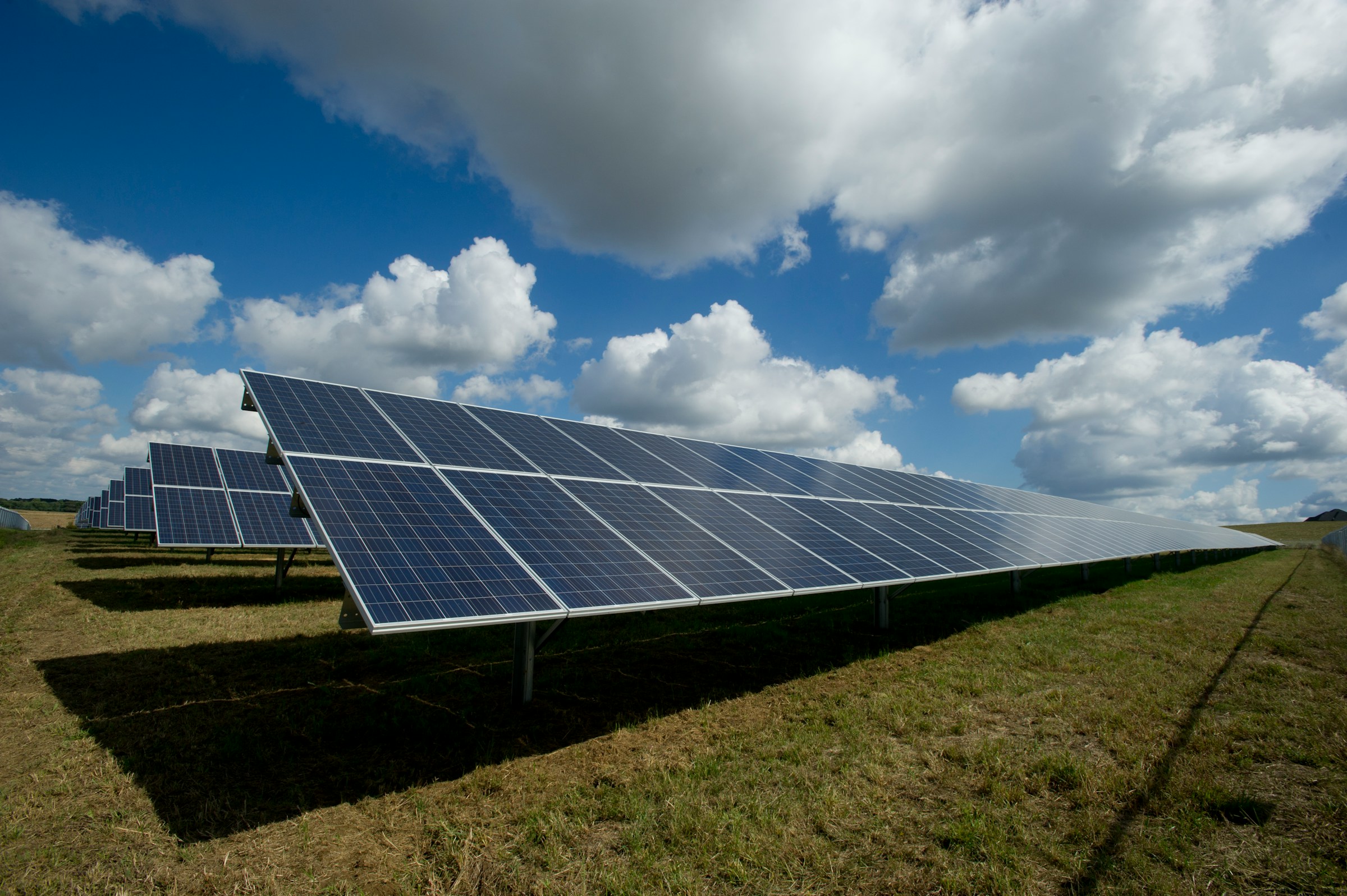
The project will comprise approximately 60,000 solar panels and a battery energy storage system. BLC Energy’s project information describes the scheme as producing up to 30MW of renewable energy, with a 39MWp buildout, supported by a 6MW battery system. The site is located around 4km northwest of Strathmiglo and 5km northeast of Glenfarg.
The scheme is being developed by BLC Energy, a Perthshire-based renewable energy development company backed by Octopus Renewable Infrastructure Trust. BLC Energy specialises in solar PV and co-located battery storage projects across the UK.
The approval adds another co-located solar and storage project to the UK pipeline. Combining PV with battery storage can improve how renewable output interacts with the grid by storing surplus generation and releasing electricity when network conditions or market prices are more favourable. It can also reduce export volatility compared with a solar-only project, although the effect depends on battery size, connection arrangements, and dispatch strategy.
The Binn project sits within a wider UK shift toward hybrid renewable design. Developers are increasingly pairing solar farms with batteries to improve revenue resilience and grid performance. The battery can support peak shifting, imbalance management, and potentially local flexibility services, while the solar array provides predictable daytime generation across much of the year.
Planning approval remains a critical stage for UK solar delivery. Projects must balance land use, visual impact, ecological design, grid connection feasibility, construction traffic, community engagement, and long-term site management. Local consent can be decisive even where technology costs and investor appetite are favourable.
BLC Energy has stated that the project design will include local community input and account for the local environment. The company’s earlier public consultation described the site as a solar farm and BESS proposal at Glentarkie, Perth and Kinross. The approved design now moves the project from planning into the delivery pipeline, subject to the remaining project development stages.
The co-located battery is comparatively modest against the solar buildout, but still relevant to network interaction. A 6MW battery cannot absorb the full output of a 39MWp solar array for long periods, but it can help manage short-duration peaks, provide additional operating flexibility, and support export smoothing depending on connection and control arrangements.
Medium-scale renewable assets continue to shape distributed generation growth. Large nationally significant projects attract most attention, but regional solar and storage schemes create demand for grid connections, inverters, transformers, switchgear, protection systems, metering, SCADA, civil works, and ongoing O&M services.
The consented 150MW Dean Moor Solar Farm in Cumbria and the withdrawn Wrexham solar and storage proposal show how varied UK project outcomes remain. Solar development is still progressing, although delivery depends on planning, grid access, project design, and local acceptance aligning.
Grid connection remains the central constraint for many schemes. A project can secure planning approval yet still face timing and cost uncertainty if grid access is delayed or reinforcement requirements change. Co-located storage can improve how projects use available capacity, but it does not remove the need for a viable connection.
The Binn approval therefore adds capacity to the pipeline while showing the amount of work required behind each local renewable scheme. Solar panels and batteries are the visible assets. Beneath them sit connection studies, protection settings, transformer design, inverter selection, cable routes, access tracks, drainage, habitat measures, monitoring systems, and operational controls.
The project will now move through the remaining development, construction, connection, and commissioning stages. Its contribution will be measured through delivery as much as consent, particularly as the UK’s distributed generation base becomes more dependent on solar-storage schemes that can operate within constrained local networks.

