IN Brief:
- Cape Town has concluded two 20-year solar PPAs totalling 70MW under a procurement programme targeting up to 200MW.
- JEMPEC will provide 30MW from Atlantis, while Make A Difference LLC will supply 40MW from Philippi.
- The City says contract pricing is 19–21% below current Eskom rates and will escalate with CPI.
The City of Cape Town has signed its first power purchase agreements with independent electricity producers, contracting 70MW of solar generation through two 20-year deals connected directly to the municipal distribution network.
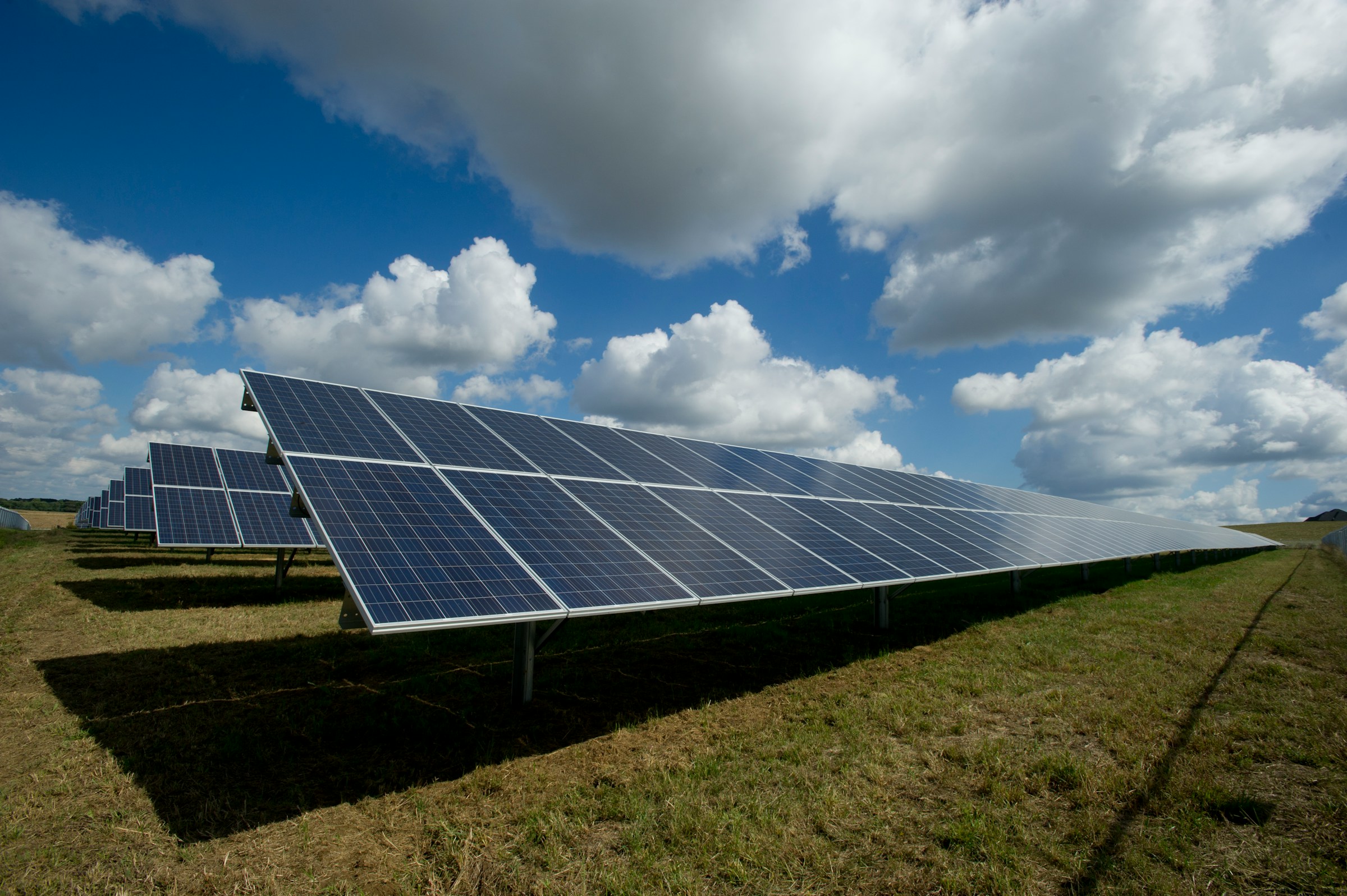
The contracts represent the first completed tranche of a competitive procurement programme targeting up to 200MW. JEMPEC will supply 30MW from a solar plant connected to the City’s network in Atlantis, while Make A Difference LLC will provide a further 40MW from a plant in Philippi.
Cape Town says electricity purchased through the agreements will cost between 19% and 21% less than power bought at current Eskom rates. Contract prices will escalate with the Consumer Price Index rather than following Eskom tariff increases, giving the municipality a different long-term cost structure for part of its electricity supply.
The City expects to buy approximately R8 billion of electricity through the two contracts over their operating lives. Further agreements are planned under the wider 200MW tender, while Cape Town’s longer-term procurement programme envisages purchasing up to 700MW from independent generators.
The change is significant for the way the municipal network is supplied. South African municipalities have traditionally relied heavily on bulk electricity purchased from Eskom and redistributed through local networks. Direct contracting with independent generators introduces another source of power and gives the municipality greater control over the commercial terms applying to part of its supply portfolio.
That commercial diversification still depends on the physical network. Both solar plants will connect to Cape Town’s distribution system, so their output has to be accommodated within infrastructure historically designed largely around electricity flowing from bulk supply points towards customers.
Embedded generation changes those operating conditions. Power flows can become less predictable and less unidirectional, while protection settings, voltage control, metering, communications, forecasting, and network planning have to account for generation appearing at additional points across the system.
Solar output also varies through the day. A 70MW contracted portfolio does not provide 70MW continuously, and the municipality must balance the resulting production profile against customer demand, other generation, storage, Eskom purchases, and the operating constraints of its own network.
The two PPAs do not include a disclosed battery component, leaving their immediate contribution centred on daytime solar production. That puts greater emphasis on forecasting and portfolio management if the City is to capture the expected energy-cost benefit without merely shifting balancing requirements elsewhere.
Cape Town is already operating a more diverse electricity model than a conventional municipal distributor. The City allows power to be wheeled across its network between generators and customers and says more than 1,700MWh has been traded through that mechanism since 2024.
Qualifying residents and businesses can also sell surplus rooftop solar electricity back to the municipal system. Since June 2024, participating customers have supplied approximately 150GWh of excess generation, with around R67 million returned through bill credits and cash payments.
Those smaller generators create a different engineering problem from the two new utility-scale PPAs, but the network consequence is related. Distribution operators increasingly have to manage electricity entering the system from multiple locations and voltage levels rather than controlling a largely one-way flow from upstream supply points.
The City has also completed its own renewable generation and storage project at Atlantis, combining 7MW of photovoltaic capacity with a 10MWh battery. Storage gives the municipality a limited ability to separate the timing of generation and consumption, although its contribution depends on inverter power, state of charge, energy duration, losses, and the services for which it is being dispatched.
As independent generation expands, those flexibility requirements are likely to become more important. Strong solar production can coincide across multiple sites, increasing local export into the distribution network at the same time as demand is relatively weak. Later in the day, generation falls while residential and commercial demand can remain high.
That does not mean every solar project requires a co-located battery. It does mean network planners have to consider the combined output of utility-scale plants, commercial installations, residential systems, and future generation rather than assessing each connection as if it were operating alone.
The economics of the new PPAs also extend beyond the headline comparison with current Eskom prices. Over a 20-year contract, value will depend on actual plant output, availability, network losses, settlement arrangements, inflation, Eskom tariff movements, and the cost of balancing intermittent generation within the wider supply portfolio.
Long-term contracts have to allocate those risks clearly. Plant performance, grid access, metering, payment, price escalation, force majeure, under-delivery, and changes in law can all affect a PPA well after the initial tariff has been agreed.
For the generators, bankability will depend partly on the credit quality of the municipal buyer and the durability of the contract structure. For Cape Town, the engineering test is whether the projects connect and operate without creating network costs that erode part of the expected procurement saving.
The municipality is also widening the range of generation technologies it is prepared to buy. A separate procurement programme is seeking waste-to-energy independent producers capable of supplying at least 5MW under contracts lasting up to 20 years, subject to price, emissions, and technical requirements.
That approach puts competition on price alongside security of supply and lower-carbon generation. Cape Town has explicitly required those projects to offer electricity below the equivalent Eskom tariff, rather than assuming that a new technology deserves a premium simply because it diversifies the supply mix.
The solar contracts are expected to carry an emissions benefit as well. The City estimates that the two projects will avoid nearly two million tonnes of carbon emissions over their contract terms, creating carbon-credit value that could potentially be reinvested in infrastructure.
The more immediate power-system effect is simpler: 70MW of independently contracted generation is moving from procurement into signed long-term supply. That gives developers a basis for financing and delivery while giving Cape Town a defined commercial route to electricity produced inside its own municipal network area.
Further contracts under the 200MW programme will increase both the benefit and the engineering complexity. Each additional generator introduces another connection, production profile, protection interface, metering arrangement, and commercial settlement stream that has to operate inside the same distribution system.
Cape Town’s procurement programme is therefore moving beyond the policy question of whether a municipality should buy power independently. The first 70MW is now contracted; the next challenge is connecting and operating it while distribution engineering, control, metering, and network investment keep pace with a supply portfolio becoming steadily less dependent on a single upstream provider.