IN Brief:
- Parapet has installed 46 battery units and 23 containerised medium-voltage transformer stations at the Scornicești site.
- The 127 MW/254 MWh facility includes a planned 400/33 kV substation and will connect to Romania's transmission network.
- Grid connection is targeted for late 2026 or early 2027, with GEN-I contracted to optimise the battery's commercial operation.
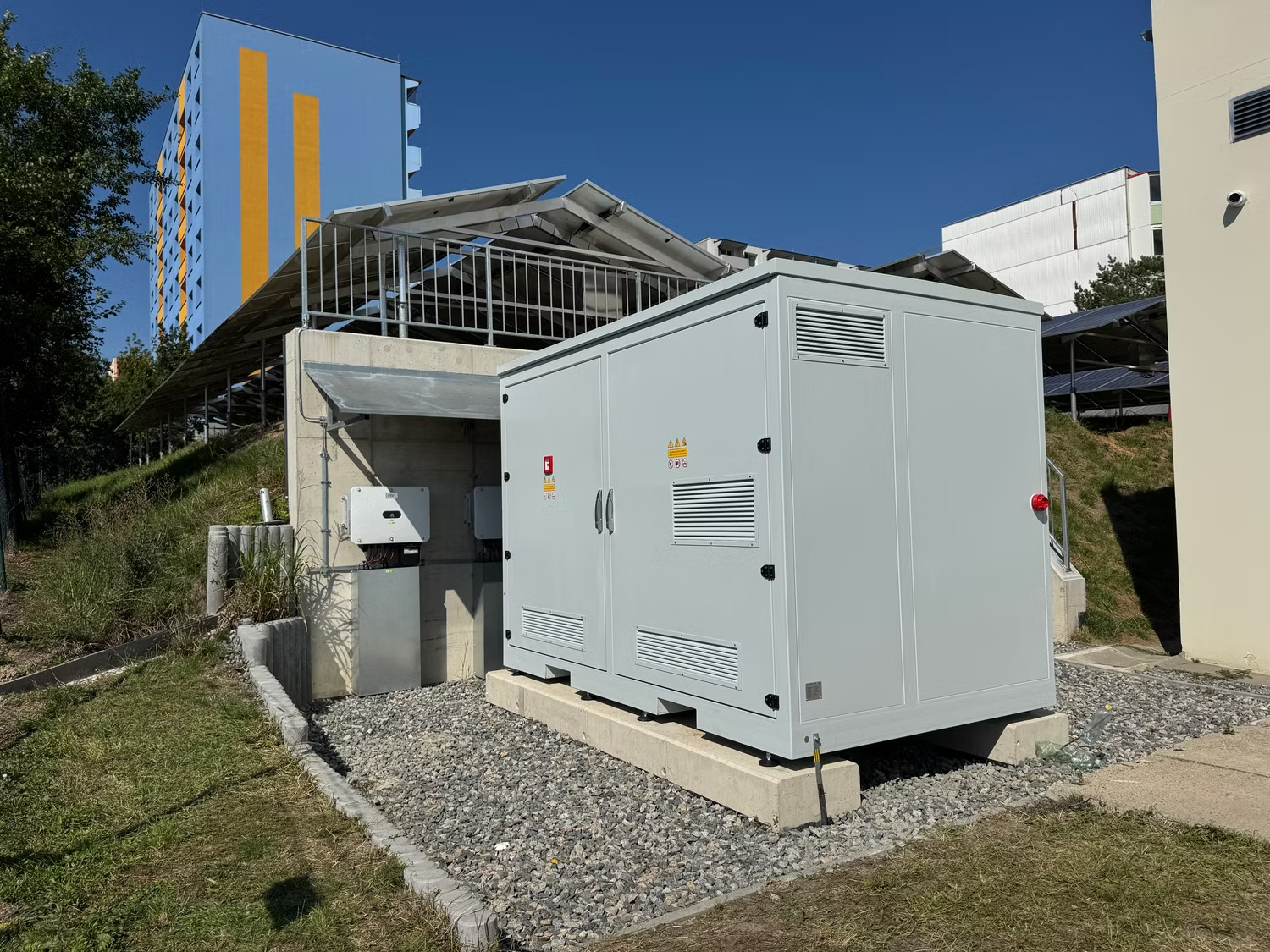
R.Power has completed the installation of all 46 battery units and 23 containerised medium-voltage transformer stations at its Scornicești energy storage project in Romania. The 127 MW/254 MWh development, built by EPC contractor Parapet with R.Power’s internal project team, has entered the final phase of construction ahead of its planned connection to the national transmission system.
Construction began in spring 2026 at the site in Olt County. Foundations and the main battery and transformer units were installed over the following months, bringing the project to an advanced physical completion stage. Electrical installation, system integration and commissioning remain necessary before the facility can enter service, with grid connection anticipated in late 2026 or early 2027.
The facility has a nominal power rating of 127 MW and an energy storage capacity of 254 MWh. At the rated power, the nominal energy capacity corresponds to approximately two hours of discharge. Usable duration during actual operation depends on state of charge, losses, equipment availability and the minimum and maximum operating limits imposed by the battery supplier.
The installed battery units contain cells that store electrical energy and release it as direct current. Power conversion equipment regulates charging and discharging and provides alternating-current output for the electricity system. The associated transformer stations adjust voltage for the internal electrical collection network and the eventual interface with the high-voltage transmission network.
Connecting the site directly to Transelectrica’s national transmission system requires more extensive electrical infrastructure than a connection to a conventional local distribution feeder. The planned scheme includes a high-voltage substation and underground cable infrastructure, with the final connection facilities providing the route for electrical imports and exports under the transmission operator’s conditions.
European Bank for Reconstruction and Development project records identify a 400/33 kV substation and approximately 2.6 kilometres of 35 kV underground cable among the associated works. The design documentation uses different voltage descriptions for parts of the collection and connection equipment, so individual ratings should be read in their specified context rather than treated as interchangeable measurements.
Protection and control systems must coordinate the battery installation, electrical conversion equipment, transformers and transmission connection. Commissioning will involve verifying switching sequences, fault isolation, metering and the controls used to respond to dispatch instructions, while the connection operator must establish that the new installation satisfies its applicable technical requirements.
The grid interface permits electricity to flow into the battery when it charges and back towards the wider network when it discharges. Network operating limits govern both directions. A battery can change active power quickly, but its ability to sustain output depends on stored energy and on the system’s thermal and electrical limits.
Battery storage can participate in electricity balancing and ancillary service markets, depending on the technical qualification of the asset and prevailing market rules. Storage assets may also shift electricity between periods of different prices. These activities require controls that coordinate commercial dispatch with the battery’s available energy and the conditions of its grid connection.
R.Power has entered a five-year optimisation arrangement with regional electricity trader GEN-I. The optimisation partner will manage market participation according to the agreed commercial structure, while the installation must still meet technical limits and maintain sufficient operating capacity for the services it provides.
The project has been financed with support from the European Bank for Reconstruction and Development, which announced up to €44 million of financing backed in part by InvestEU risk-sharing arrangements. Public project information places the total investment at approximately €67 million, reflecting spending on the wider storage and connection programme.
The development is held through a Romanian project company ultimately owned 50.01% by R.Power and 49.99% by Eiffel Investment Group. That ownership structure separates the asset from the parent companies’ other generating and storage projects and establishes the basis for its project financing and operating arrangements.
An installation at this scale creates several distinct maintenance requirements. Battery cell and module condition, cooling, power electronics, medium-voltage equipment and the transmission connection all influence availability. Monitoring data can guide fault identification and the scheduling of service work, with equipment operation subject to the procedures established during commissioning.
Storage also requires careful management of the amount of energy retained in the battery. Discharging continuously at full power reduces stored energy, while charging replenishes it within the available import capacity. Dispatch decisions must account for the anticipated operating period and any commitments to provide balancing services.
Romania’s growing renewable generation portfolio increases demand for equipment capable of responding to variation in production and electricity consumption. A transmission-connected battery can absorb or deliver power within its technical limits, but the availability and duration of its response depend on its charging history, operating condition and market instructions.
The installation of the main battery units and transformer stations gives the Scornicești project a substantial physical construction milestone. The remaining programme will determine when those components can work together as an accepted and energised storage facility. R.Power’s stated connection window remains late 2026 to early 2027.