IN Brief:
- ONDE received notification on 30 October that its offers were selected for two Polish battery storage projects.
- The PLN129.8m net scope is balance-of-system work and excludes battery technology and high-voltage transformers.
- Formal agreements are expected in the fourth quarter of 2026; project ratings and commissioning dates remain undisclosed.
ONDE has been selected for construction packages at two battery energy storage facilities in Poland, with combined bid values of PLN129.8m excluding VAT. The Toruń-based contractor was informed of the selections on 30 October following a private procurement process conducted by a Polish special purpose company within a renewable energy investor’s group. The decisions establish preferred offers for the work, while contracts are expected to be signed during the final quarter of 2026.
The selected offers cover balance-of-system, or BoS, construction, with battery storage technology and the high-voltage transformer explicitly excluded. Those equipment exclusions separate the infrastructure package from the principal storage units and voltage transformation equipment. ONDE’s selection therefore concerns the engineering and construction work specified in the offers, with contractual commitments still to be finalised. The client is a Polish special purpose company belonging to a renewable energy investor group, which is managing the private purchasing procedure for the two projects.
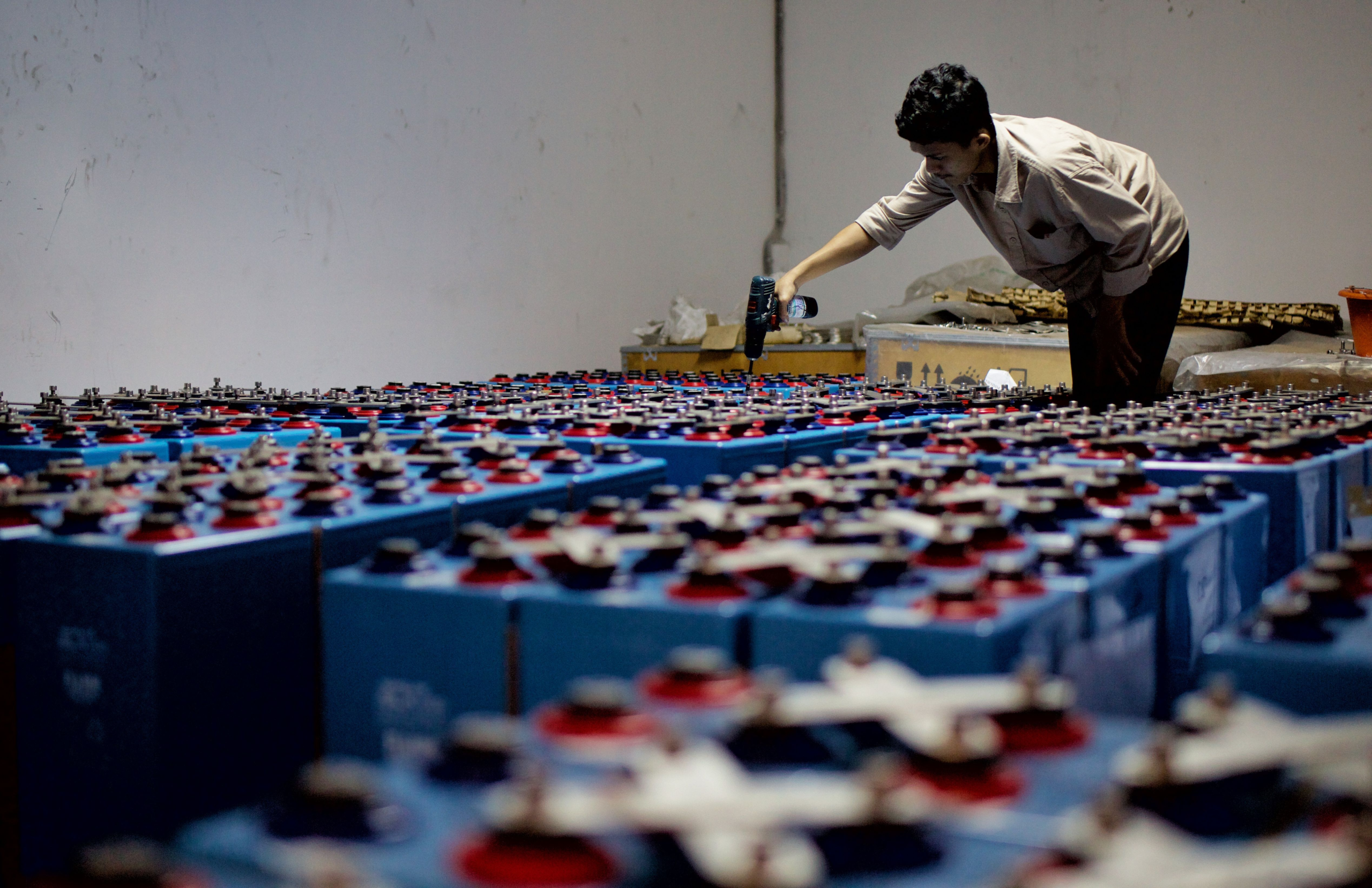
A battery installation brings together electrical storage equipment, civil works, network interfaces, and operating controls. BoS contractors commonly prepare foundations and access arrangements, install electrical collection and auxiliary infrastructure, and support the interfaces needed for testing and commissioning. The scope of each element depends on the signed contract and design documentation. ONDE’s filing defines the package as comprehensive BoS works but does not itemise the particular construction tasks assigned to each of the two developments.
Excluding the battery technology makes coordination with the storage equipment supplier a central design interface. Enclosure dimensions, connection voltages, cable terminations, cooling and fire-safety provisions, and monitoring signals all affect the surrounding works. The contractor must construct against agreed equipment information as those specifications are finalised. Cable routes and connection arrangements also have to accommodate the plant’s rated electrical output and the protection settings agreed for the network interface. The selected offers establish the general division of responsibility before the individual suppliers are identified.
The high-voltage transformer is also excluded from the two packages. At a grid-connected battery, voltage transformation is generally needed between the storage plant’s internal electrical system and the connection point specified by the network operator. Foundations, cable interfaces, earthing, switchgear, and protection coordination must align across that boundary. Procurement of the transformer may sit with another party while other installation tasks remain within the BoS contract; the executed agreements will determine exactly where those responsibilities meet on each project.
The investor conducted the selection through a private procurement procedure rather than a publicly disclosed grid tender. Both projects are in Poland, although their locations, electrical capacities, and storage durations have yet to be identified. Their eventual power rating in MW will determine the scale of instantaneous electrical output, while the energy content in MWh will govern the nominal duration for which that output can be sustained. Neither measure can be derived from the PLN129.8m construction offer, which excludes major equipment supply.
ONDE’s existing work in renewable energy construction includes wind, solar, and related electrical infrastructure, providing a delivery base for battery projects whose plant packages involve similar civil and grid connection disciplines. Storage adds interfaces with bidirectional power conversion and battery management systems. During operation, the installation needs to accept charging power and deliver electricity through the same grid connection under different system conditions, with controls and protective equipment configured for those operating modes.
The combined PLN129.8m represents the net value of the two selected BoS offers. It is a procurement figure, rather than the investment cost of both completed plants or revenue already earned by ONDE. The allocation between the two projects has not been published. Their total capital requirements will also include the battery and transformer equipment outside ONDE’s stated scope, alongside any other contracts arranged separately by the investor. Those commercial boundaries will be reflected in the contracts now expected to be signed.
Contract execution is planned for the fourth quarter of 2026. Once signed, the agreements will set out the binding work scope, obligations, and conditions governing construction delivery. Procurement and design coordination can then be aligned with the storage technology and transformer suppliers, especially where shared technical information is required before civil and electrical installation can proceed. ONDE has indicated that it will disclose contract signing through a separate current report.
The operating model for each battery will ultimately be set by the project’s owner and the applicable connection and market arrangements. Charging and discharging are managed by power conversion systems, with available discharge duration dependent on the relationship between stored energy and output power. Protective systems and site controls must also respond to faults and dispatch instructions. Those operating arrangements will shape commissioning tests once the projects reach construction, although the selected procurement offers deal with the physical delivery packages rather than a nominated trading strategy.
ONDE has secured selection of its two offers, worth PLN129.8m net, and expects to move to binding contracts before the end of 2026. The next documented step is execution of those agreements, which will establish delivery responsibilities alongside the battery technology and transformer packages. The projects can then move through detailed coordination, site construction, electrical installation, and commissioning under the timetable agreed with the investor.