IN Brief:
- The 350MW/1,243MWh first phase of Hams Hall has entered commercial operation after a 20-day period following energisation.
- The battery sits beside National Grid’s Hams Hall substation and is supported by a 10-year EDF optimisation and revenue-floor arrangement.
- A planned second phase will increase total site capacity to 400MW/1,424MWh.
BW ESS has started commercial operation of the first phase of its Hams Hall battery energy storage system in North Warwickshire, bringing 350MW of output and 1,243MWh of storage online next to National Grid’s Hams Hall substation. The milestone was reached during the final week of October and confirmed on 2 November, 20 days after the project was energised. It establishes a new operational stage for a project that had secured financing and electricity-market arrangements ahead of commissioning.
Rated energy capacity and power determine different aspects of battery operation. The 350MW figure is the maximum stated charge or discharge power, while 1,243MWh describes the amount of stored energy at the project’s rated capacity. At continuous full discharge power, dividing those figures gives a nominal duration of about 3.55 hours. Actual delivery depends on allowable operating state of charge, conversion losses, temperature, and reserve requirements, so the rated figures do not represent an unconditional dispatch commitment.
The development is designed to support the balance between electricity generation and demand, including periods when wind and solar output differ from consumption. Charging absorbs power from the network, while discharging returns electricity through power conversion equipment when instructed by its operating system and commercial optimiser. As with other transmission-connected batteries, the site’s available services depend on its state of charge, grid conditions, and the operational rules for the markets in which it participates.
A 20-day period separated the first energisation of the electrical installation from commercial service. During the transition from connection to operation, a large battery must bring the power conversion systems, protection, site controls, and grid-facing interfaces into an accepted operating configuration. BW ESS identified Sungrow, Energy-IO, National Grid, and the National Energy System Operator among the partners supporting the commissioning and handover. The short interval marks the newly achieved delivery milestone, rather than another financing or construction decision.
Sungrow supplied the battery technology, with liquid-cooled PowerTitan equipment used at the development. Liquid cooling helps manage cell temperature through repeated charging and discharging, while battery management systems monitor operating conditions and protect the cells within prescribed limits. The site-level control system coordinates this equipment with the power conversion system and network interface. Such coordination is needed to follow dispatch instructions within the battery’s changing state of charge and available electrical capacity.
A second construction phase is planned to add 50MW and 181MWh, taking the complete Hams Hall site to 400MW/1,424MWh. The new commercial-operation milestone applies to the initial phase only. At the eventual full rating, BW ESS estimates that the battery could provide energy equivalent to the electricity needs of approximately 1.3 million homes for up to three and a half hours. The comparison describes a calculated delivery amount, not a dedicated household supply connection or a guarantee of continuous full output.
Commercial revenue arrangements were put in place before operation. A 10-year floor and optimisation agreement with EDF gives the electricity company a role in dispatching the project and provides an agreed minimum revenue structure. The floor addresses part of the commercial risk associated with changing market prices and system-service demand, while the optimiser selects opportunities to charge, discharge, and provide network flexibility within the battery’s physical and contractual constraints.
The earlier financing package was arranged with OCBC, Rabobank, and Société Générale, each taking an equal share of the debt facility. EDF’s optimisation agreement and the financing arrangements helped establish the project’s commercial basis before it could participate in electricity markets. Following completion of the initial commissioning programme, the plant can now deliver contracted or market-based services within the grid and battery operating rules, connecting those earlier arrangements with an operating physical asset.
Hams Hall belongs to BW ESS’s 2.6GWh Ardenham portfolio, co-owned with AIP Management. Its existing UK operational fleet also includes the 331MWh Bramley battery in Hampshire, while a further 857MWh project at Berkswell is under construction. Those storage volumes relate to separate developments at different stages. Hams Hall’s first phase contributes 1,243MWh to the operating fleet; capacity belonging to the planned second phase or another site is not part of that initial commercial rating.
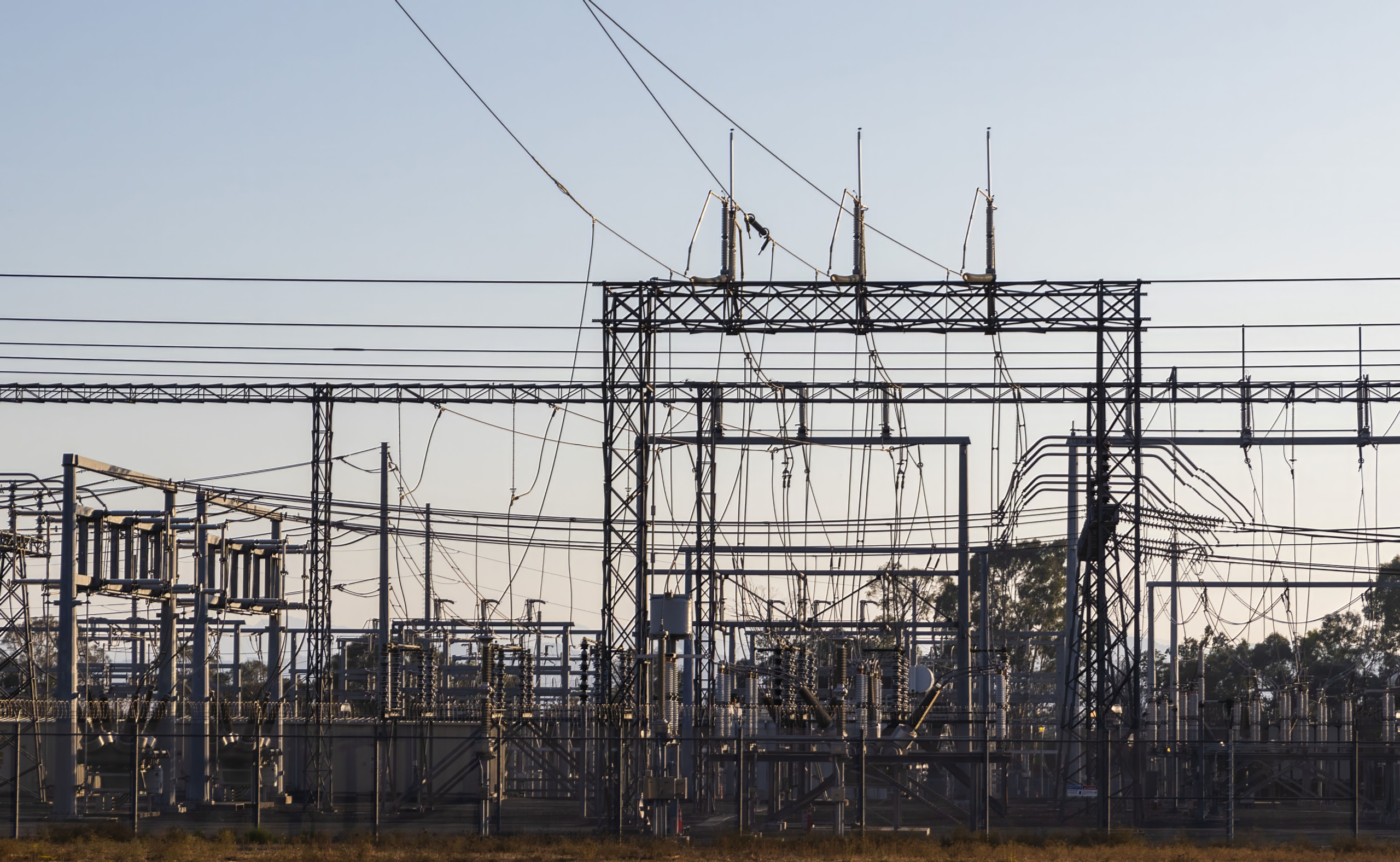
The location beside Hams Hall’s high-voltage substation places the storage installation close to established transmission infrastructure and to demand centres around Birmingham. Grid proximity can shorten the physical connection route, although delivery of balancing and flexibility services still depends on the relevant connection capacity, dispatch rules, and system requirements. Operation of the BESS does not by itself mean it will always run at rated output; energy availability changes continuously as the plant charges and discharges.
The operating first phase can now respond to dispatch opportunities subject to grid instructions, contracted arrangements, and its available stored energy. Proximity to National Grid’s 400kV Hams Hall substation provides the physical interface for importing charging power and exporting discharged electricity. Construction and commissioning of the additional 50MW/181MWh phase will determine when the site reaches its full planned 400MW/1,424MWh rating.