IN Brief:
- ENA and BEAMA are launching their Electricity Networks Sector Growth Plan on 20 October 2026, after an interim report published in December 2025.
- The plan addresses skills from apprenticeships to senior engineering roles, regional employment and economic opportunities, and confidence for UK manufacturing investment.
- The industry plan proposes steps to support factory and skills investment; its regional economic and employment forecasts depend on delivery of future network projects.
The Energy Networks Association (ENA) and BEAMA are launching an Electricity Networks Sector Growth Plan on 20 October 2026, outlining how the UK’s planned grid upgrades could support skilled jobs, domestic manufacturing and regional economic activity through 2035. The ten-year programme brings network companies and their equipment and service suppliers into a common assessment of future demand. It connects proposed employment and investment benefits to the delivery of electricity infrastructure, rather than presenting the benefits as already secured.
The plan was developed with input from the UK, Scottish and Welsh governments, Ofgem, employers and trade unions. It maps workforce requirements from apprenticeships and technical trades through engineering and senior roles and considers the distribution of jobs and economic activity from the north of Scotland to south-west England. These are projections linked to future electricity-network investment, not records of positions already filled or spending already undertaken. The employment estimates will depend on the scale, timing and location of projects that progress to delivery.
In December 2025, ENA and BEAMA published an interim report describing likely demand for transformers, switchgear, cables, converters, substations and protection and control technology. The full growth plan develops that early work into proposed actions on industrial capability, recruitment and equipment procurement. The change is from identifying a potential opportunity to recommending how network and supplier organisations can plan for delivery. Individual network projects will nevertheless require their own approvals, procurement and construction programmes.
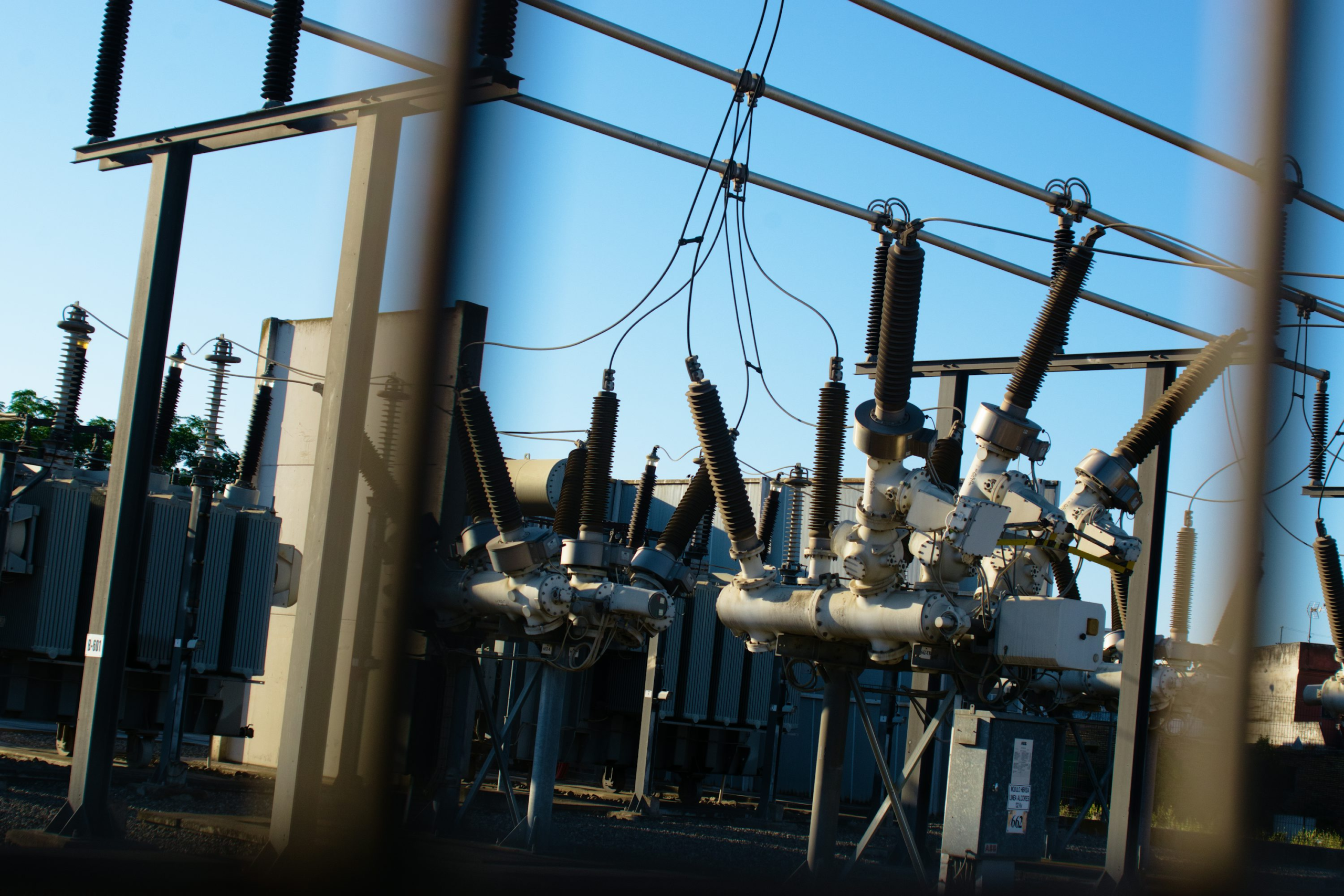
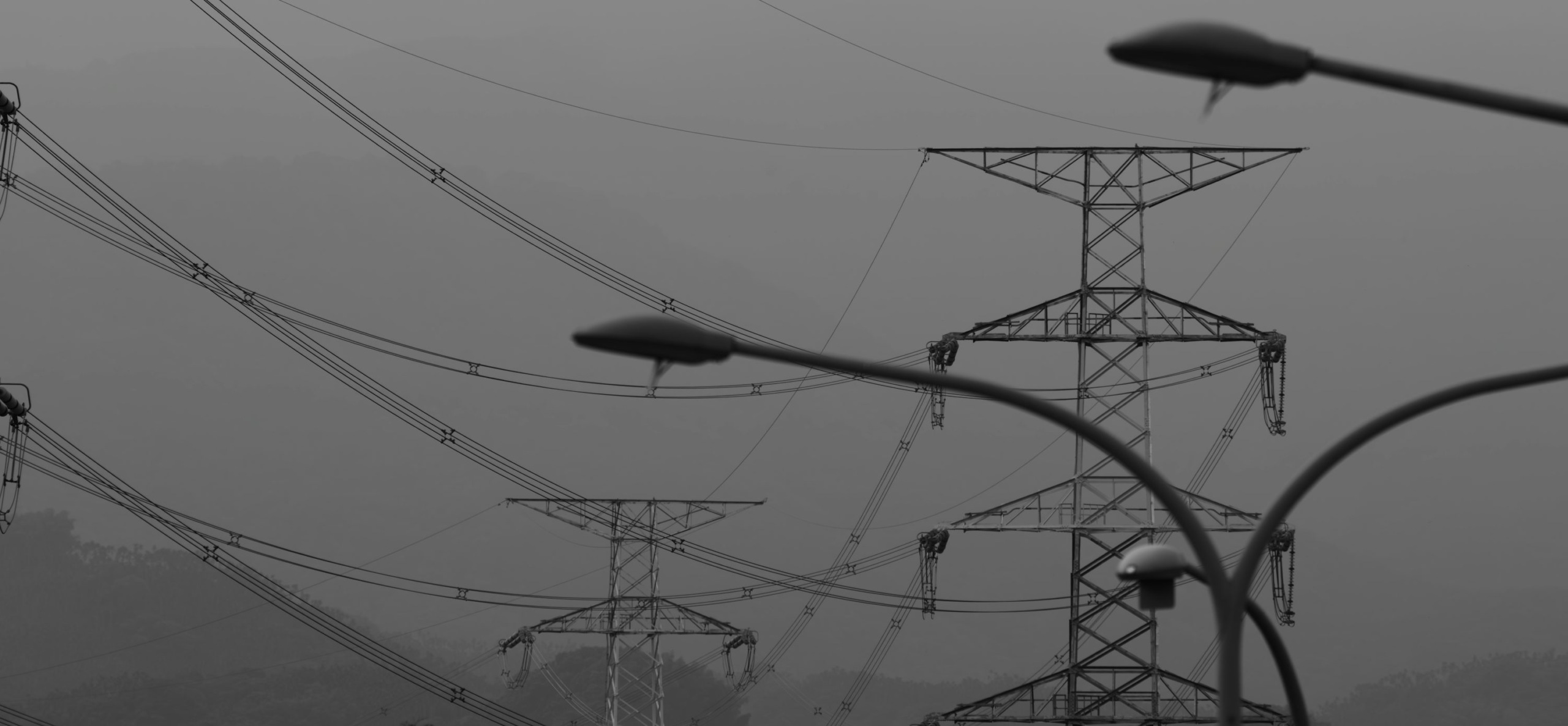
Transmission and distribution projects create different but overlapping engineering demands. New transmission corridors depend on design, permissions, transformers, towers, overhead and underground conductors, substations, protection equipment and commissioning teams. Distribution networks need local reinforcement, replacement assets and new connections at lower voltage levels, while also accommodating distributed generation and changing electricity demand. Large projects can share a constrained pool of specialist manufacturers, skilled contractors, test facilities and installation resources, so each programme’s timetable affects suppliers beyond its immediate geographic location.
Manufacturers of high-voltage cables, transformers and protection equipment must decide whether anticipated orders justify new production lines, specialist test facilities and technical training. Expanding output can take years, particularly when factory machinery and quality-assurance processes have to be commissioned before products are accepted for use on live networks. A clearer sequence of network projects may support earlier investment, but a project forecast is not a purchase order and a stated pipeline is not a guarantee of full utilisation. Those distinctions determine whether the plan can translate prospective procurement into lasting domestic capacity.
Workforce requirements also follow the delivery cycle. Network planners and power-system specialists define what needs to be built; procurement teams order long-lead equipment; electrical contractors, cable technicians and civil engineers install it; and commissioning personnel test protection, controls and energisation arrangements. Training and accreditation can take longer than the procurement timetable for an individual asset. A coordinated view of projects through 2035 could help employers and education providers plan recruitment earlier, although numbers in a skills forecast are not evidence that those positions have been filled.
Jobs and economic activity connected with a grid scheme can be spread across several regions. A converter or transformer may be manufactured in one region, installed in another and supported by engineers elsewhere. Construction work may last for a defined project phase while operating and maintenance employment persists over a longer period. Direct jobs within network owners, employment at contractors and wider indirect economic effects are different measures and should not be combined without consistent definitions. The plan’s regional breakdown is intended to identify where such activity could arise as network programmes advance.
The relationship between transmission and distribution also imposes a delivery constraint. Additional generating capacity connected to the high-voltage network does not automatically resolve bottlenecks closer to customers, and local reinforcements do not substitute for strategic corridors capable of transferring bulk power. Equipment procurement must therefore be coordinated with network studies, regulatory allowances and the commissioning of related assets. Investment in one part of the system can provide less operational benefit if adjacent cables, transformers or switching facilities are delayed.
Participation by network businesses, manufacturers, unions, governments and Ofgem can expose mismatches between equipment demand, industrial capacity and the availability of qualified staff. That involvement does not amount to regulatory approval of all proposed spending or endorsement of every action within the plan. Network owners still need to demonstrate why investment is required and how it will be delivered efficiently, while manufacturers must weigh the prospect of work against the cost of expanding factories and their technical workforce. The practical outcome will depend on turning longer-term project visibility into orders, training and capacity.
The plan’s proposed route to 2035 rests on delivering grid projects and building the supplier capability needed to support them. ENA and BEAMA say the programme sets out steps intended to give UK manufacturers and service providers greater certainty to invest in premises, equipment and skills. The practical result will depend on regulatory decisions, project approvals, procurement commitments, productive capacity and the availability of staff qualified to construct and operate the resulting networks. Forecast employment and economic benefits remain contingent until these investments and jobs materialise.