IN Brief:
- Mitie has secured contracts with Elgin to connect three UK solar PV farms to local networks and the National Grid.
- G2 Energy will deliver design, HV cabling, substations, transformers, switchgear, protection, and control systems.
- The projects are expected to generate around 90 million kWh of electricity each year.
Mitie has secured contracts with Elgin to deliver grid connections for three solar PV farms across the UK, covering two 33kV local electricity network connections and one 132kV National Grid connection.
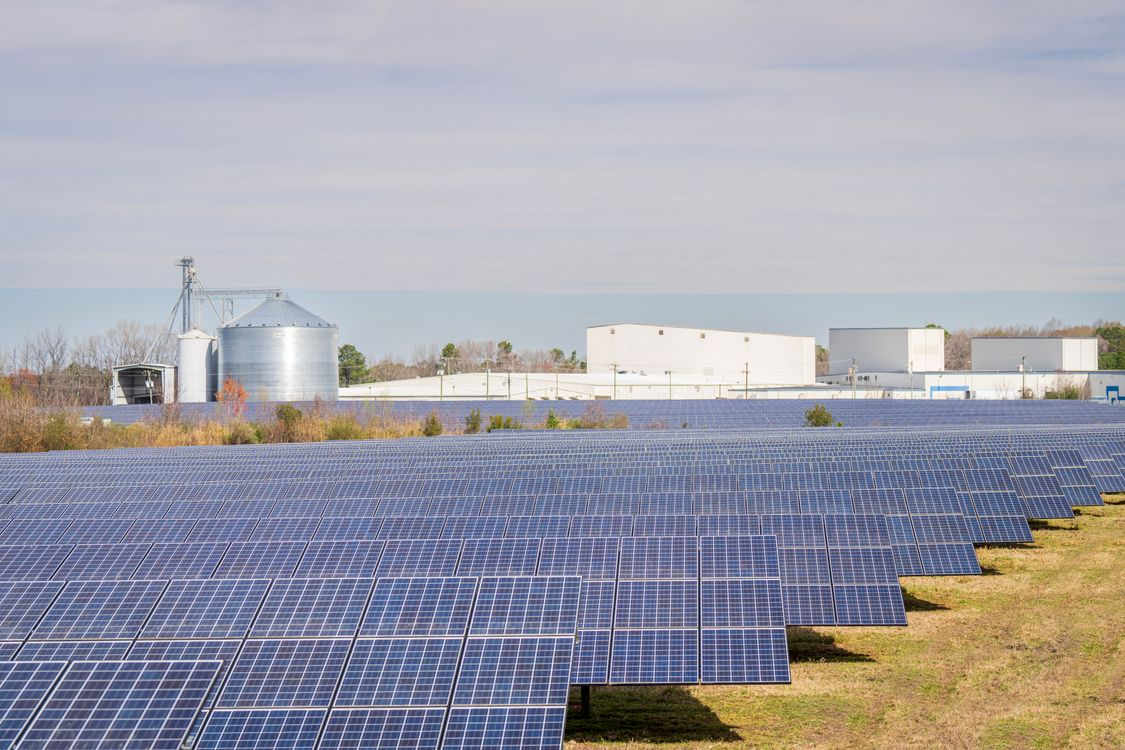
The projects cover Maes Mawr in South Wales, Aston Flamville in Leicestershire, and Thorpe Estate in Staffordshire. Combined, the sites are expected to generate around 90 million kWh of electricity each year, enough to power more than 33,000 homes.
G2 Energy, Mitie’s independent connection provider, will be responsible for end-to-end grid connection at all three sites. The scope includes design, high-voltage cabling, substation construction, transformer installation, switchgear, protection, and control systems.
At Aston Flamville, the company will install a dual 33kV cable to the overhead network, while Maes Mawr will receive a new 33kV grid connection with modern protection and control systems. At Thorpe Estate, Mitie will deliver high-voltage infrastructure for the 61.9MW solar farm, including a 132kV connection into existing overhead transmission lines.
Solar capacity is often discussed in megawatts, but delivery depends on the electrical infrastructure that allows generation to export reliably and safely. High-voltage design, compliant protection settings, transformer procurement, switchgear integration, outage planning, civil works, testing, commissioning, and network-operator coordination all sit behind the visible generation asset.
Grid connections have become one of the main constraints on UK clean energy delivery. The project pipeline has been slowed by queue congestion, speculative applications, reinforcement delays, and mismatches between project readiness and available network capacity.
The reformed connections process is beginning to push projects towards readiness and strategic alignment, with NESO issuing the first major batch of Gate 2 grid offers under the new approach. That reform improves the administrative route through the queue, but physical delivery still depends on contractors, equipment availability, and network access.
The Thorpe Estate project illustrates the step change between local distribution connections and direct transmission interface work. A 132kV connection brings higher fault levels, more stringent protection coordination, greater operational scrutiny, and closer integration with national system requirements.
Maes Mawr and Aston Flamville show the continuing importance of 33kV networks for renewable integration. Distribution-connected solar must operate within local voltage limits, thermal ratings, protection regimes, and export constraints, especially on networks originally designed around one-way flows from higher-voltage supply points to local demand.
Modern protection and control systems are increasingly important as distribution networks absorb more generation. Export control, supervisory control and data acquisition, grid-code compliance, communications, and metering now sit alongside conventional cabling, transformers, and switchgear as core parts of renewable connection delivery.
Transmission and distribution networks are also being reinforced to manage changing power flows and voltage behaviour. Substation shunt reactor upgrades have shown how voltage control equipment is being added to maintain stability as generation patterns change.
The three Elgin projects show the practical infrastructure load behind the UK’s solar buildout. Renewable deployment depends not only on consented land and generation equipment, but also on high-voltage engineering capacity, robust protection design, and coordinated delivery between developers, ICPs, DNOs, and transmission operators.