IN Brief:
- British Solar Renewables has secured approval for a 29MW project.
- The decision overturns Basingstoke and Deane Borough Council’s refusal.
- Renewable-energy and biodiversity benefits outweighed identified landscape harm.
British Solar Renewables has secured planning permission on appeal for the 29MW Lower Wyke Solar Park near Basingstoke, overturning an earlier refusal by Basingstoke and Deane Borough Council.
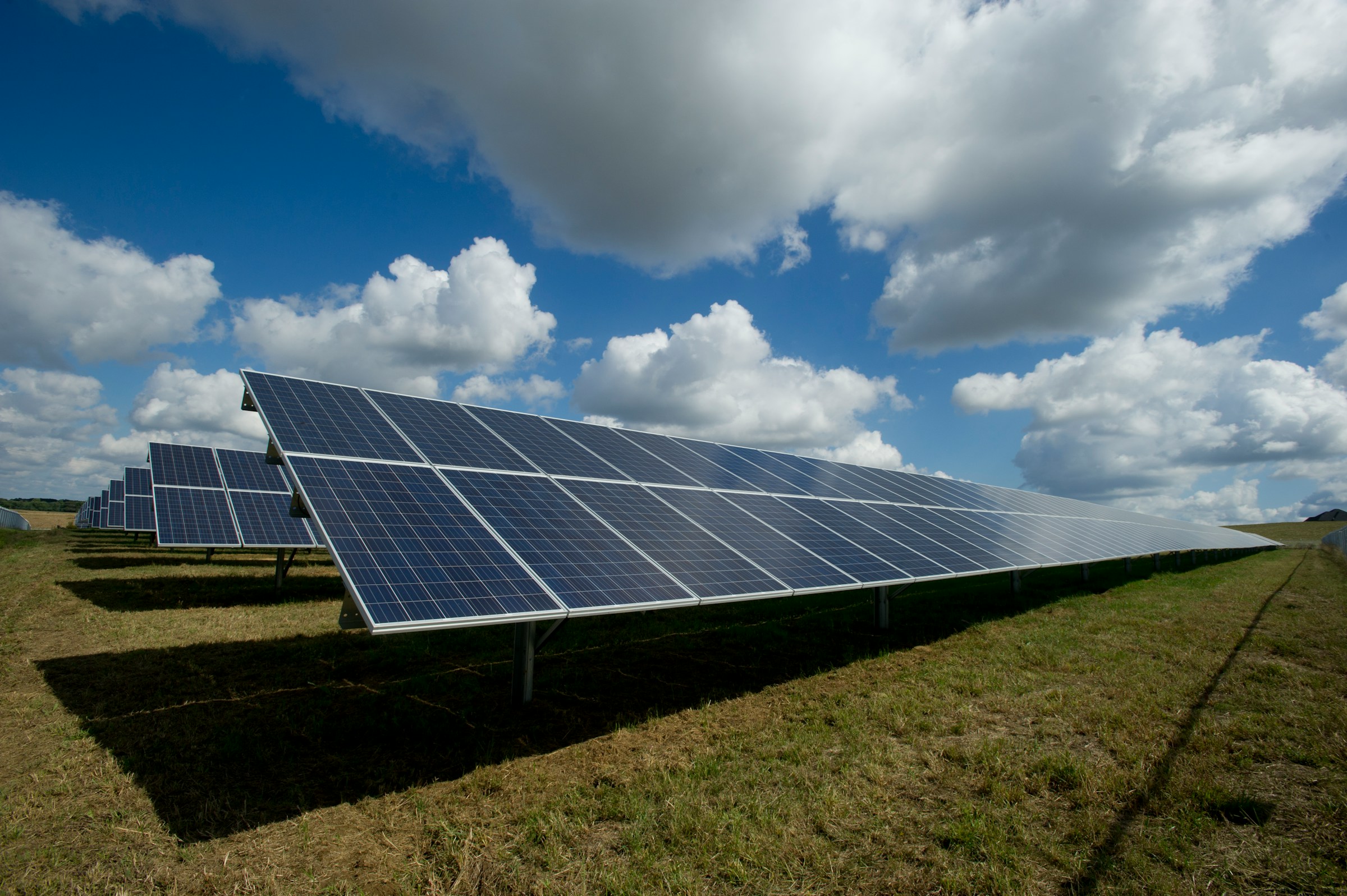
Covering approximately 86 acres, the development will include ground-mounted photovoltaic arrays, associated electrical infrastructure, access routes, fencing, landscaping, and ecological measures. The project is expected to deliver a 217% biodiversity net gain through habitat and hedgerow improvements.
The council refused the application in June 2025 despite a recommendation for approval from planning officers, with the decision centred on the effect of the scheme on landscape character and visual amenity.
Following a planning hearing in May 2026, the Planning Inspector accepted that the development would cause some landscape and visual harm. Renewable-energy generation, biodiversity enhancement, and wider public benefits were nevertheless judged to outweigh those effects.
The decision was considered under the revised National Planning Policy Framework published in 2024, which gives increased weight to the environmental benefits of renewable and low-carbon energy. Local impact must still be assessed, although the balance applied to generation benefits has shifted.
Planning decisions shape the deliverable pipeline
Once consent, finance, land rights, and grid arrangements are in place, solar projects can generally move through procurement and construction more quickly than many other forms of generation. Planning uncertainty can nonetheless hold technically mature schemes in development for several years.
Lower Wyke demonstrates the distinction between identified harm and unacceptable harm. Ground-mounted arrays alter the appearance and use of open land, but planning decisions must assess whether layout, screening, habitat work, and renewable output make the effect acceptable in the specific location.
Biodiversity net gain is becoming more prominent in solar design, with habitat creation, hedgerow reinforcement, grassland management, and ecological monitoring increasingly incorporated into development plans. Those commitments require long-term management rather than remaining calculations produced during planning.
The stated 217% gain is considerably above the statutory minimum applied to many developments. Delivery will depend on baseline surveys, agreed habitat conditions, management plans, and monitoring over the required period.
Consent for the Plas Power solar and storage project in Wrexham has already moved another sizeable scheme from planning into detailed electrical and construction preparation.
Consent is one stage of delivery
Lower Wyke will require detailed electrical design before energisation, including DC collection, inverters, transformers, switchgear, protection, metering, communications, supervisory control, earthing, and auxiliary supplies.
The grid connection will determine how the plant interfaces with the wider network. Export limits, reinforcement obligations, curtailment arrangements, and connection dates must align with financing and construction, particularly where several projects are competing for capacity in the same area.
Module and inverter selection will need to account for long-term performance, warranty terms, voltage architecture, environmental conditions, and replacement strategy. Procurement choices influence cable quantities, transformer ratings, protection settings, and the final site layout.
Construction across 86 acres will require coordinated civil and electrical programmes. Access roads, drainage, foundations, cable trenches, fencing, planting, and ecological protection must progress in a sequence that allows installation without breaching planning conditions.
Once the plant is operating, vegetation and habitat management will continue alongside electrical maintenance. Module inspection, inverter servicing, switchgear testing, transformer maintenance, drainage, security, and earthing checks must be integrated with the environmental management plan.
The appeal decision moves Lower Wyke towards detailed delivery, but its final contribution will depend on connection, procurement, construction, and long-term operation. It also provides another example of how national renewable policy is being applied where local landscape concerns remain unresolved at committee level.