IN Brief:
- Lidl GB will invest £10m this financial year, including around 100 new rapid chargers at existing stores.
- Around one third of its British stores currently provide rapid charging after £25m of investment since 2017.
- Rapid chargers will also be installed at the majority of new stores as Lidl expands its estate.
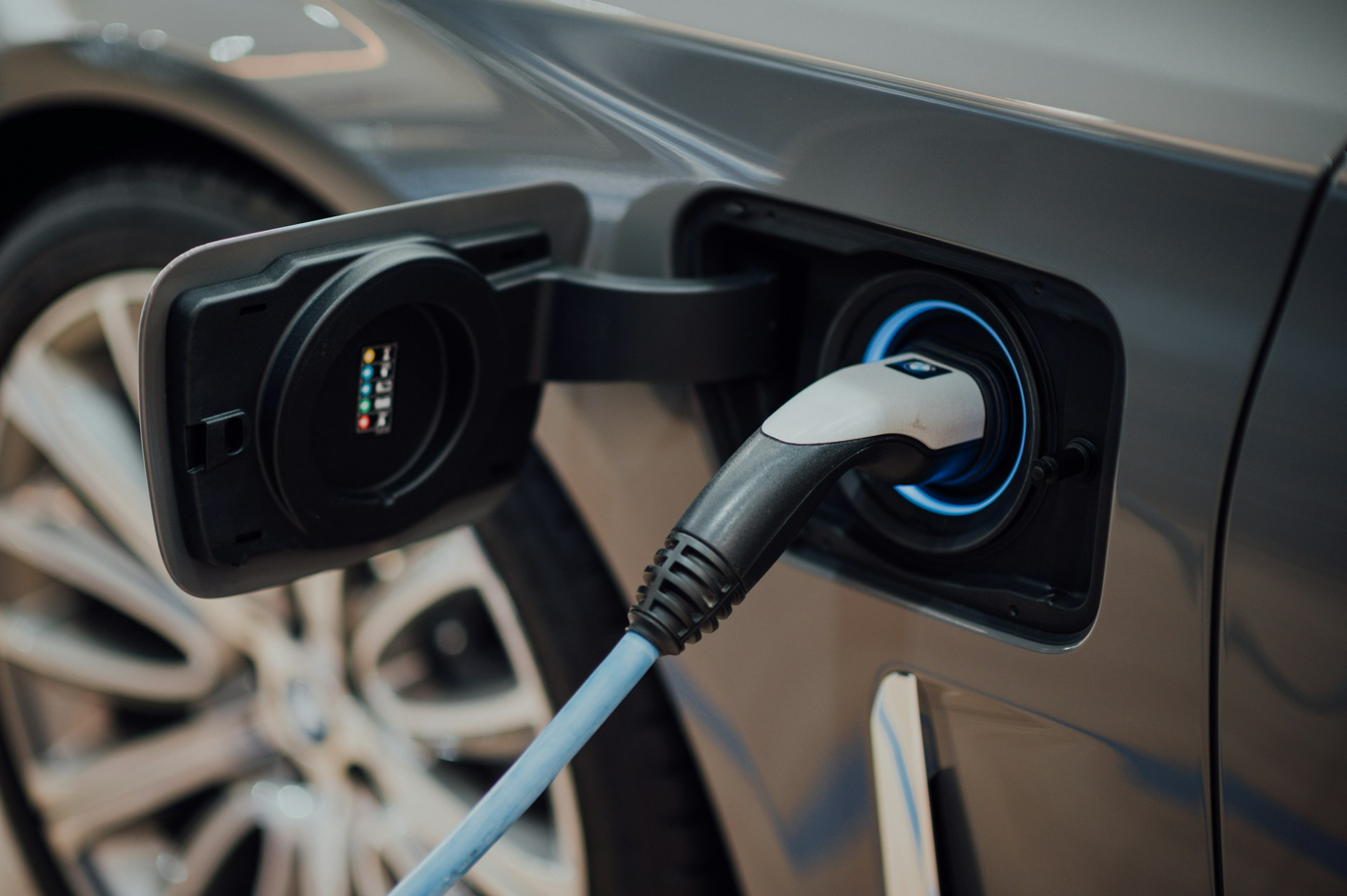
Lidl GB is investing £10 million in its electric-vehicle charging network during the current financial year, including around 100 new rapid chargers at existing stores and installations at the majority of newly built locations.
The programme is aimed particularly at stores that do not currently offer charging. It accompanies a reduction in the rapid-charging tariff available through Lidl Plus from 62p/kWh to 59p/kWh, while the standard rapid-charging tariff outside the app is 74p/kWh.
Lidl says it has invested £25 million in its charging network since 2017 and that around one third of its Great Britain stores currently provide rapid charging. The latest commitment therefore expands an established infrastructure estate rather than introducing charging to the business for the first time.
The retailer also owns its chargepoints rather than relying principally on third-party operators. That gives Lidl direct control over where equipment is installed, how the assets are funded, and how the charging service is integrated with store operations and its loyalty platform.
Its wider estate makes that an increasingly material electrical programme. Lidl operates more than 1,010 stores across Great Britain and announced in April that it intended to open more than 50 additional stores within 12 months as part of more than £600 million of British infrastructure investment.
Rapid charging will be installed at the majority of those new stores, allowing electrical capacity, cable routes, switchboards, civil works, and parking layouts to be considered during the base design rather than added after a site has opened. Existing stores present a less predictable engineering task because their incoming supplies and site layouts were often specified before large EV charging loads were expected.
A rapid-charging installation can create a substantial new demand alongside refrigeration, lighting, heating, ventilation, bakery equipment, and other store loads. The charger hardware may be straightforward to procure, but the usable capacity of the local distribution connection determines whether that equipment can operate at full rating without additional reinforcement.
Where sufficient headroom exists, an installation can be comparatively simple. Constrained sites may require a larger connection, transformer upgrades, new switchgear, protection changes, metering, cable works, or civil engineering before the chargers can be energised. Those requirements can vary sharply between stores that look similar commercially but sit on different parts of the distribution network.
Load management can reduce some of the connection requirement by controlling the aggregate demand of multiple chargers. Instead of assuming every unit operates at maximum output simultaneously, a site controller can share available capacity between vehicles while preserving priority for essential store loads.
The compromise is that charging speed may fall during periods of heavy use. Whether that matters depends on the customer dwell time, charger rating, number of bays, and available electrical capacity, which makes supermarket charging a different operational problem from motorway hubs where drivers expect a rapid energy stop rather than charging while they shop.
Lidl says its charging network supplied enough electricity during the past year to power 49.1 million miles of electric driving. That figure indicates that the existing estate is already seeing meaningful utilisation, even though the company has not disclosed the individual charger ratings, site list, or aggregate megawatt capacity covered by the latest programme.
The rollout also illustrates the relationship between commercial pricing and infrastructure utilisation. Lidl has cut its app-based tariff to 59p/kWh and says the change could save a typical user around £4.41 per session against the 80p/kWh market average used in its calculation. Lower prices may increase charger use, but they also make utilisation, electricity procurement, maintenance, and connection costs more important to the economics of each site.
Public charging demand is rising alongside the electric-car fleet. Lidl cites industry data showing more than 2.1 million fully electric cars on UK roads, while Department for Transport research referenced in the announcement found that 47% of EV drivers believed there were insufficient public chargepoints and 24% were dissatisfied with local availability.
Those statistics describe the customer problem, but the delivery constraint remains electrical. Public chargers have to appear in useful locations while local networks provide enough power at a cost and timetable that make the site viable. Retail car parks offer existing destinations and dwell time, yet they still compete with housing, heat pumps, commercial loads, and other new connections for distribution capacity.
New-build stores give Lidl a chance to plan for that demand from the outset. Retrofitting existing stores is more likely to expose the awkward parts of EV infrastructure delivery: excavation, wayleaves, switchboard modifications, transformer capacity, distribution-network applications, and construction work in a live customer environment.
The £10 million commitment therefore covers more than charger purchases. It is an estate-level electrical programme in which site selection, network capacity, power distribution, civil works, software control, maintenance, and customer pricing all have to align. Around 100 additional rapid chargers will make the network larger; the quality of the underlying connections will determine how effectively that new hardware can actually be used.