
IN Brief:
- Ingerslev Å will combine an operating solar plant with a 20MW/40MWh two-hour battery.
- Danske Commodities will act as balancing service provider while retaining its balance-responsible role.
- Co-location adds controllable capacity for energy shifting, wholesale optimisation, and ancillary services.
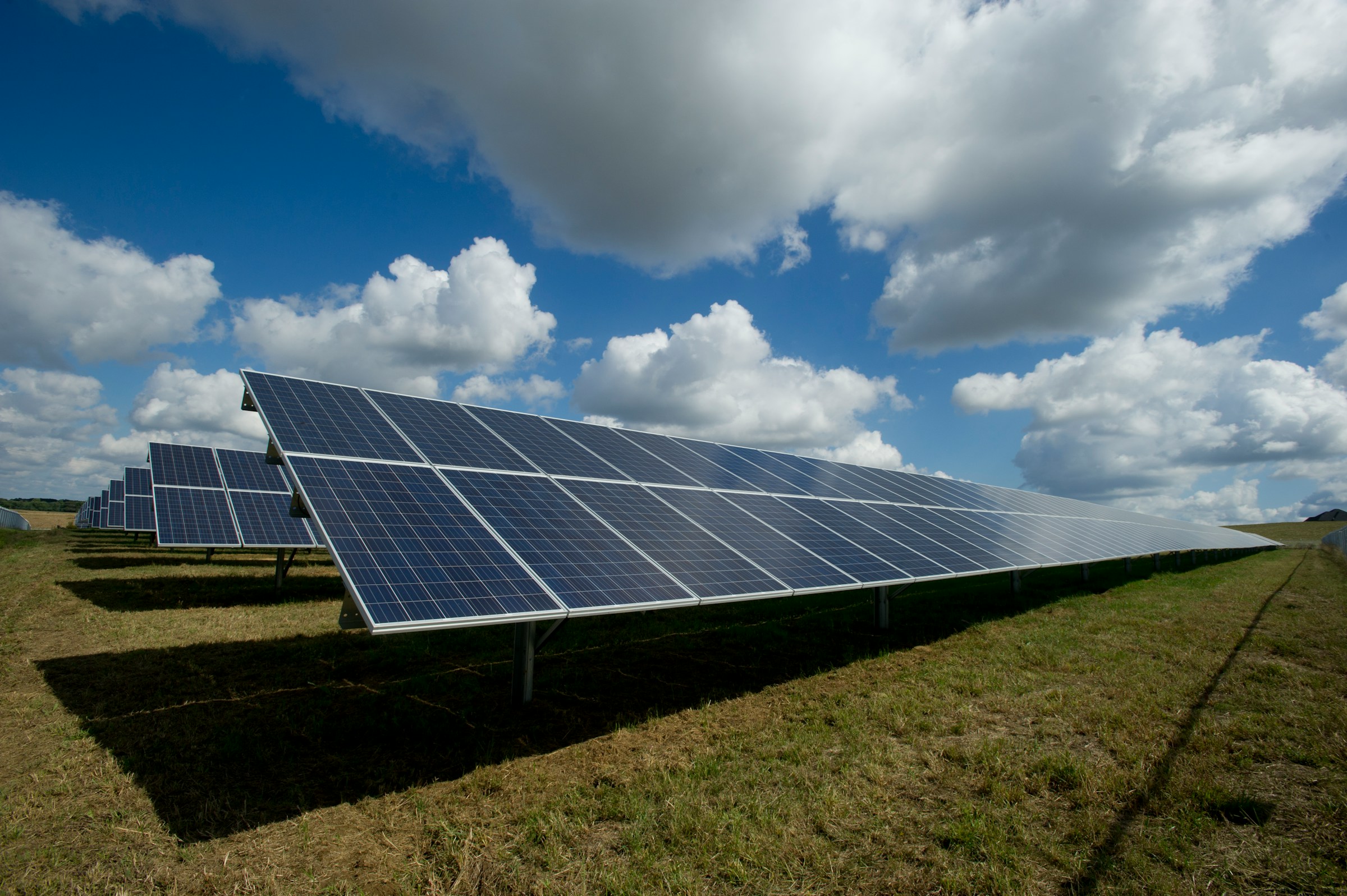
BeGreen is adding a 20MW/40MWh battery energy storage system to the operating Ingerslev Å solar park in Denmark, extending the site from a weather-dependent generator into a co-located flexibility asset. Danske Commodities will optimise the battery across wholesale and ancillary-service markets under an expanded agreement between the two companies.
Ingerslev Å is located in Norddjurs Municipality within Denmark’s DK1 bidding zone. The solar plant has operated since June 2025, and the battery will now be integrated with the existing site. Its two-hour duration will allow part of the available energy to be shifted between periods while also giving the plant access to services that require fast, controllable power response.
Danske Commodities already acts as balance responsible party for the solar park and will add the balancing service provider role for the battery. Those functions connect physical operation with market settlement: forecast and actual positions have to be managed commercially, while qualified flexible capacity can be made available to Energinet for system-balancing products.
A 40MWh battery can move energy between periods, but the 20MW power rating and fast power-electronic response are just as important. The system can change charging or discharging output rapidly, subject to prequalification, state of charge and the technical requirements of the product being supplied. That gives the asset a different role from the solar array even though both share the same site.
Co-location can also improve use of a constrained grid connection. Solar output is concentrated into daylight hours and often coincides with high production from other photovoltaic assets. Instead of exporting every available megawatt immediately, the plant can direct some energy into storage and release it later when the connection has headroom or market conditions are stronger.
The control problem is more complicated than shifting a block of midday electricity into the evening. Battery dispatch has to account for conversion losses, cell temperature, degradation, warranty limits, reserved capacity for balancing services and the possibility that the most valuable market opportunity changes during the day. The optimiser must continually choose between immediate export, charging, discharge and holding capacity in reserve.
Energinet has been preparing ancillary-service arrangements for a power system with a growing share of inverter-based renewable generation and fewer hours of conventional thermal operation. Batteries are well suited to short-duration response because they can move quickly in either direction, but their ability to support the system remains bounded by stored energy. A two-hour unit can provide substantial short-term flexibility without covering prolonged periods of low renewable output.
The project also illustrates how the economics of renewable generation are changing as subsidies recede and merchant exposure increases. A standalone solar park earns most of its revenue during the hours in which it produces. Storage creates the possibility of shifting some output into different price periods and accessing services that reward response capability rather than energy production alone.
That extra revenue is not free. Cycling consumes part of the battery’s usable life, energy is lost through conversion, and maintaining headroom for grid services can prevent the asset from exploiting a wholesale-price opportunity. The operating strategy must therefore optimise across revenue, efficiency, degradation and contractual availability rather than pursue a single market.
BeGreen and Danske Commodities are both owned by Equinor but operate as separate businesses. Their arrangement at Ingerslev Å combines development, generation and market optimisation within a common ownership group while keeping the trading and physical asset functions distinct. The model reflects a wider move towards pairing renewable portfolios with increasingly specialised route-to-market capability.
The 20MW/40MWh battery is modest beside the largest European storage projects, but its role is representative of the next phase of solar integration. Network capacity can take years to reinforce, while storage can be added to an existing site and used to alter when a generator imports or exports power. It does not create new transmission capacity, but it can reduce the number of hours in which the plant depends on immediate export.
Once commissioned and qualified for its intended markets, Ingerslev Å will operate as more than a solar farm with a battery parked beside it. The plant controller, market optimiser and grid interface will determine whether the storage system can turn 40MWh of energy capacity into useful flexibility without sacrificing the value of the generation asset it was built to support.

