IN Brief:
- Greenvolt Next will deliver EPC on Infinis’ 49.99 MW California Solar Park and 43.8 MW Gowerton Solar Park.
- Both UK schemes include co-located battery energy storage and are now in construction.
- The contract extends Greenvolt Next UK’s activity from distributed assets into larger EPC delivery.
Greenvolt Next UK has signed the engineering, procurement and construction contract for two Infinis solar projects in Britain, taking on delivery of the 49.99 MW California Solar Park in Stockton-on-Tees and the 43.8 MW Gowerton Solar Park in Swansea.
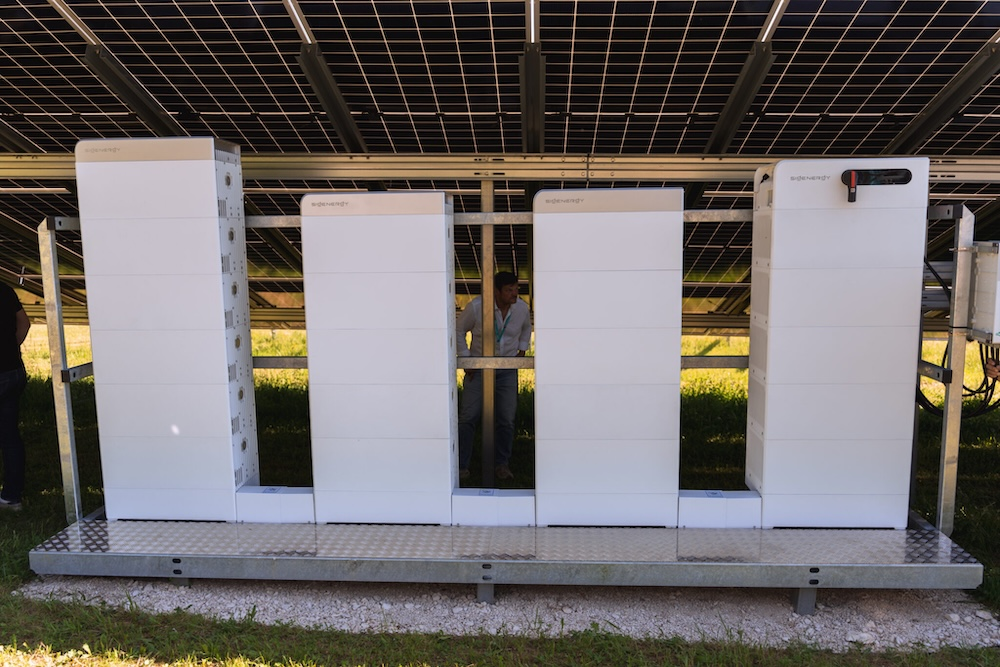
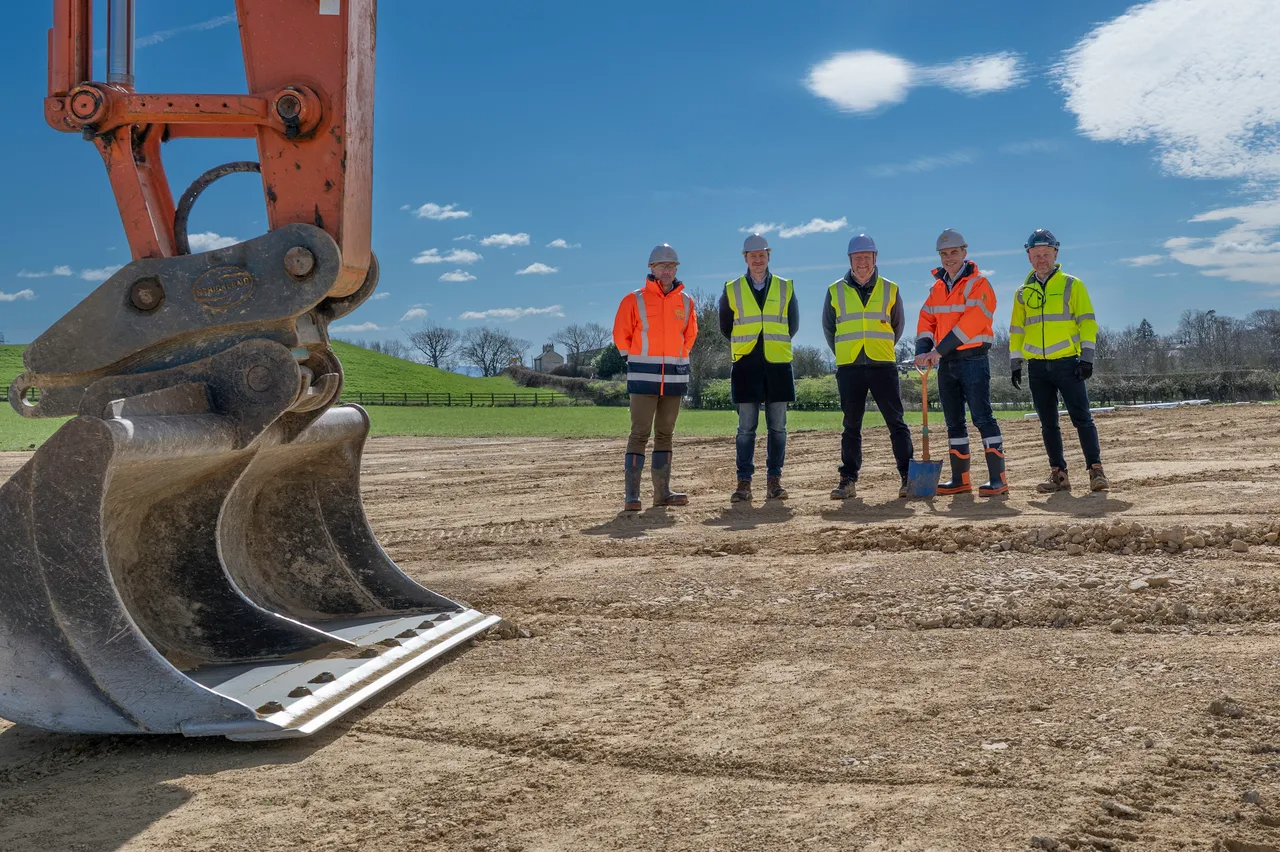
Construction at California began in March, with Gowerton following shortly afterwards. Both sites are due for completion in summer 2027, and both have been designed with co-located battery energy storage systems. Infinis will operate the assets once they enter service, adding two more hybrid plants to a market that has shifted decisively towards solar-plus-storage rather than stand-alone generation.
The pair of schemes were acquired by Infinis after securing planning consent, with California added in late 2024 and Gowerton around a year later. That sequence is increasingly familiar across the UK utility-scale market: development, planning, transfer, and then a build phase that places execution risk on engineering capability, procurement discipline, and grid-ready commissioning rather than on early-stage land assembly alone.
The contract is also notable for Greenvolt Next UK itself. The business entered the British market in 2025 with a focus on distributed assets, particularly behind-the-meter and commercial and industrial projects. This Infinis award pushes it further into EPC delivery at larger scale, where programme management, civils coordination, electrical balance-of-plant work, and battery integration become central to successful delivery.
The inclusion of battery storage at both sites points to how the profile of British solar development has changed. A utility-scale solar plant without storage can still be financeable and useful, but hybridisation is now moving steadily from optional enhancement to standard project architecture. Storage gives developers and operators greater scope to shape export profiles, manage periods of system stress, and build additional value into sites whose economics would once have rested almost entirely on daytime generation output.
That shift carries implications all the way through the supply chain. The physical work on solar schemes remains substantial, but the engineering mix is becoming more complex as battery enclosures, power conversion systems, protection, control, and software all sit alongside conventional plant and cabling packages. Delivery capability now depends as much on electrical integration and operational readiness as on module installation speed.
There is also a geographical point worth noting. Stockton-on-Tees and Swansea are not fringe additions to the UK energy map; they sit within industrial regions where electricity demand, network reinforcement, and long-term decarbonisation all remain active issues. Projects of this kind are therefore not just generation assets. They are part of a broader reshaping of the power system in which new solar capacity is increasingly built with flexibility designed in from the start.
If both sites remain on programme through 2026 and into 2027, the result will be two substantial hybrid plants delivered under a contract structure that says as much about the maturity of the UK solar market as it does about the projects themselves. The story is no longer simply that more solar is being built. It is that it is being built differently.