IN Brief:
- The Secretary of State granted a Development Consent Order for Elements Green Trent’s Great North Road Solar and Biodiversity Park on 27 October.
- Project plans describe a 440MW/880MWh battery and an electricity connection permitting import and export of up to 800MW.
- The developer is preparing to discharge consent conditions before construction; project output and commissioning dates are not yet verified operating results.
Elements Green has secured development consent for Great North Road Solar and Biodiversity Park, a proposed photovoltaic and battery storage development north-west of Newark-on-Trent in Nottinghamshire. The Secretary of State granted the Development Consent Order on 27 October to project company Elements Green Trent Limited. The approval establishes a statutory basis for progressing the project subject to its consent requirements; site construction and electricity export have not begun as a result of the decision.
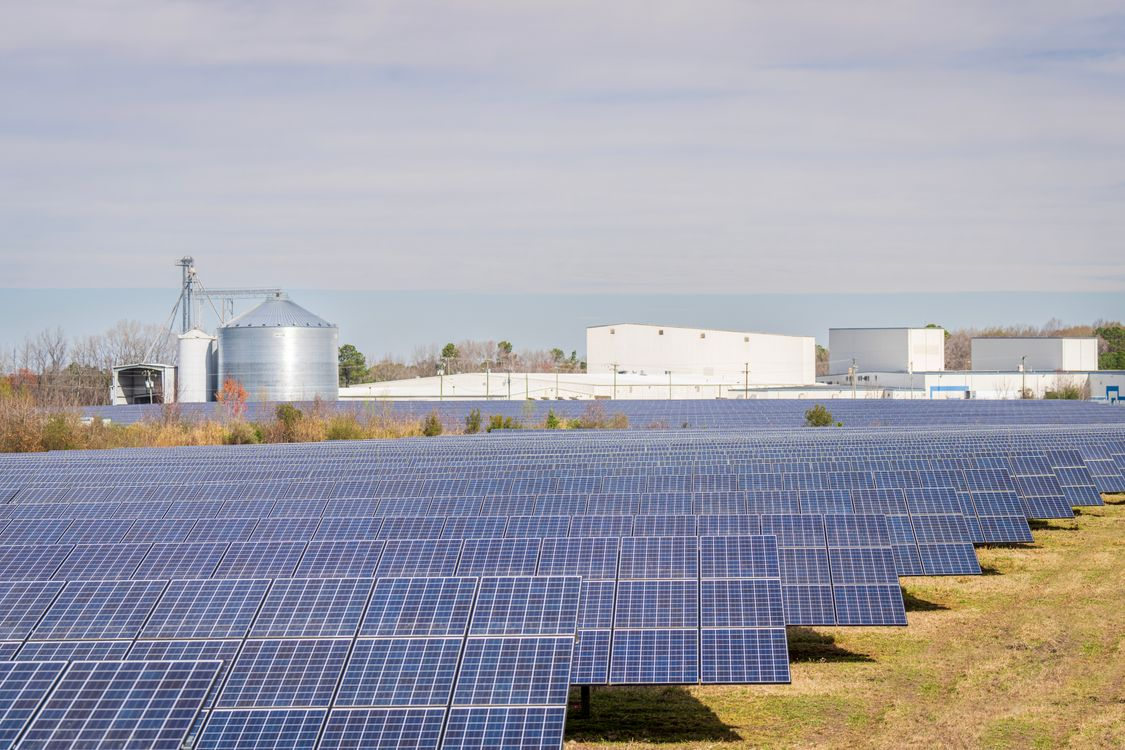
The authorised works include photovoltaic generation, battery storage, a grid connection and associated access and environmental infrastructure. Government documentation describes a maximum solar generation capacity of 800MW, while the consented network connection permits import and export of up to 800MW. Although both figures are expressed in megawatts, the former is a generating-system rating and the latter a limit at the grid interface. Project material also identifies a planned 440MW/880MWh battery, with power and stored energy expressed in different units.
Elements Green submitted the application on 27 June 2025, and the Planning Inspectorate accepted it for examination on 22 July. Following evidence from the public and statutory consultees, the examining authority delivered its recommendation in July 2026. The decision completes that main statutory determination stage. It does not settle the detailed sequencing of procurement, discharge of consent requirements, network construction or commissioning, which must be addressed through the subsequent delivery programme.
The main electrical connection is planned to use the existing Staythorpe 400kV substation. Connection at this voltage entails more than laying a cable between the site and the grid: the design will need appropriate transformers, switchgear, protection and control interfaces, together with studies of fault levels and network operating conditions. The precise connection arrangement and operating permissions are governed by the project’s technical agreements and subsequent engineering work, not simply by its planning consent.
Solar modules produce direct-current electricity and are grouped into arrays connected through inverters and internal electrical collection circuits. Transformers then raise the alternating-current voltage for transfer towards the grid connection. Battery conversion equipment will operate in both charging and discharging directions. Plant controls have to coordinate all of those sources and sinks against the connection limits, so the nameplate output of the solar installation cannot simply be added to the battery rating to calculate simultaneous grid export.
The planned 440MW/880MWh battery has a nominal energy-to-power ratio of two hours at full stated output. Actual usable discharge depends on state-of-charge limits, inverter losses, auxiliary loads and any energy retained for other services. Storage can absorb solar generation that is not exported immediately and may also be charged from the network if the final operational arrangements permit it. Battery output is a transfer of previously stored electrical energy, not an additional source of primary generation.
The developer models annual generation at about 1.1TWh, which it compares with the annual electricity requirements of approximately 400,000 homes. The estimate depends on irradiation, plant efficiency, operational availability and grid curtailment, and will be testable only after the installation is operating. Energy moved through the battery should not be counted twice when assessing the solar plant’s underlying electricity production, because the storage stage introduces conversion and standing losses.
A biodiversity and landscape programme accompanies the generating equipment. The site design will have to coordinate ecological commitments with road access, panel spacing, cable routes and the locations of battery and substation compounds. Elements Green says the next development phase includes meeting the conditions attached to consent before construction begins. That work will involve detailed engineering and environmental implementation as well as any contracting and financing decisions needed to start the build.
Civil delivery will involve preparing separate panel areas, installing access routes and cable corridors, and coordinating electrical compound works around the planned storage facilities. Foundation design, trenching, drainage, environmental controls and site traffic arrangements must be consistent with the approved project and any applicable requirements. Each part of the programme has interfaces with the electrical design because changing cable lengths, positions or equipment layouts can affect losses, protection studies and maintenance access.
The final electricity connection will require insulation and earthing verification, protection coordination, communications testing and controlled energisation. Inverters must demonstrate appropriate responses to network voltage and frequency conditions, while the battery system will need monitoring and isolation functions for abnormal cell and equipment states. Grid acceptance concerns the integrated installation, not merely individual equipment tests. Consent authorises a proposed development; it does not certify that the electrical plant meets those operating requirements.
The developer previously set out an indicative construction programme beginning in 2027, although a firm post-consent mobilisation date has not been confirmed. Civil works, panel erection, battery installation, cable laying and the Staythorpe connection will have different contractor and equipment dependencies. Once the detailed programme is established, its sequencing will determine when integrated tests can take place and when import and export may start under the network agreement.
Before the site can exchange power with the 400kV network, the developer must complete detailed electrical design, satisfy the relevant consent conditions and construct the connection infrastructure. The generating equipment, battery power conversion systems, transformers and protection must then be tested together against the agreed 800MW import/export limits. The consent decision makes those works possible under the planning regime, while the network connection and commissioning programme determine when electricity can actually flow.