IN Brief:
- The government granted a Development Consent Order for Frodsham Solar on 27 October after statutory examination.
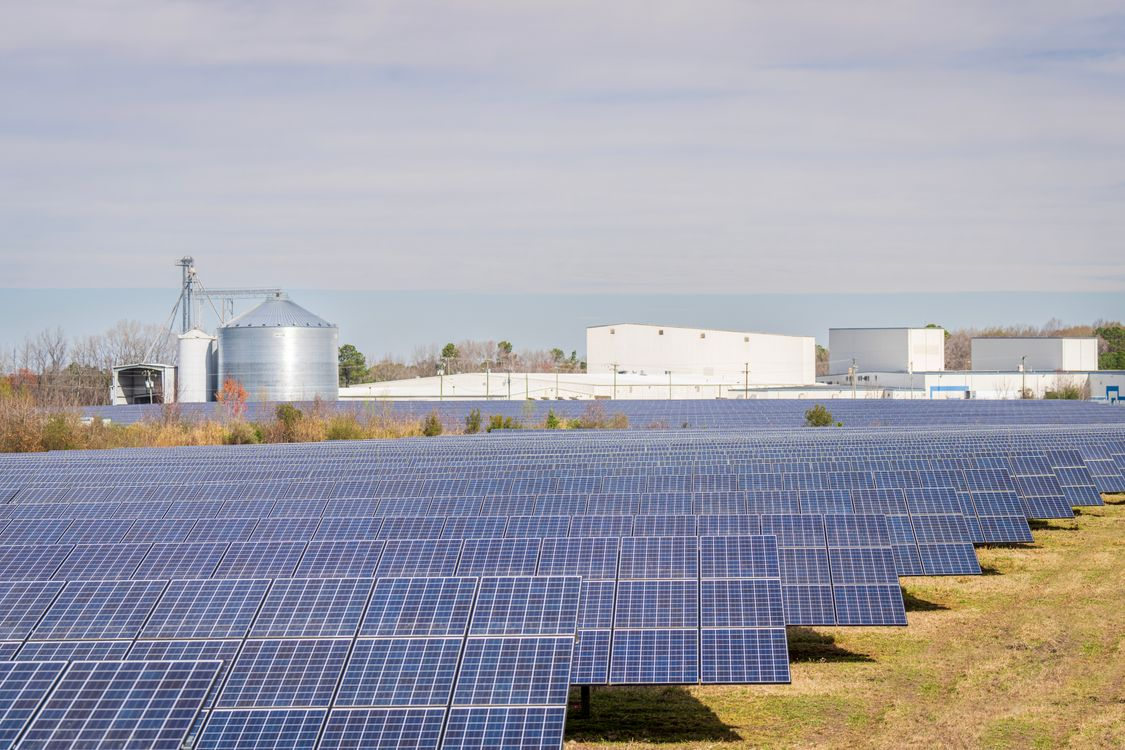
- The plans provide for approximately 147MW of solar panels and a 100MW battery, while export to the local network is capped at 100MW.
- The proposed infrastructure includes on-site substations, underground cabling, a local industry private-wire option and ecological mitigation.
Cubico Sustainable Investments has secured development consent for Frodsham Solar in Cheshire, a proposed photovoltaic generating station with co-located battery storage north of the town. The Secretary of State granted the Development Consent Order to Frodsham Solar Limited on 27 October. The planned site is near Frodsham Wind Farm and the Protos energy hub, although those neighbouring facilities are not part of a newly confirmed integrated power operation.
Project documents indicate approximately 147MW of solar generation and a battery with a proposed power rating of 100MW. The existing connection agreement with SP Energy Networks permits up to 100MW of export at Frodsham Substation, with project reporting also identifying a 50MW import capability. The solar rating measures installed generation, the battery power figure limits the rate of charging or discharge, and the grid export figure applies at the network interface. No confirmed battery energy rating in MWh has been established.
The proposal includes an optional private-wire connection to nearby businesses, alongside the connection into the public distribution system. Such a circuit could allow electricity to reach industrial users directly, but its construction and use would depend on commercial customers, network interfaces, metering, protection and applicable permissions. A private-wire option is not evidence of a signed electricity supply contract. The substation and associated underground cabling are among the physical works covered by the development consent.
Frodsham Solar Limited submitted its application on 30 May 2025, with the Planning Inspectorate accepting it for examination in June. The examining authority sent recommendations to the government on 29 July 2026. The consent decision authorises the proposed scheme subject to its requirements, including environmental and construction controls. Procurement, detailed engineering, site mobilisation and the eventual permission to energise the plant remain subsequent phases.
The electrical design will require coordination between direct-current output from the photovoltaic arrays, inverter conversion to alternating current and the local substation interface. At periods of high solar generation, plant controls may have to limit output to remain within the agreed export capacity. Conversely, when the battery charges, the control system must account for available network import capacity, any solar energy directed into storage and the operating constraints of the individual power converters.
Storage can alter the pattern of exported electricity without changing the amount of sunlight falling on the solar array. If energy generated during the day is stored and later released, some of the original electricity is lost during charging and discharging. The battery may also be operated for other services under future agreements, but no detailed dispatch contract or performance specification has been established publicly. The 100MW power figure must therefore not be turned into an assumed number of operating hours or MWh of storage.
The optional industrial private-wire route would introduce another electrical interface into the site’s design. Any such supply would need a defined connection point, suitable isolation and fault protection, and metering consistent with the customer’s agreement. Its operation would also have to be reconciled with the limits on the public-network connection and with the battery charging strategy. Detailed engineering will determine whether and how the consented provision is taken forward.
The site lies close to Frodsham Wind Farm and the Protos industrial hub, bringing several separate electricity and industrial assets into the same local network area. Each has its own ownership, connection arrangements and operating obligations. Shared geography may simplify access to existing infrastructure, but the electrical interfaces still require individual protection studies, commercial agreements and approval from the relevant network operator. No coordinated dispatch agreement for the neighbouring assets has been established.
Cubico estimates that the completed solar project could generate electricity equivalent to the average annual consumption of about 40,000 homes. That comparison depends on assumed solar output and typical consumption over a year. The 100MW export cap does not represent continuous generation, nor does it determine annual production by itself. Periods of high photovoltaic output, possible storage charging and any private-wire demand will influence how much electricity can be delivered through each connection.
The consent also provides for landscape and ecological mitigation, including measures for non-breeding birds and skylark, alongside access arrangements and site works. The design of cable corridors and electrical compounds must account for those requirements as well as construction traffic, safe separation from public routes and maintenance access. The combination of grid and environmental conditions will influence the order in which the project’s construction areas and electrical infrastructure can be developed.
Cubico is preparing for the construction phase following the consent decision. Detailed design must establish the arrangement of panels, inverters, storage equipment, protection and the Frodsham Substation interface; the relevant development consent requirements must also be satisfied. Civil works, equipment procurement and grid-side installation will precede testing and controlled energisation. The company has not set a firm completion date in its latest consent statement.
The 100MW export connection will remain the governing public-network limit even though the proposed photovoltaic array and battery each have their own higher or equal power ratings. Site controls must manage generation, charging and any direct industrial supply without breaching that interface, while the equipment itself must pass electrical safety and network compliance tests. Those delivery steps follow the 27 October statutory decision, with construction and commercial generation still ahead.