IN Brief:
- Winners Holding Investments and Finas Group have commissioned a 100MWh BESS at Glodeni.
- The project represents investment of more than €25 million and lifts their joint operational portfolio to 110MWh.
- A further 200MWh installation at Jibou is targeted for completion by November.
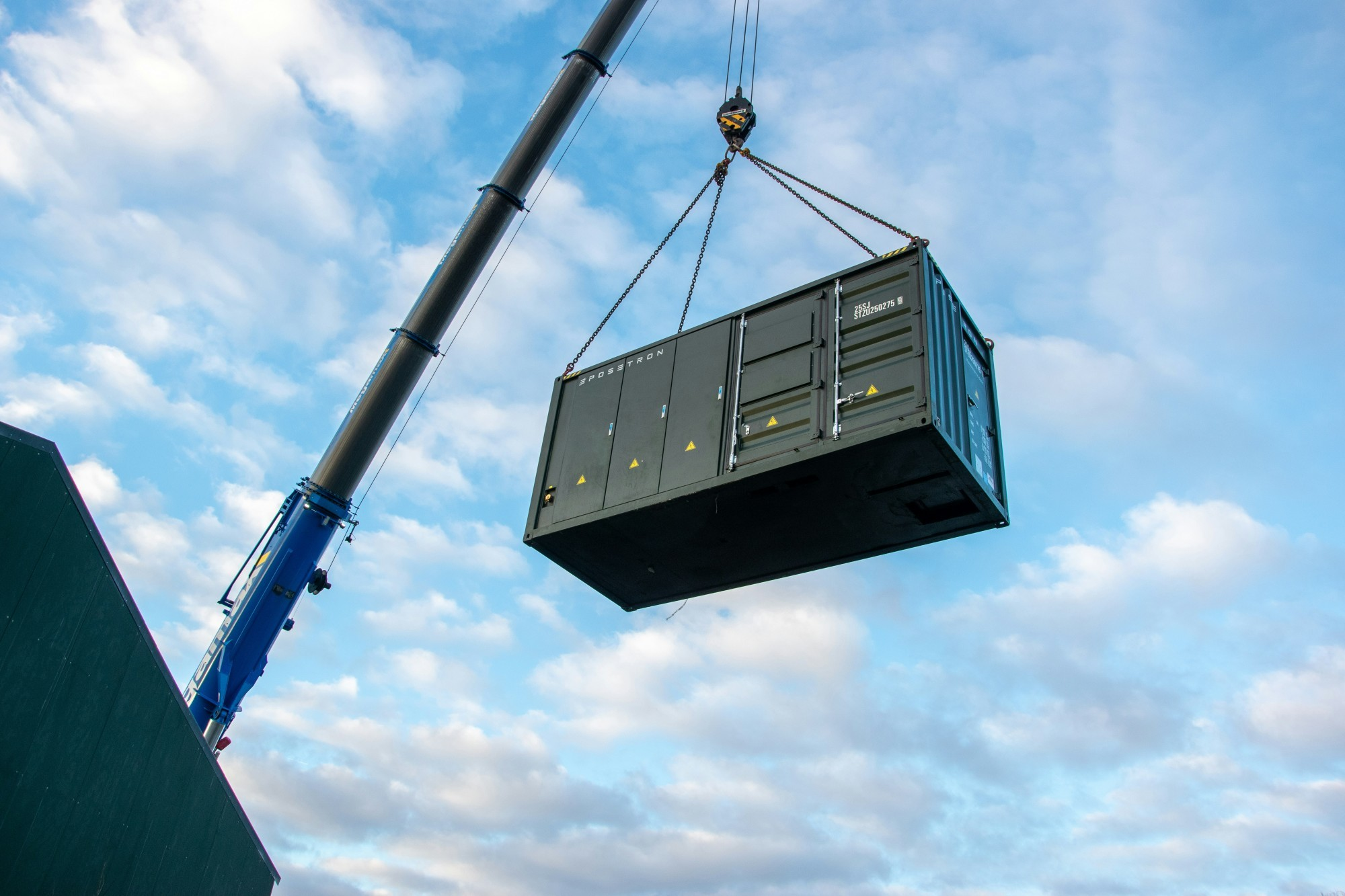
Winners Holding Investments and Finas Group have commissioned a 100MWh battery energy storage system at Glodeni in Mureș County, Romania, following investment of more than €25 million.
The project is the second storage installation delivered through the companies’ cooperation with Chinese electrical-equipment manufacturer Sieyuan Electric. It follows a 10MWh system completed at Aghireșu in April, taking the operational energy capacity identified within the joint programme to 110MWh.
The partners intend to continue the build-out with a 200MWh battery at Jibou in Sălaj County, where completion is planned by November. That project is valued at around €45 million and would increase the combined energy capacity of the first three installations to 310MWh if delivered as scheduled.
The Glodeni announcement gives the battery’s energy capacity but does not disclose its megawatt power rating. That distinction prevents a reliable calculation of nominal discharge duration because megawatt-hours alone describe stored energy rather than the maximum rate at which the installation can charge or discharge.
A 50MW/100MWh battery would have a nominal two-hour energy-to-power ratio, while a 25MW/100MWh plant would provide four hours at rated output. Neither configuration should be assumed for Glodeni without a published MW figure.
The partners nevertheless identify flexibility and balancing as intended functions for the expanding portfolio. Batteries can support those requirements by changing active-power output rapidly in response to system or market signals, provided the plant has sufficient connection capacity, suitable controls, and qualification for the relevant services.
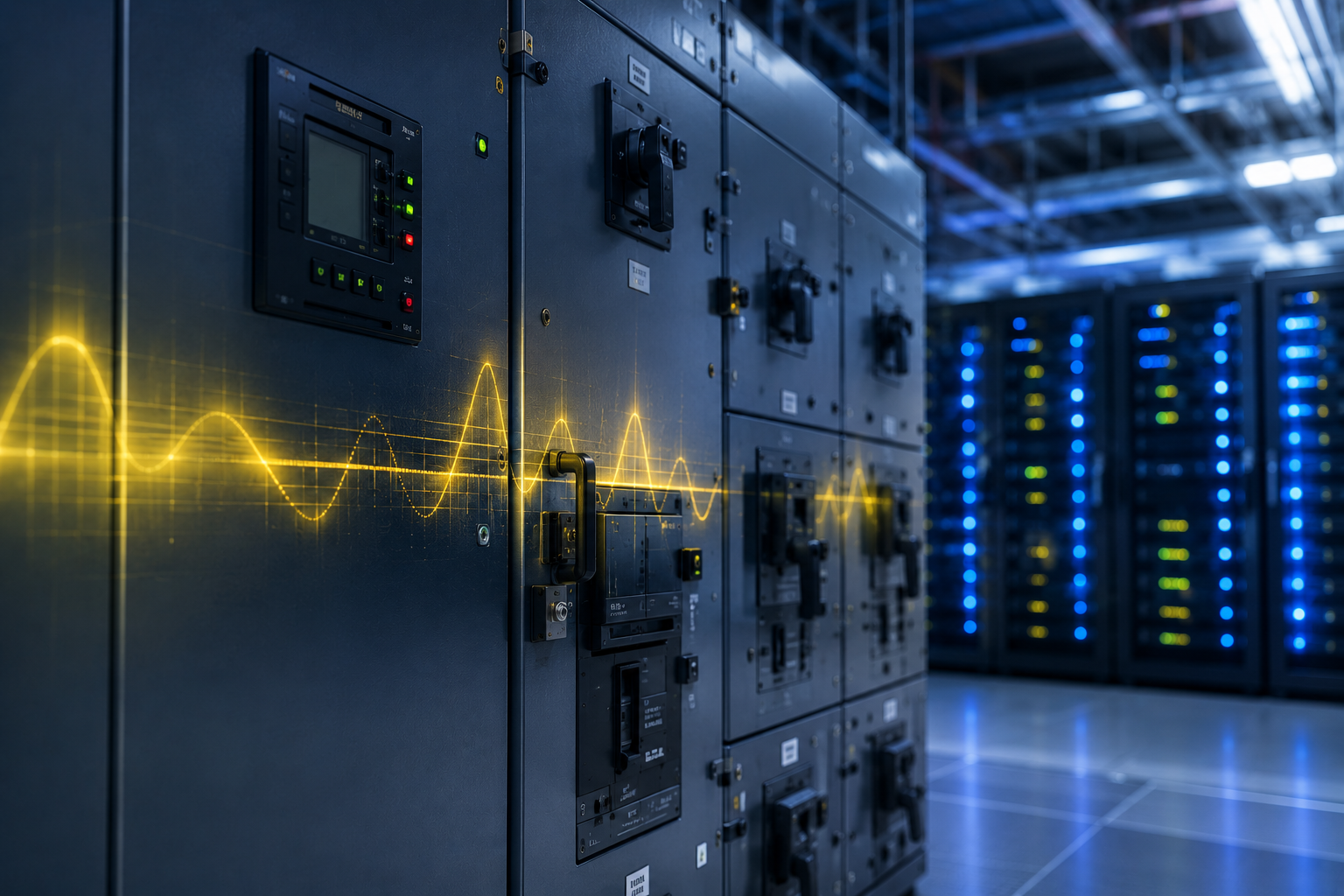
A utility-scale battery installation is substantially more than its cell containers. DC battery racks operate through power-conversion systems that create alternating-current output, with transformers, switchgear, protection, control, auxiliary supplies, and metering forming the electrical interface with the network.
Thermal-management and fire-protection systems keep cells within defined operating limits, while the energy-management system coordinates charge and discharge according to state of charge, plant constraints, market instructions, and any services already committed to third parties.
The involvement of the National Power Dispatch, Distribuție Energie Electrică România, and PPC România during project delivery illustrates the number of interfaces surrounding a grid-scale storage plant. Commissioning has to establish that the installation behaves correctly not only internally but when operating as part of the wider electricity system.
Tests can cover protection settings, active and reactive-power control, communications, metering, operating limits, and response to dispatch commands. The detailed commissioning programme for Glodeni has not been published, so individual performance figures or service qualifications should not be inferred from the operational announcement.
The project follows a memorandum signed in March between Winners Holding Investments, Finas Group, and Sieyuan Electric covering battery systems and related electrical infrastructure in Romania. Two operational sites within several months give the partnership a physical asset base rather than a development agreement alone.
The progression in project size is also notable. Aghireșu began at 10MWh, Glodeni increases that figure tenfold to 100MWh, and the planned Jibou project would double Glodeni’s energy capacity again at 200MWh.
As storage projects become larger, the engineering around them grows correspondingly more substantial. Higher power levels require heavier grid connections, transformers, switchgear, protection systems, and civil infrastructure, while larger energy capacities increase the volume of cells, thermal-management equipment, and site services that have to be operated and maintained.
Commercial operation becomes more complicated as well. Batteries create value by cycling, but cycling contributes to cell degradation, leaving operators to balance short-term market opportunities against warranty limits, state-of-health targets, temperature, depth of discharge, efficiency losses, and the need to retain capacity for committed services.
Romania’s growing renewable fleet increases the number of periods in which flexible capacity may have system value. Solar output is concentrated during daylight, while wind can change independently of electricity demand, creating differences between when renewable energy is produced and when the power system most values additional supply.
Storage can move energy between those periods and can also respond over shorter timescales to balancing requirements. The economic value depends on price spreads, service-market revenues, charging costs, degradation, and the amount of competing storage entering the same markets.
Batteries do not remove the need for grid reinforcement. Every project still requires physical import and export capacity, and clusters of storage assets can create new local constraints if several plants charge or discharge simultaneously at the same network node.
For network operators, the meaningful measures therefore extend beyond the number of installed megawatt-hours. Connection location, MW rating, duration, control behaviour, availability, state of charge, and technical qualification determine how much usable flexibility a project can provide at a particular moment.
Glodeni contributes another 100MWh to Romania’s developing fleet while leaving its power rating commercially undisclosed. The broader programme is clearer: Winners Holding Investments and Finas Group have moved from a first 10MWh installation to 110MWh in operation and are targeting 310MWh across their first three projects before the end of the year.
If Jibou follows into service on schedule, the partnership will have increased its installed energy capacity almost thirtyfold from the initial Aghireșu project. The engineering challenge will then move increasingly from building individual batteries to ensuring their combined behaviour can be integrated productively into the Romanian power system.