IN Brief:
- EU state aid approval permits a maximum €9.5bn support scheme for two Dutch offshore wind sites totalling 2 GW.
- Gamma-A and Gamma-B are planned to connect through a shared TenneT 2 GW offshore HVDC platform and link.
- Applicants can seek subsidy or submit subsidy-free bids from 26 November to 10 December, with operation expected in 2032.
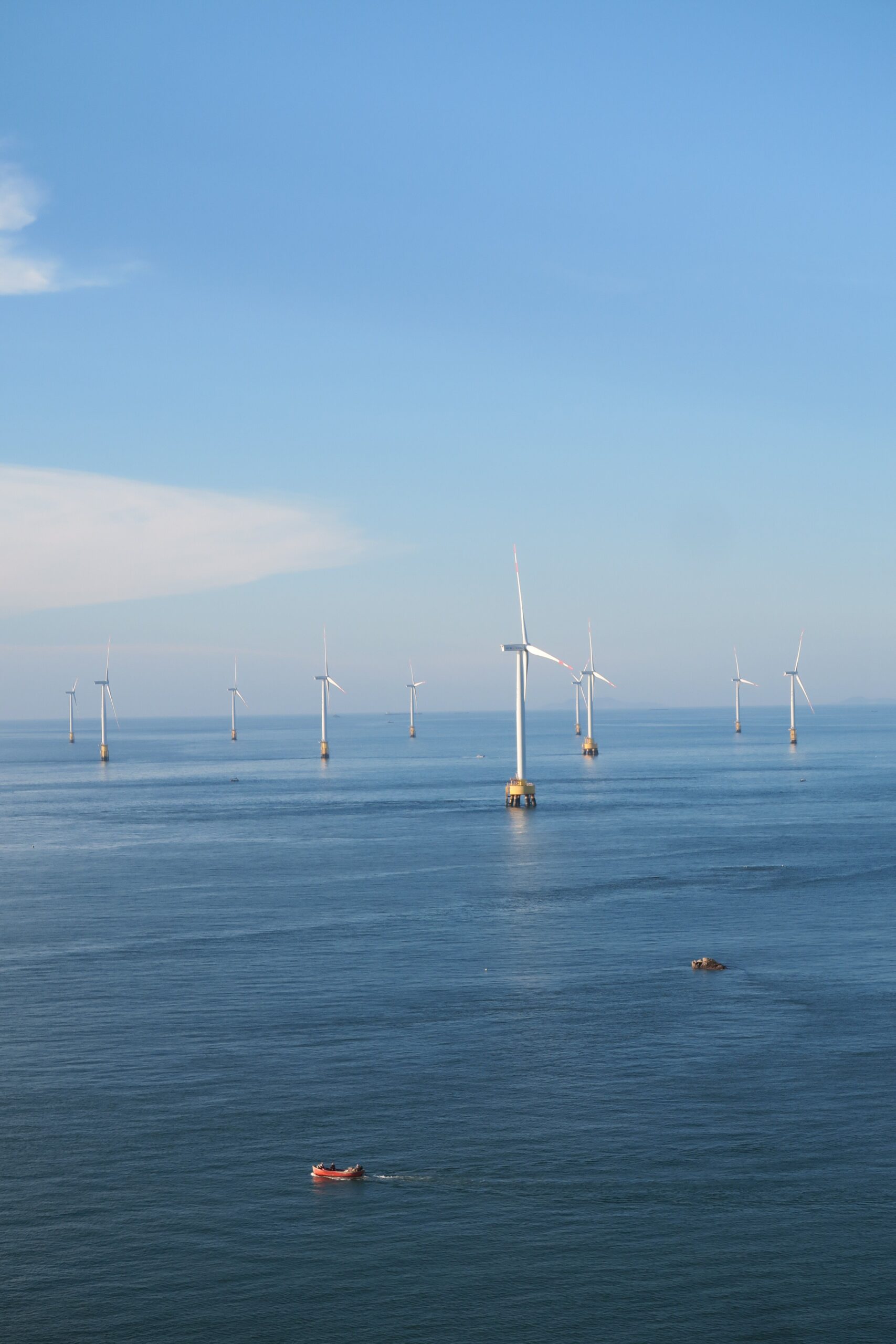
The European Commission has authorised a Dutch offshore wind support scheme worth up to €9.5bn for the IJmuiden Ver Gamma-A and Gamma-B sites in the North Sea. The approval clears a state aid requirement ahead of the Dutch permit competition, but does not award either project to a developer. Each site is planned to accommodate around 1 GW of wind generation, with applications opening on 26 November and electricity production currently expected from 2032.
The approval covers the Tijdelijk Ondersteuningsmechanisme Windenergie Op Zee, or TOWOZ, a temporary support mechanism developed as the economics of offshore wind projects become more difficult to finance. The two sites are each planned at approximately 1 GW. Together they are expected to generate up to 7,441 GWh of electricity annually, according to the figures presented to the Commission. That is a projected output for the proposed installations, rather than an operational result or a guarantee of annual generation.
Approval establishes the amount and structure of aid the Netherlands may offer; it is not a commitment to disburse the full €9.5bn. Developers must still bid for the individual permits, demonstrate that their proposals meet the conditions and secure the investment needed to construct the wind farms. The final public commitment, if any, depends on the outcomes of the competition and the level of support requested by successful applicants.
Developers may submit subsidy-free concession bids or applications seeking financial support during the same application period. The Netherlands Enterprise Agency will assess qualifying concession bids first, ranking the highest payment offered to the state ahead of lower offers. Subsidy applications are considered if the subsidy-free route does not produce an acceptable winner, with the lowest requested aid receiving priority. The two routes therefore run simultaneously for applicants, even though the assessment gives precedence to unsubsidised development.
The state aid framework places a ceiling on support and includes a clawback mechanism when market electricity prices exceed an agreed strike price. The Commission says support can run for 15 years from the start of operation. Payments are consequently tied to the electricity market and the tender result rather than being a lump-sum construction grant; developers retain exposure to the construction and operational conditions of their awarded projects.
The Netherlands Enterprise Agency has published a total maximum support envelope of €9.456bn, divided into €4.758bn for Gamma-A and €4.698bn for Gamma-B. It has also set reference subsidy limits of €0.117 per kWh for the first site and €0.116 per kWh for the second, following an increase earlier this year. These figures represent the available tender parameters; they are not confirmed payments to future operators or contracted prices already accepted by the market.
The subsidy increase was prompted partly by the proposed Dutch feed-in tariff, under which electricity producers would contribute to the cost of using the high-voltage network. The Netherlands Authority for Consumers and Markets has been developing that approach, and prospective charges create uncertainty in future operating expenditure. Higher tender limits give bidders scope to reflect those costs, but do not establish that the maximum public payment will ultimately be awarded.
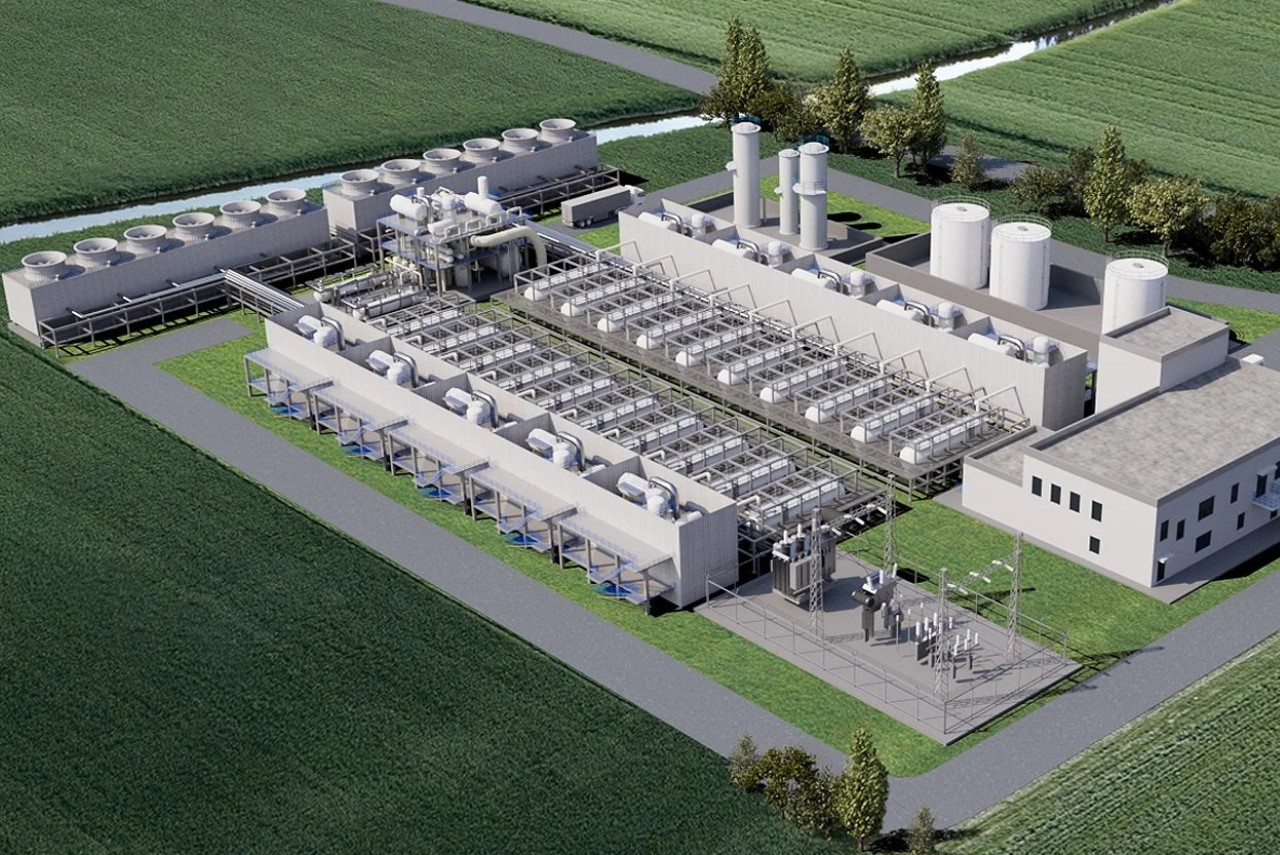
The two 1 GW wind farms are designed to feed into shared offshore transmission infrastructure. The Netherlands Enterprise Agency says TenneT is developing a 2 GW high-voltage direct current connection, with both Gamma sites feeding a common offshore platform and an export route to an onshore substation. That shared configuration makes delivery of the offshore grid a critical interface for the separate wind farm developers: collection systems, voltage conversion, export equipment and commissioning schedules will have to operate as one connected system.
Gamma-A lies about 53 km off the Dutch coast and forms part of the wider IJmuiden Ver development area. Its export infrastructure and the wind farm’s own array cables have different technical roles: array cables collect power from turbines, while the offshore converter platform and HVDC link move bulk power towards the onshore transmission network. The state aid decision covers support for electricity generation; it does not, by itself, constitute a construction approval for every electrical asset needed to connect the sites.
Applications for both permits are due to run from 26 November to 10 December 2026, with permit awards targeted for the first quarter of 2027. The Netherlands estimates the two projects could avoid around 147 million tonnes of carbon dioxide equivalent over their operating lives, depending on realised generation and the electricity they displace. The estimate is not a measured emissions saving from operational assets.
The next decision is which developers secure Gamma-A and Gamma-B, and whether either can proceed without subsidy. The winners will still need to coordinate finance, turbine procurement, offshore installation and the shared TenneT connection before the planned 2032 start of generation. The €9.5bn figure is an approved upper limit, not a final development cost or an award already made.