IN Brief:
- The European Commission has approved a Belgian offshore wind support scheme with a maximum budget of €2.04bn over 20 years.
- The scheme applies to the first Princess Elisabeth zone wind farm, with up to 735MW of planned capacity and 2.6TWh in estimated yearly output.
- Support will be awarded competitively, with a result expected in the fourth quarter of 2027 and supply-chain diversification among prequalification conditions.
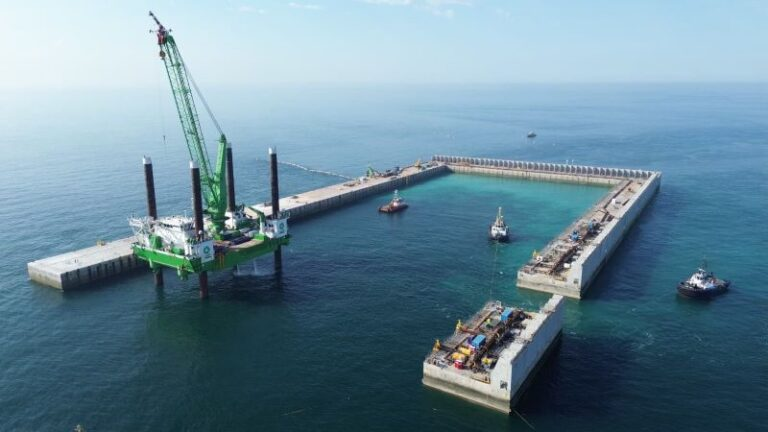
The European Commission has approved a Belgian State aid scheme with a maximum budget of €2.04 billion to support construction and operation of the first offshore wind farm in the Princess Elisabeth zone of the North Sea. The planned project could reach 735MW of installed capacity and generate up to 2.6TWh of renewable electricity annually, although a developer has not yet been selected.
Belgium intends to award the support competitively, with a tender result expected in the fourth quarter of 2027. The scheme would operate over 20 years using a two-way contract for difference, under which an agreed bid price is compared with a market reference price. Brussels has approved the mechanism and its budget ceiling; no developer has yet received the full authorised amount or a construction contract through this decision.
When the reference market price falls below the winning bid price, the contract allows a compensating payment to the generator. When the reference exceeds that price, the generator pays the corresponding difference to the Belgian authorities. This two-way settlement can reduce uncertainty about future revenues without guaranteeing that every euro of the approved €2.04 billion will be spent.
The Commission specifies that support will be calculated as a monthly variable premium weighted by the wind farm’s potential generation capability. That detail is material: the settlement is not simply a payment for every megawatt-hour physically exported. The structure is designed to preserve responsiveness to market prices, including avoiding compensation for electricity produced when its market value is negative.
The first project would occupy one parcel in the wider Princess Elisabeth offshore wind zone. Capacity of up to 735MW is attributed to that individual wind farm, rather than to the entire zone or the separate Princess Elisabeth energy-island connection programme. A generating capacity figure also does not establish how many turbines or which turbine models the successful bidder will eventually install.
The projected annual generation of up to 2.6TWh represents the Commission’s assessment of the future project, not output already measured at sea. Real generation will vary with wind conditions, turbine availability, electrical losses and any restrictions on export. The announced figures therefore support a scale estimate but are not an equipment specification or a guaranteed annual delivery volume.
The eventual development will require offshore collection equipment, export cables, high-voltage interfaces and onshore network connections. Their configuration depends on the selected design and the grid-access arrangements, which remain separate from this State aid approval. No turbine supplier, cable contractor or project commissioning date was identified in the latest decision.
The tender will also apply prequalification criteria associated with the EU Net-Zero Industry Act. These require diversification of supply chains for turbines and their principal components to limit dependence on imports from outside Europe. They are not a requirement that every component be manufactured in Belgium, and the precise supplier mix will depend on the successful bid.
The November decision supersedes a €682 million Belgian scheme approved in September 2024. Aid under that measure was not awarded before the legal deadline of 31 December 2025, and Belgium had cancelled its previous first-parcel tender. The old and new budget ceilings therefore should not be added as though two simultaneous funding awards had been made.
Belgium cancelled its earlier tender for the first Princess Elisabeth parcel in July 2025 before preparing the new regime. The Commission has now assessed the replacement under the Clean Industrial Deal State Aid Framework, adopted in June 2025, which sets conditions for measures supporting clean energy and certain industrial investments. The decision confirms compatibility with EU State aid rules; it does not remove the need for national permitting and contractual approvals.
The Commission judged the replacement scheme necessary and proportionate under the Clean Industrial Deal State Aid Framework. That is a competition and State aid assessment, not a finding that the plant’s final cost or future market income is known. The amounts actually paid to or recovered from the developer will depend on the successful contract and prices over its operating period.
The next scheduled step is selection of a beneficiary through competitive bidding, with a result expected in the final quarter of 2027. Design, procurement, electrical connection works and commissioning would follow their own project timetable. The 2027 date is a tender milestone, not an announced date for first power.