IN Brief:
- Elements Green and TenneT have concluded the grid connection agreement for the planned 400MW/1,600MWh Stadorf battery.
- The new agreement follows an earlier connection construction contract and establishes a contractual basis for a four-hour, extra-high-voltage storage project.
- Detailed grid engineering and construction preparations continue; no energisation or operating date was confirmed in the latest announcement.
Elements Green Deutschland has signed a grid connection agreement with transmission system operator TenneT for its planned 400MW battery at Stadorf in Lower Saxony. The installation is designed to store 1,600MWh, giving it a nominal four-hour discharge duration at its stated output, and will connect directly to Germany’s extra-high-voltage electricity network.
Earlier in 2026, Elements Green and TenneT concluded a connection construction agreement. The newly signed grid connection agreement is a separate instrument and, taken together, the two establish the main contractual arrangements for building and subsequently using the connection. They do not represent a completed physical link: detailed design, construction preparations, and coordination with the technology supplier remain under way.
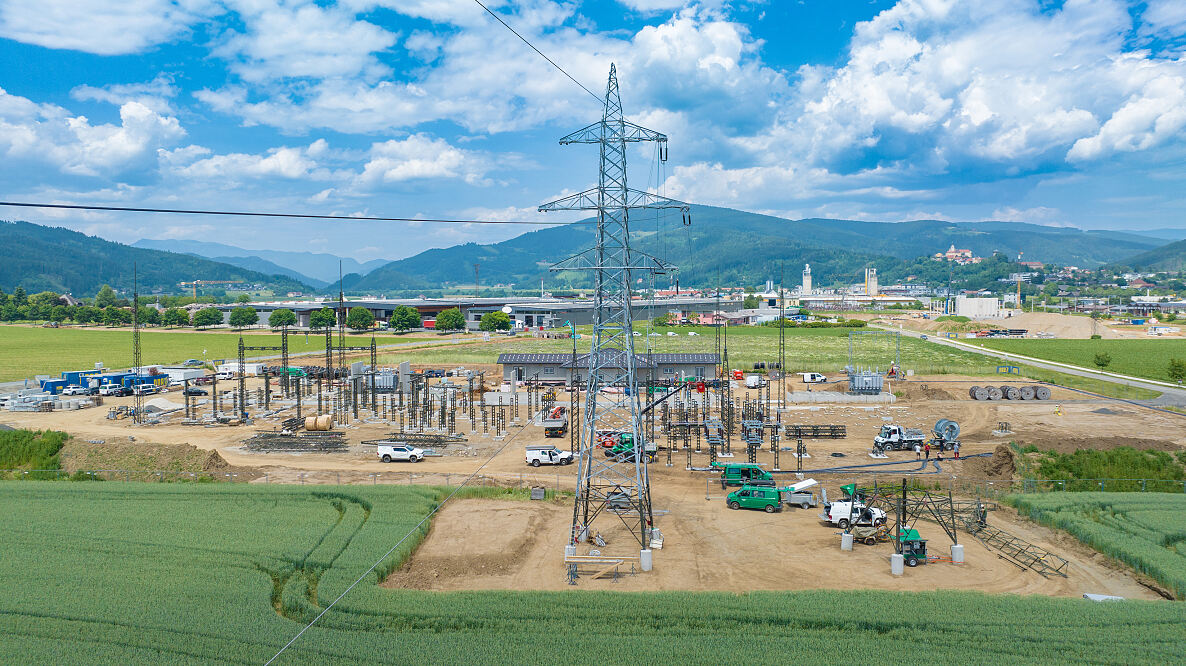
Exporting as much as 400MW requires an electrical connection whose thermal capacity, voltage controls, protection, and operating conditions are compatible with the surrounding transmission system. An agreement can establish rights and responsibilities for that interface while significant engineering work remains outstanding. Before Stadorf can export or import electricity, its connection infrastructure will have to be delivered, tested, and accepted under the relevant system requirements.
Stadorf’s 1,600MWh rating describes the quantity of energy it is designed to store, while its 400MW rating describes the maximum output identified for the project. At that scale, the plant could sustain its rated discharge for four hours in nominal terms. Real dispatch patterns would depend on state of charge, conversion losses, equipment limits, ancillary service commitments, and the prevailing market conditions; the developer has not published a guaranteed daily operating profile.
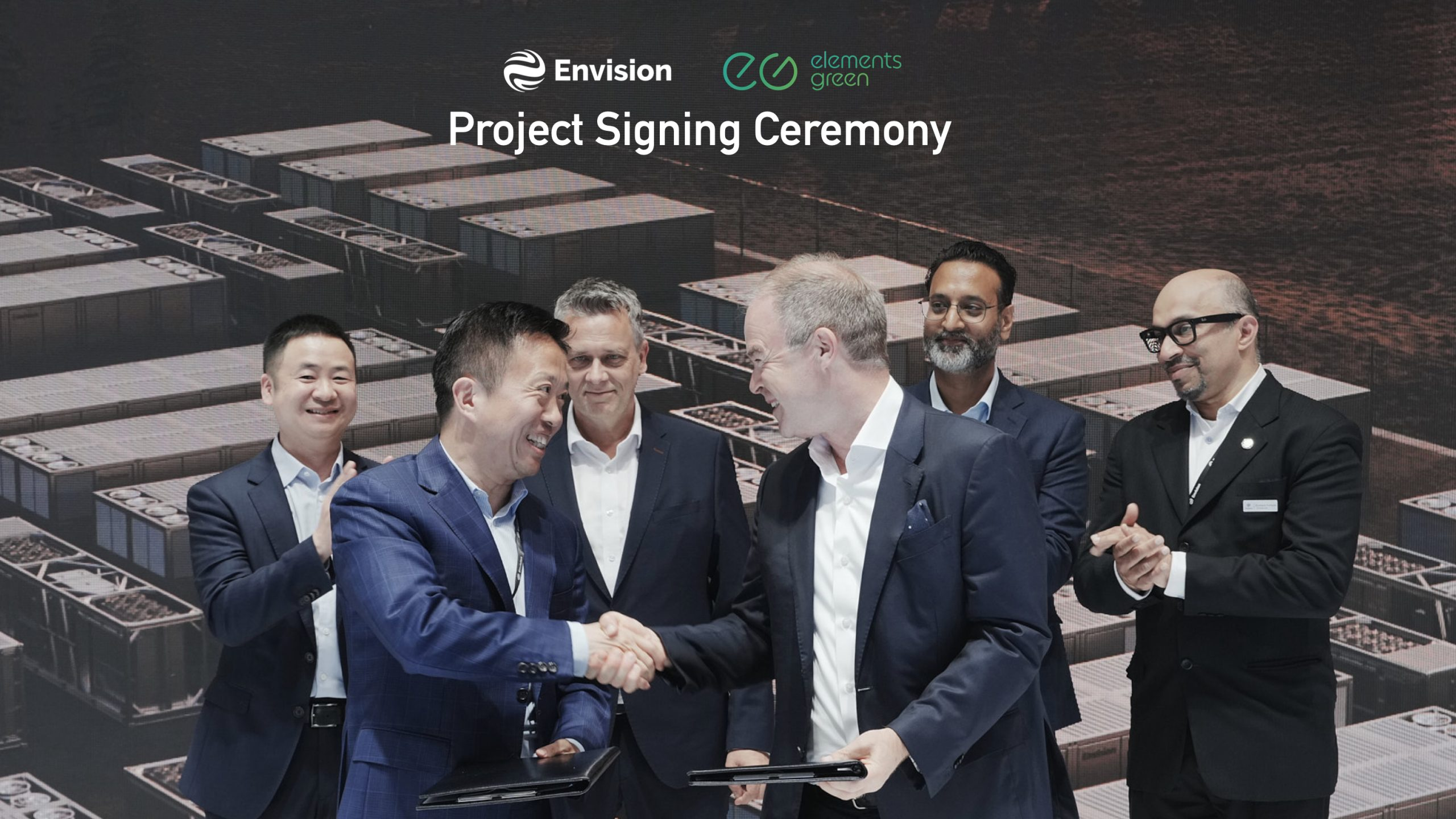
Elements Green previously selected Envision Energy as its technology partner for the Stadorf scheme. In June, the companies described an integrated system built around Envision’s Generation 8 battery platform, with intelligent grid integration capabilities. That procurement and technology announcement established a proposed equipment approach, while the new TenneT agreement advances the grid connection on which operation will depend.
Envision’s proposed battery technology will have to be integrated with power conversion systems, plant controls, and the high-voltage connection. Battery management governs operating limits and the condition of the cells; converters provide controlled transfer between the battery’s direct-current system and the alternating-current network. The interfaces among these systems will shape protection coordination, response times, and the ability of the completed plant to follow an agreed dispatch instruction.
Detailed connection design must also account for protection coordination, network communication, and the battery’s behaviour during disturbances. Elements Green has not supplied the exact transmission voltage, number of converters, transformer ratings, or a specified grid-forming requirement for Stadorf. Those characteristics cannot be derived from its 400MW output rating alone, although the developer has confirmed that the battery is intended to connect directly to the extra-high-voltage network.
Germany’s rapid growth in variable renewable generation creates a broader requirement for assets able to move energy between periods of different supply and demand. A battery can charge when output is high or consumption low, then discharge when additional power is valuable. Whether it reduces a particular local network constraint, and to what degree, depends on its connection location, dispatch strategy, and operating agreements rather than its storage capacity alone.
Michael Zimmermann, managing director of Elements Green Deutschland, described the new agreement as progress towards delivering the project’s network interface. The company is also developing further large German batteries intended for the extra-high-voltage system. Stadorf forms part of its strategy to develop, own, and operate energy infrastructure rather than dispose of each project immediately after consent.
In a separate September update, Elements Green said it intended to invest about €2bn in German battery projects and was targeting eight large systems with a combined power capacity of 3.2GW by 2028. Those portfolio ambitions are distinct from an approved construction timetable for Stadorf. The developer has not given a current start-of-works date or commercial operation date for this individual site in the connection announcement.
At major grid nodes, the availability of a suitable connection and the scope of the associated works can determine when storage capacity reaches operation. Stadorf now has the central contractual arrangements for this part of its development, but the connection engineering has not been completed. No final investment decision, project construction cost, confirmed energisation date, or battery commissioning date accompanied the latest agreement.
Elements Green’s next stated steps are detailed connection planning, construction preparation, and further work with TenneT and its technology partners. When commissioned, Stadorf is intended to provide four-hour storage at transmission scale. For now, the newly achieved milestone remains contractual rather than operational: a further stage of electrical design and construction stands between the agreement and its first grid export.