
Storage
—
-
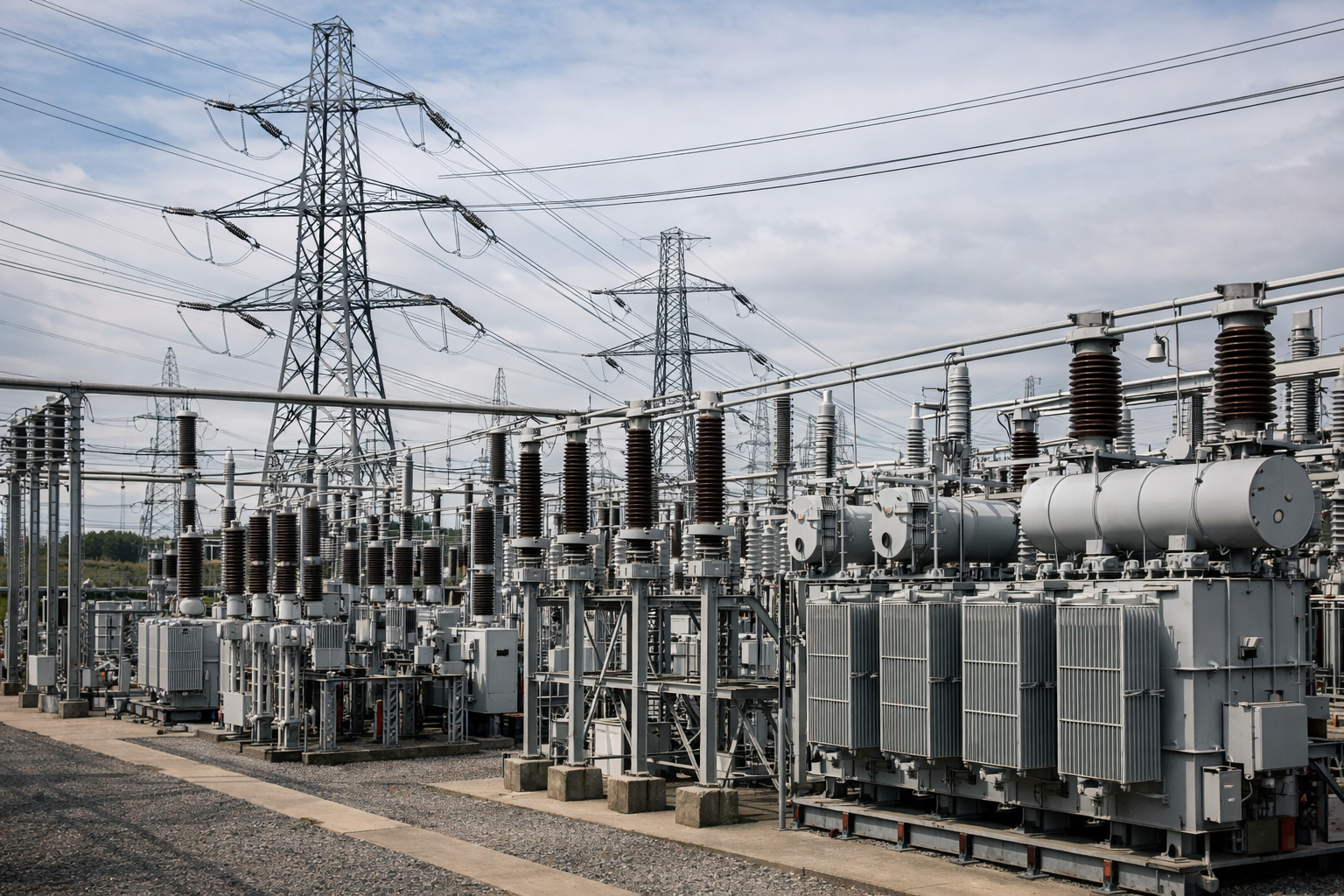
Turkey’s first standalone battery has entered active grid-stability service provision. The Şanlıurfa project marks a new step for storage in ancillary services and frequency control.
-
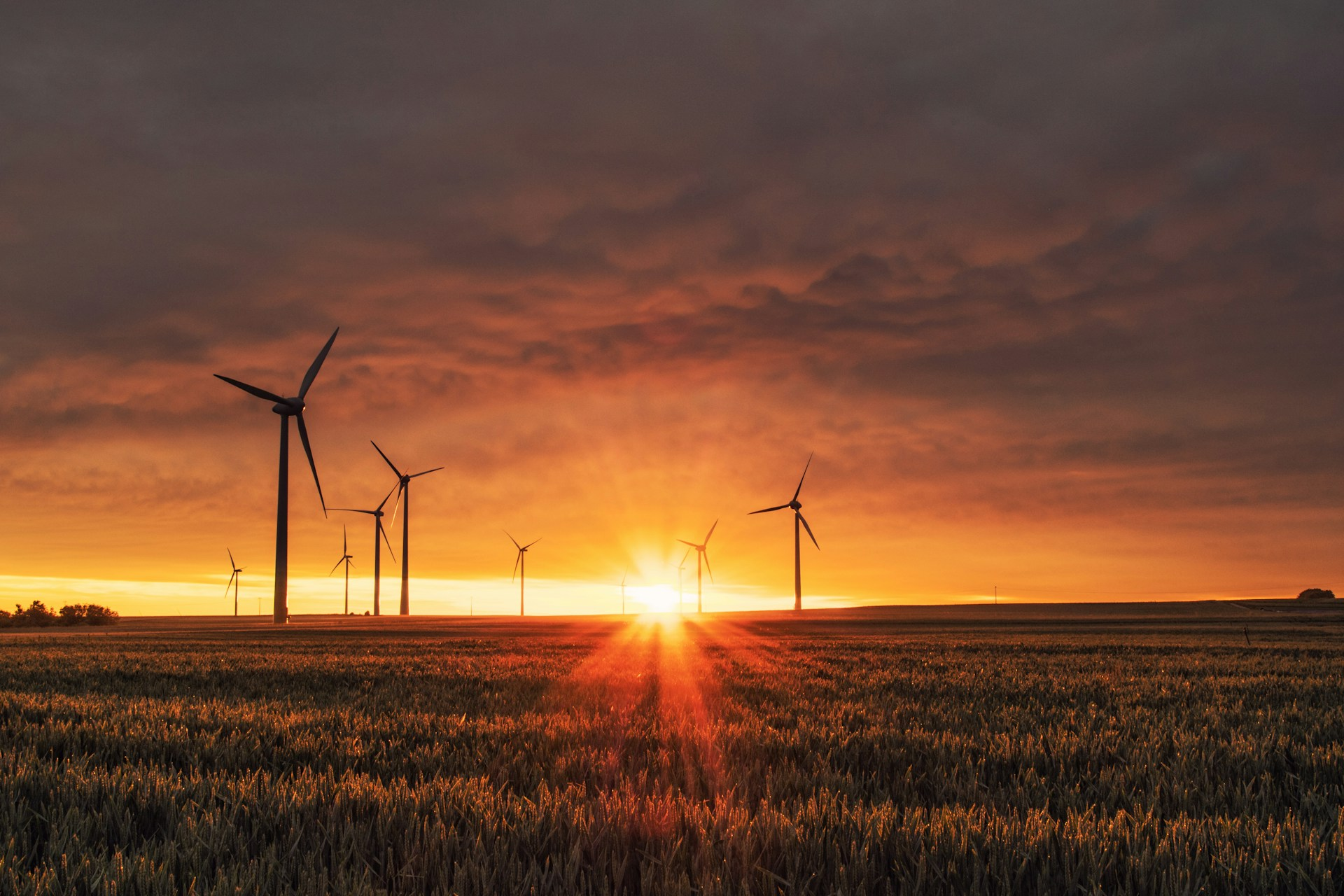
Dutch storage planning is shifting towards longer-duration grid support technologies. A hydrogen-iron flow battery at Windpark Zeewolde would connect large-scale wind generation with 10–40 hour storage.
-
Envision and Pulse are advancing a Wolverhampton battery storage project. The 129MW/310MWh system adds grid-forming capability and 2.4-hour duration to the UK BESS pipeline.
-

Ofgem has approved updates to Dynamic Response market service rules. The decision affects availability, balancing market notifications, baseline methodology, and participation by battery and aggregated assets.
-
SP Electricity North West has accelerated a battery grid connection. Real-time active network management avoided reinforcement, saved £3.2m, and kept curtailment to 0.3%.
-
ENERCON has signed its first German wind-plus-storage project delivery agreements. The deals combine turbines, battery storage, and hybrid controls as renewable assets take on more flexible operating roles.
-
European battery manufacturing is moving closer to grid storage demand. New Italian and Spanish milestones add LFP cell, pack, and BESS capacity to the region’s flexibility supply chain.
-
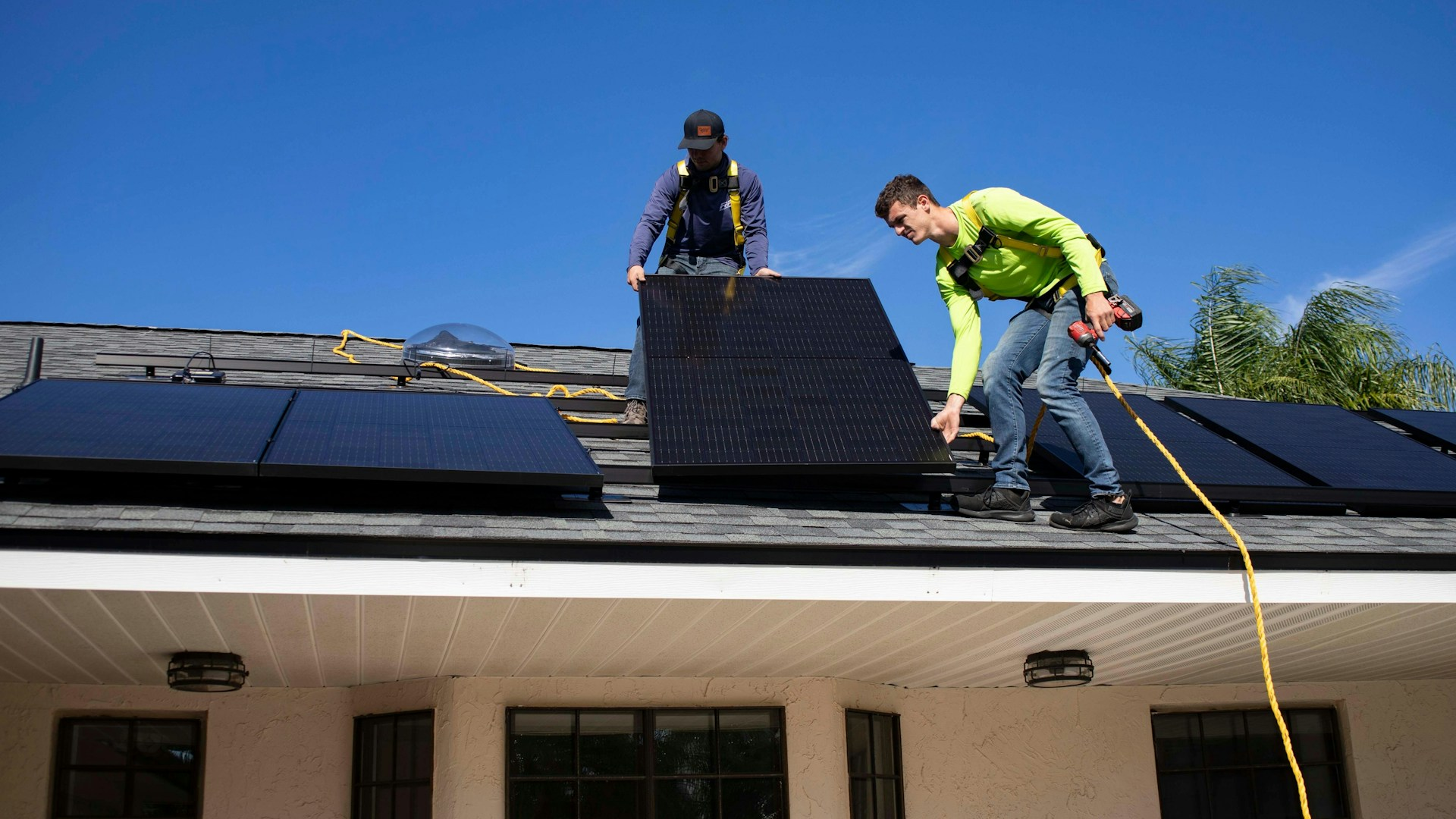
Island Green Power has closed £315m financing for UK renewables. The HoldCo debt package supports large-scale solar, co-located storage, and independent power production.
-
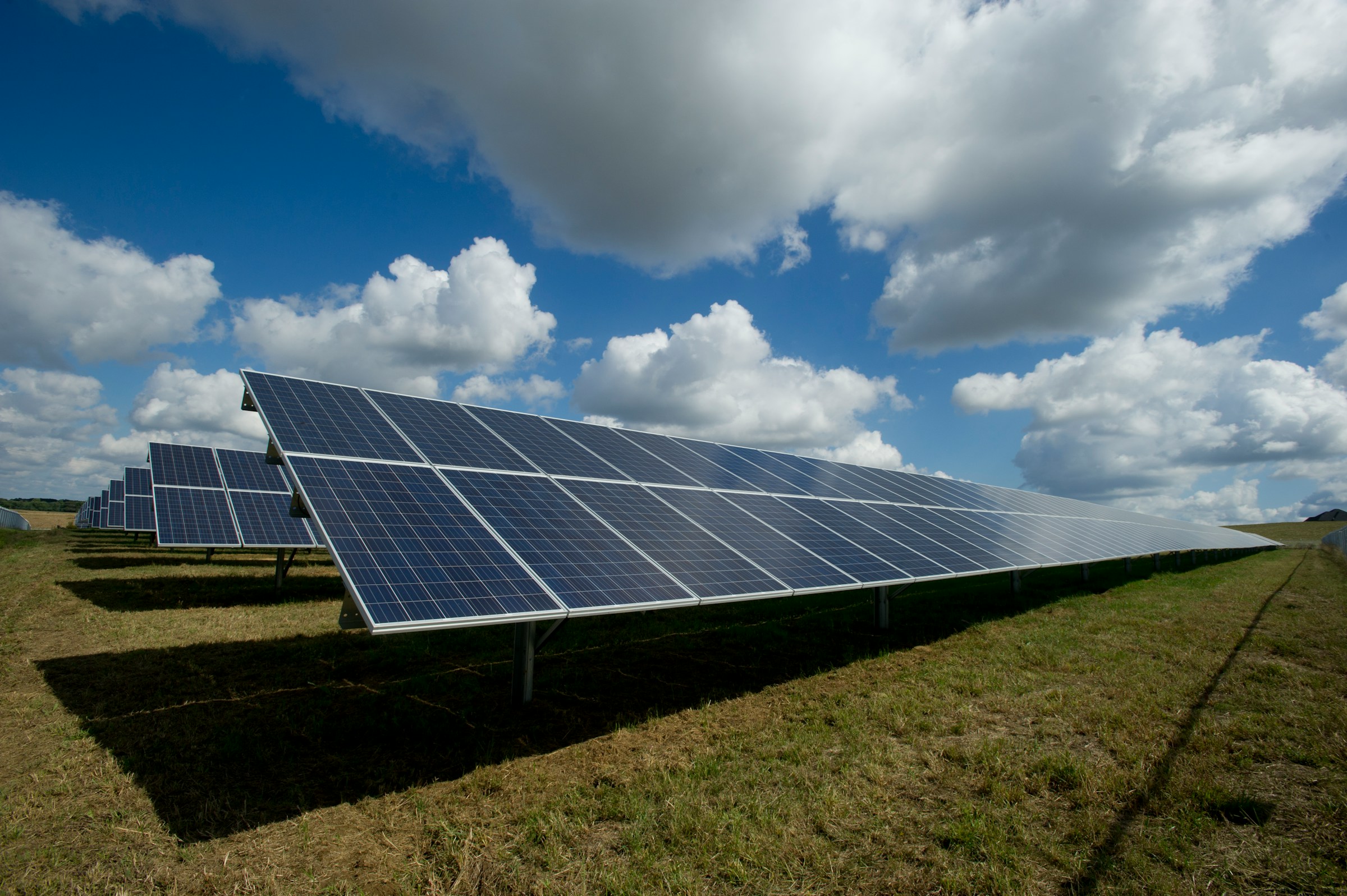
Peartree Hill consent advances UK solar and storage capacity delivery. The East Yorkshire scheme includes co-located battery storage.
-
Carlow approval advances hybrid solar storage capacity for Ireland’s grid. The Straboe project combines 102MW of PV with a 60MW battery.