
Energy
—
-
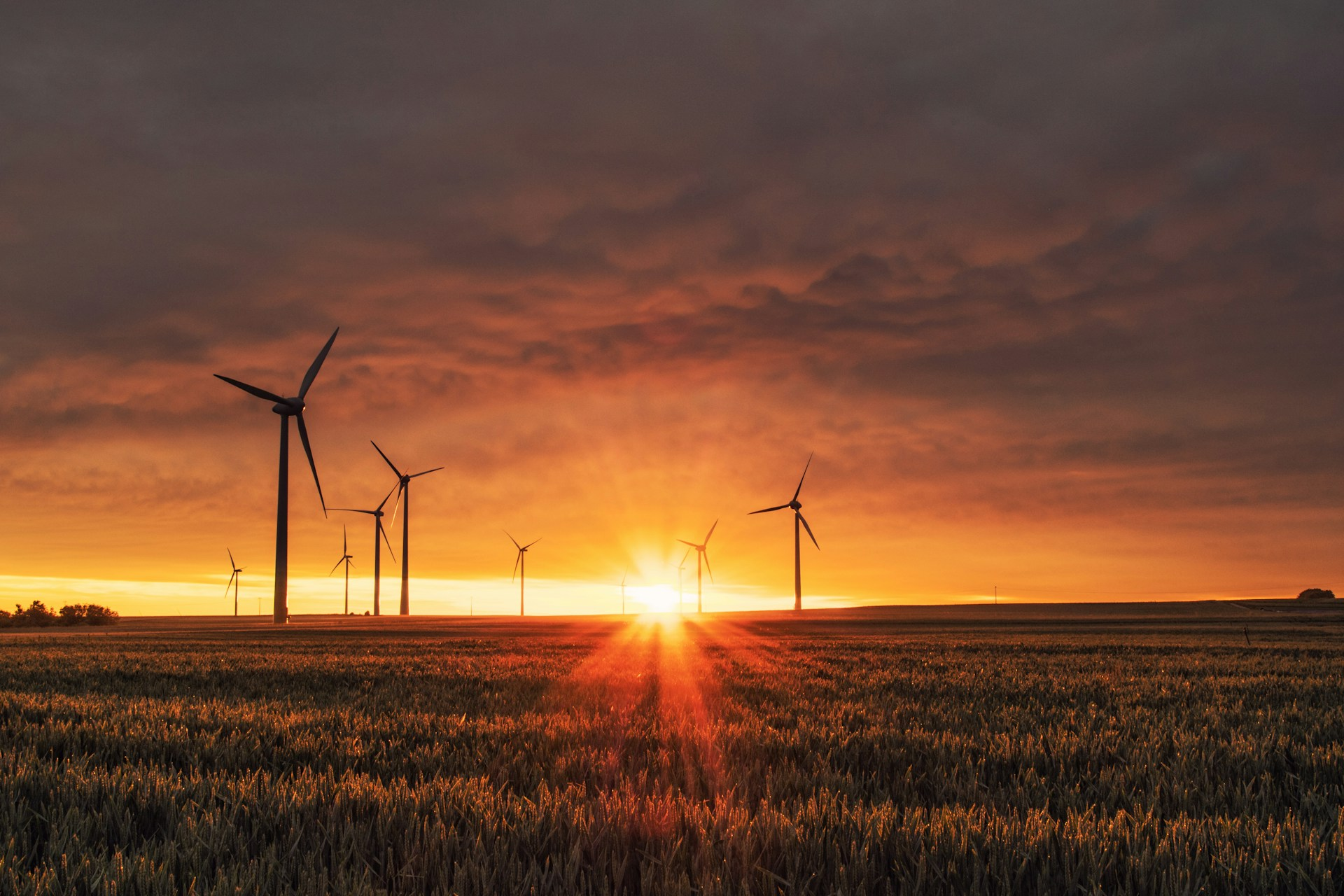
Germany’s offshore wind fleet has passed another major deployment threshold. More than 1GW entered operation during the first half of 2026, although a much larger awarded pipeline still awaits final investment decisions.
-
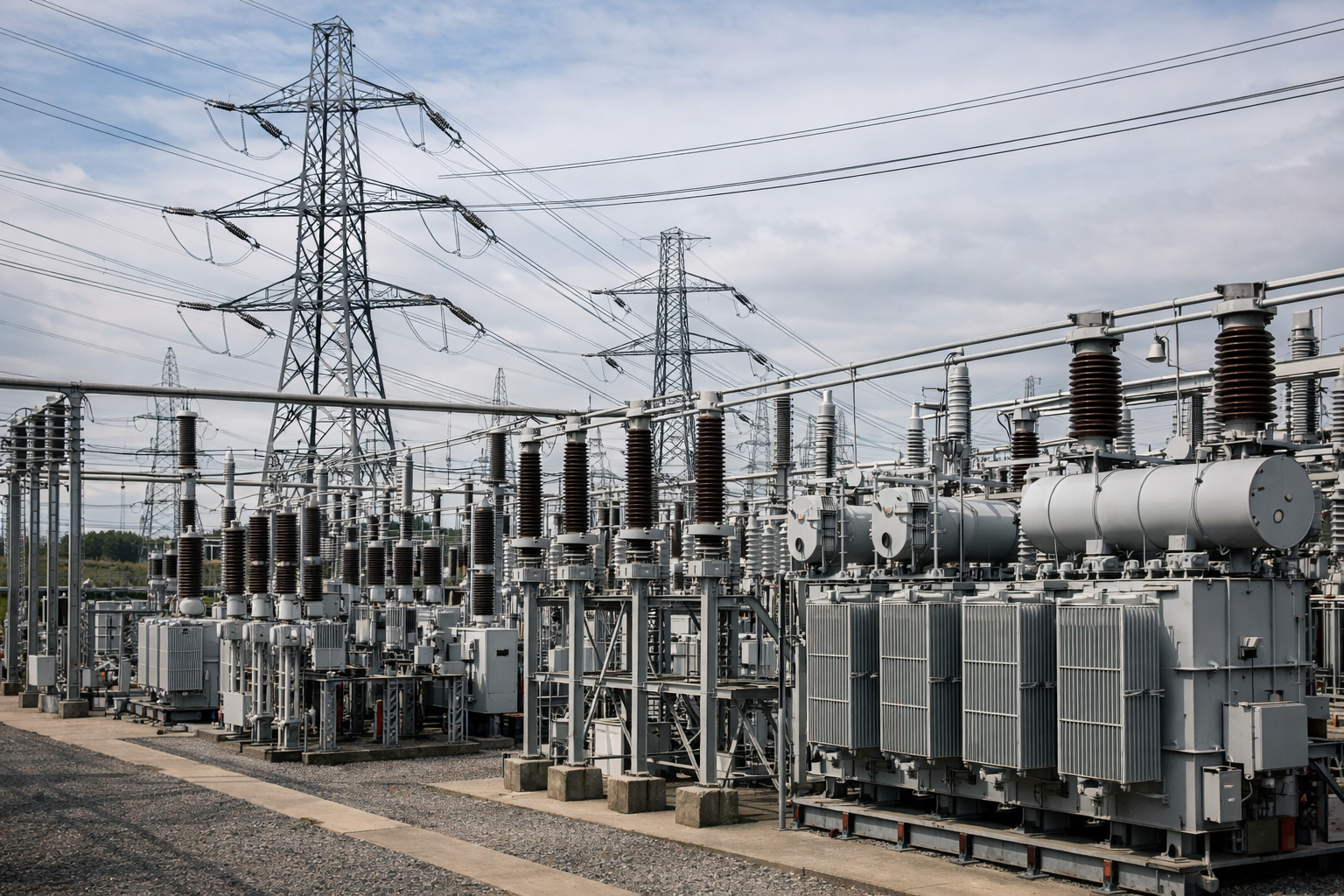
Romania’s battery pipeline is shifting decisively into large-scale construction activity. Projects totalling hundreds of megawatts are advancing through financing, engineering, and procurement as solar deployment increases demand for flexible network capacity.
-
Britain’s demand-flexibility service has delivered sharply higher summer reductions already. NESO has procured 4,739MWh since mid-April, more than twice the comparable volume delivered during 2025.
-
Germany’s Waltrop battery project has moved decisively into construction now. The 900MW system will place 1.8GWh of storage beside a former coal-fired power station, divided across three independently transformed blocks.
-
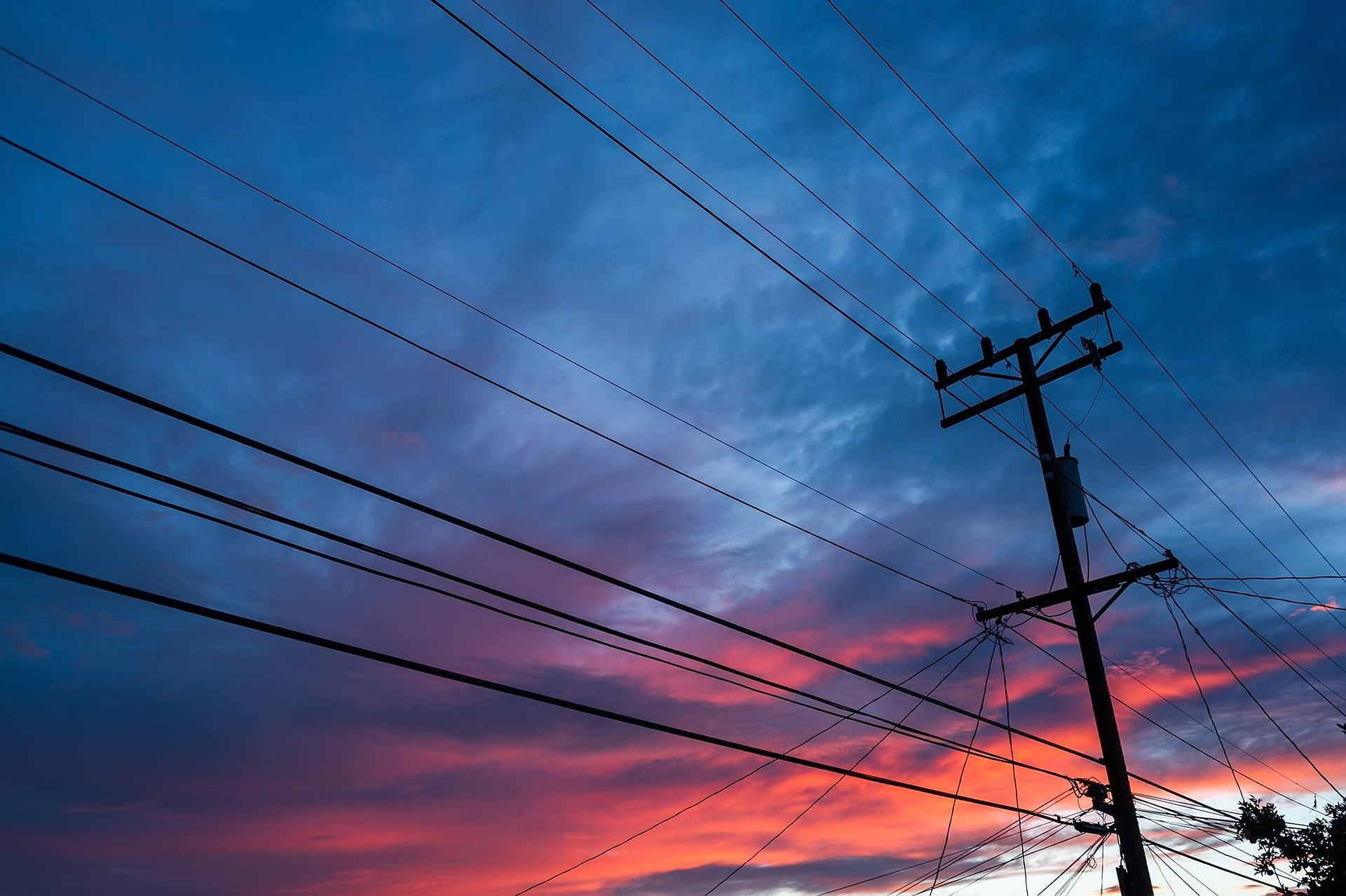
NESO will exclude distributed assets from reactive power market participation. Voltage problems originating within distribution networks will remain the responsibility of DNOs and emerging distribution-system operators.
-
EnBW has contracted battery capacity from Zelestra’s Emilia-Romagna storage project. The four-hour agreement supports construction of a 2GWh facility, with commercial operation expected during 2028.
-
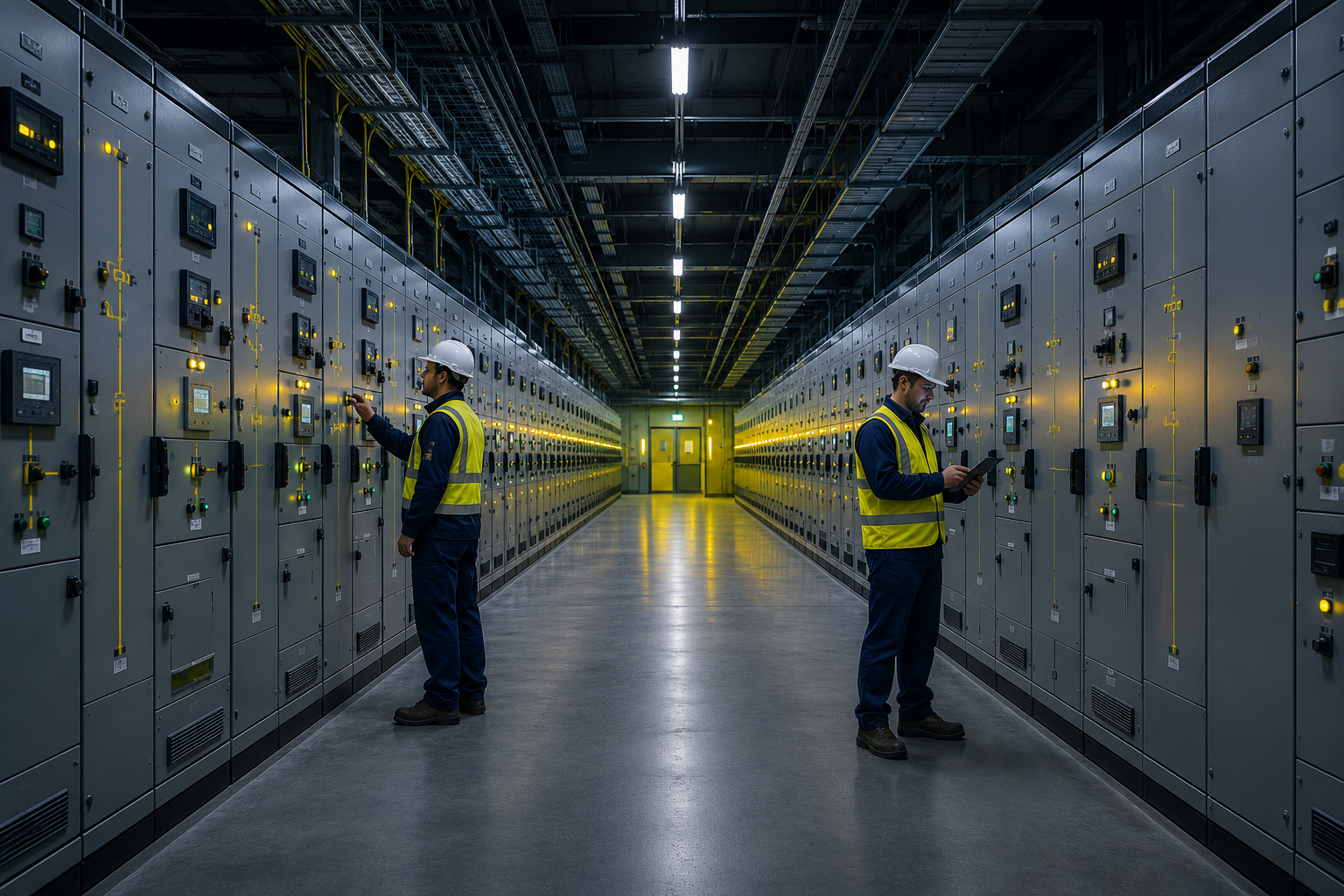
IMSERV has acquired arbnco to combine metering and building analytics. The transaction links interval data, retrofit modelling, compliance management, weather normalisation, carbon reporting, and investment planning within an expanded commercial energy-intelligence platform.
-

BEAMA warns environmental reporting design could impose disproportionate manufacturing costs. Its research supports consistent product data while arguing for multiple compliant routes, established lifecycle standards, and assessment methods suited to complex electrotechnical portfolios and supply chains.
-
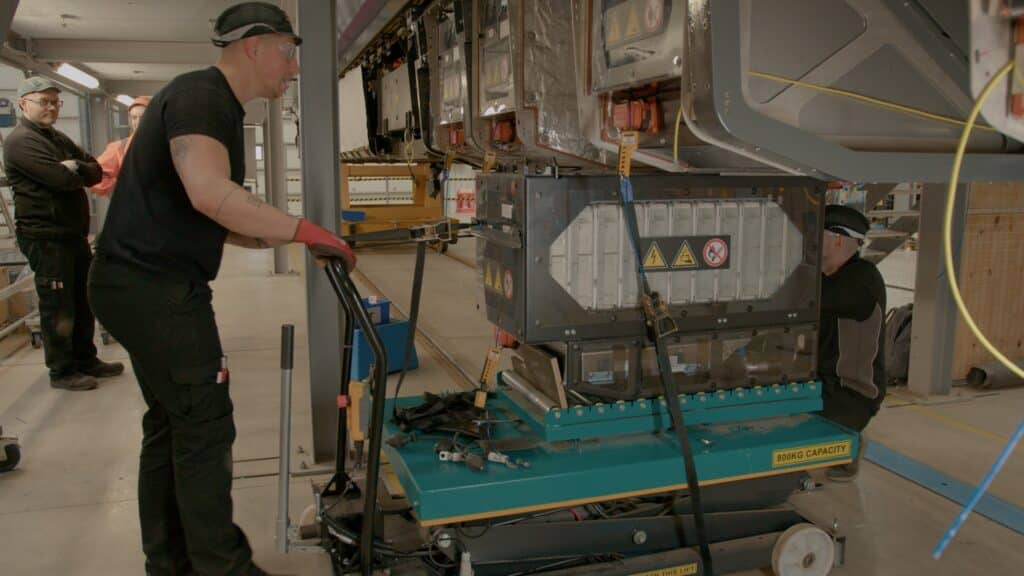
Turntide has started battery production for new Hitachi intercity trains. The LFP systems will support tri-mode operation, reduce diesel use on partially electrified routes, and establish a UK manufacturing base for rail traction battery systems.
-
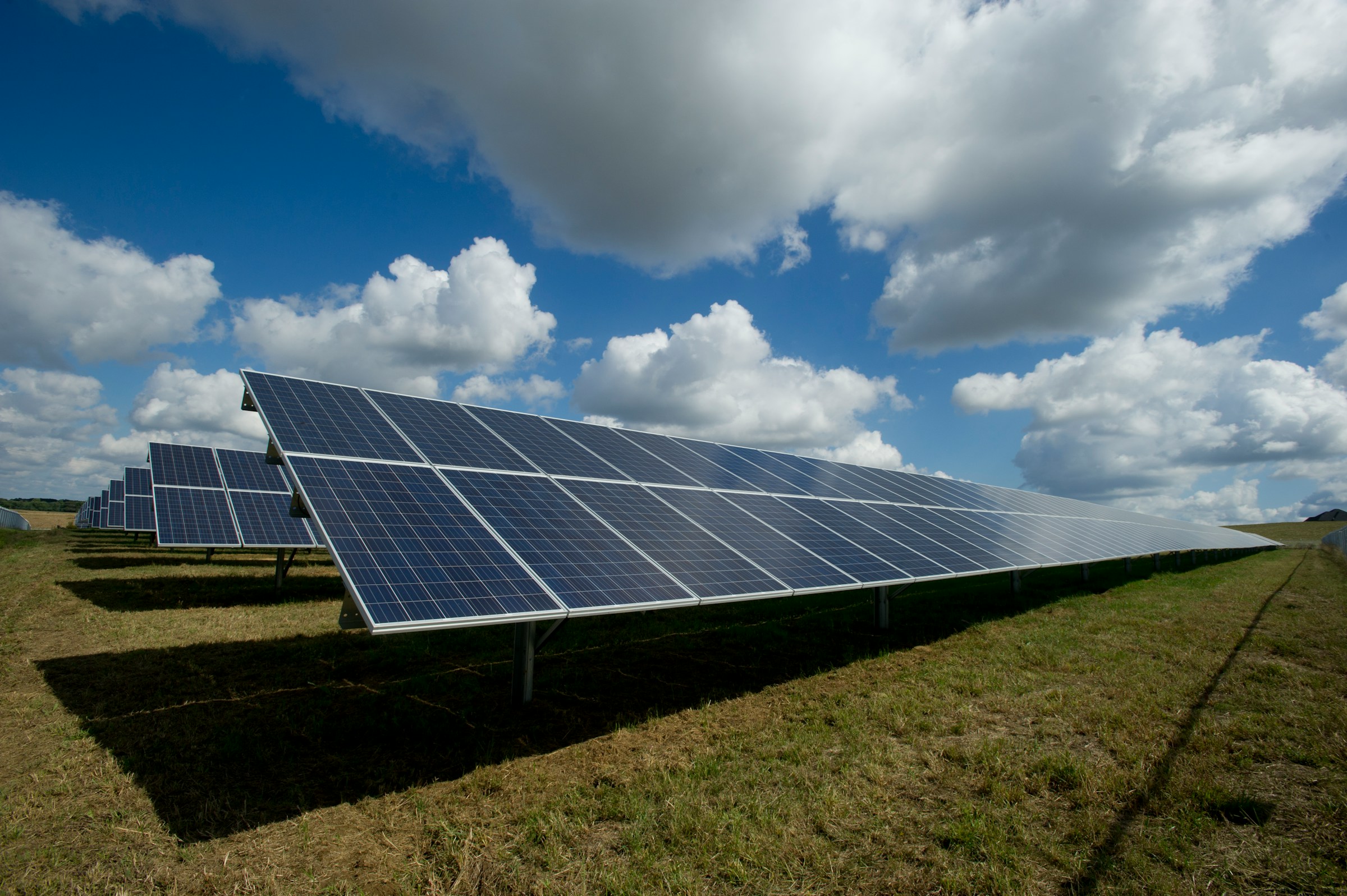
European solar generation avoided an estimated €20 billion gas bill. SolarPower Europe’s analysis links record photovoltaic output with reduced fuel exposure, while highlighting the storage, network, flexibility, and market reforms required to manage concentrated midday generation.