
Energy
—
-

Galp has expanded its Spanish wind portfolio through another acquisition. The €420 million transaction adds 15 operating projects, 361MW of capacity, and approximately 0.8TWh of annual generation.
-

Hybrid power agreements are gaining ground across Europe’s renewables markets. New pricing data shows storage increasingly combined with generation to reduce exposure to low-value and negative-price periods.
-
Labraza’s financing moves Basque wind development towards operation during 2027. A €29 million EIB loan supports the 40MW project, which will be the region’s first newly commissioned wind farm since 2006.
-
OMV Petrom has secured financing for new Romanian wind capacity. The permitted 50MW Gura Văii project should generate around 110GWh annually within a wider 1GW development portfolio.
-

Zenobē has acquired a major German battery storage development platform. The six-site, 1.75GW pipeline gives the company an immediate position in transmission-connected storage and emerging markets for grid-forming and system-support services.
-

Ofgem has extended its review of balancing-charge reset arrangements further. CMP474 and CMP475 would allow fixed BSUoS tariffs to change when balancing expenditure places exceptional pressure on NESO’s working-capital facility.
-

Ofgem proposes binding data-practice duties for licensed energy code managers. The consultation would place digitalisation strategies, interoperability, accessibility, and data-governance requirements within standard licence conditions.
-
NESO is increasing day-ahead restrictions across four electricity interconnector links. The change covers routes to Norway, Denmark, Belgium, and France where forecast flows could create unresolved British system-security constraints.
-
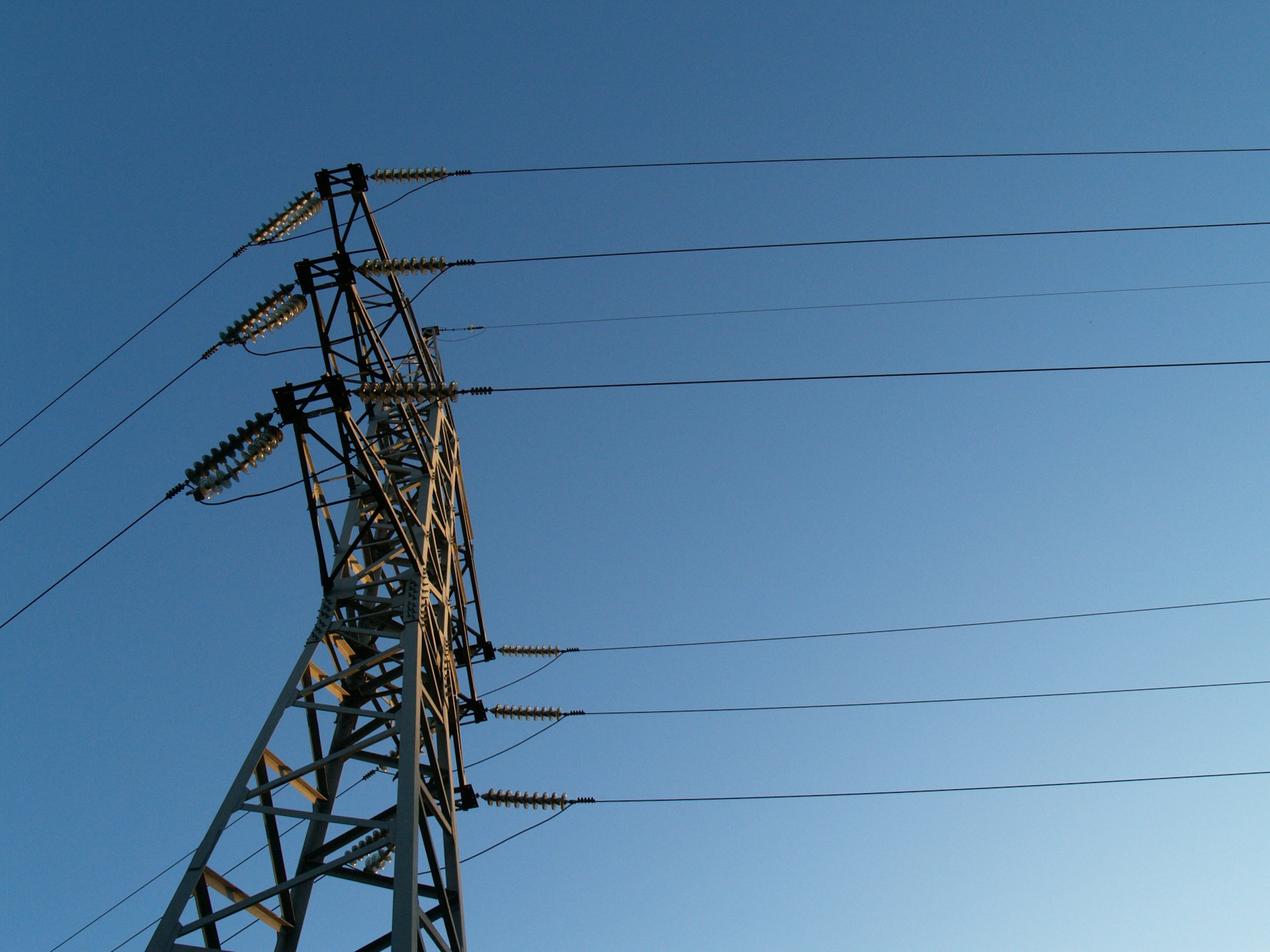
SP Energy Networks has advanced another major Scottish transmission reinforcement. Denny–Wishaw combines 400kV uprating, new overhead line, substation extensions, transformers, and cable work to release around 1GW of renewable capacity.
-

EDF has extended two British nuclear stations through March 2030. Heysham 1 and Hartlepool are expected to generate another 28TWh under continuing inspection, maintenance, and regulatory oversight.