IN Brief:
- Galp has bought 15 operational Spanish wind farms from Acciona Energía.
- The 361MW portfolio has an enterprise value of €420 million and carries no associated net debt.
- The acquisition raises Galp’s renewable capacity to 2.7GW and increases wind’s share of its generation mix.
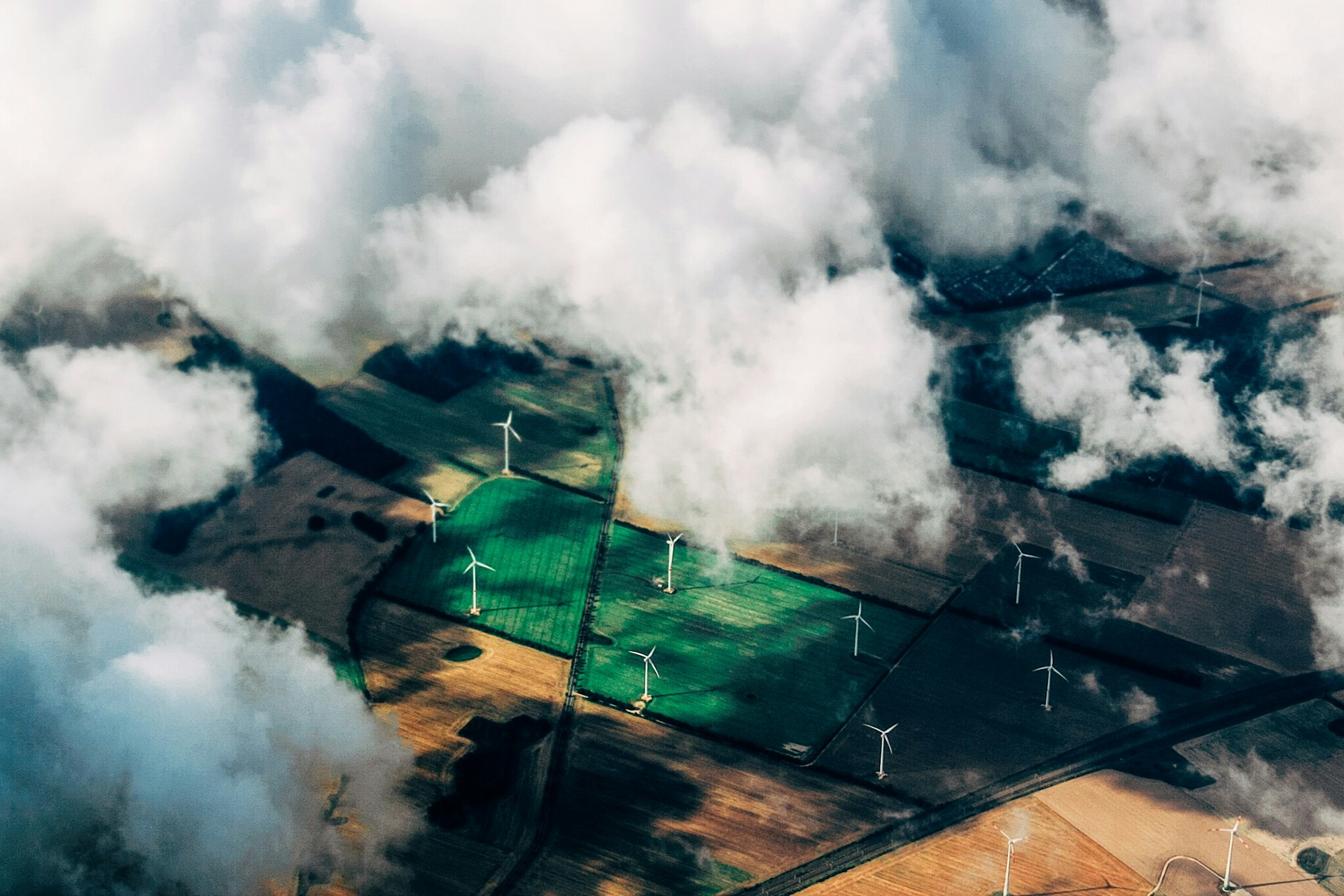
Galp has acquired 15 operational Spanish onshore wind farms from Acciona Energía, adding 361MW of capacity for an enterprise value of €420 million.
The portfolio is distributed across established wind regions and is expected to produce approximately 0.8TWh of electricity annually. With an average commercial operation date of 2005, the transaction gives Galp immediate generation and revenue while transferring responsibility for assets that have already accumulated around two decades of operating history.
All 15 wind farms currently operate on a merchant basis, exposing their revenues to wholesale electricity prices rather than relying entirely on fixed support arrangements or long-term offtake agreements. The acquisition was signed and completed simultaneously, with no conditions precedent and no associated net debt.
Galp’s installed renewable capacity will rise to 2.7GW, while expected annual production increases to approximately 5TWh. Wind will account for around 30% of the company’s renewable generation capacity, reducing its previous concentration in solar power and broadening the hourly and seasonal profile of its output.
Because the assets are already connected and operating, Galp avoids the permitting, construction, and energisation risks attached to an early-stage development portfolio. It instead assumes lifecycle risks involving turbine condition, remaining useful life, service support, component obsolescence, and potential repowering.
Operating assets gain value as development risk rises
European renewable portfolios are increasingly being reshaped through acquisitions and disposals as developers recycle capital into new construction and buyers seek immediate operating scale. Existing wind farms carry production history and established connection rights, allowing output, availability, and operating expenditure to be assessed more accurately than for unbuilt projects.
The Spanish portfolio also improves technological diversity within Galp’s renewable fleet. Wind and solar generation are not perfectly complementary, but their different daily and seasonal profiles can reduce exposure to periods when concentrated solar production depresses wholesale prices across the market.
Connection rights have acquired particular value as Spanish renewable development accelerates. Galileo’s recent securing of grid positions for 700MW of Spanish projects demonstrated the importance of future network access, whereas Galp’s acquisition provides capacity that is already energised and generating.
Merchant operation offers exposure to periods of high electricity prices but also leaves the portfolio vulnerable when strong regional wind output lowers prices or network congestion restricts export. Portfolio scale can improve forecasting, trading, maintenance planning, and spare-parts management, although each site retains distinct wind conditions and equipment characteristics.
Assets commissioned around 2005 may require drivetrain inspections, blade repairs, transformer assessment, switchgear renewal, cable testing, and replacement of obsolete controls. Where original equipment manufacturers no longer support all components, owners may rely increasingly on refurbished parts, independent service providers, and control-system retrofits.
Life extension must be compared with repowering, which can increase output by replacing older machines with fewer, larger turbines. Repowering may use an established site and connection, but it generally requires fresh planning approval, revised environmental assessment, new civil works, updated grid studies, and confirmation that additional export capacity is available.
The age profile also increases the importance of accurate failure data and condition monitoring. Gearbox vibration, generator temperatures, blade condition, oil analysis, transformer diagnostics, and breaker performance can determine whether maintenance is scheduled during low-value periods or follows an unplanned outage.
Galp has indicated that the enlarged portfolio could support alternative ownership or financing structures. Operating renewable assets are frequently used for minority partnerships, asset rotations, or project-level refinancing because their historic performance allows investors and lenders to assess risk against measured production.
The acquisition increases Galp Renewables’ expected earnings on a pro-forma basis, but long-term value will depend on availability and disciplined lifecycle expenditure. Spain’s wind sector now combines a large development pipeline with a growing fleet of mature assets, placing operating optimisation and repowering alongside new construction as central parts of the market.