IN Brief:
- Elia Group is testing a high-emissivity coating intended to keep loaded overhead conductors cooler.
- Nominal-current calculations indicate potential capacity gains of approximately 11% to 15%, depending on conductor type.
- Live-line robotic application could provide interim headroom before structural transmission reinforcement is completed.
Elia Group is testing a high-emissivity coating that could increase the usable current capacity of existing overhead conductors without replacing the line, with early calculations indicating gains of approximately 11% to 15%.
The Elia Group AssetCool project is examining whether changing the thermal characteristics of a conductor can release additional transfer capacity while conventional network reinforcement remains under development.
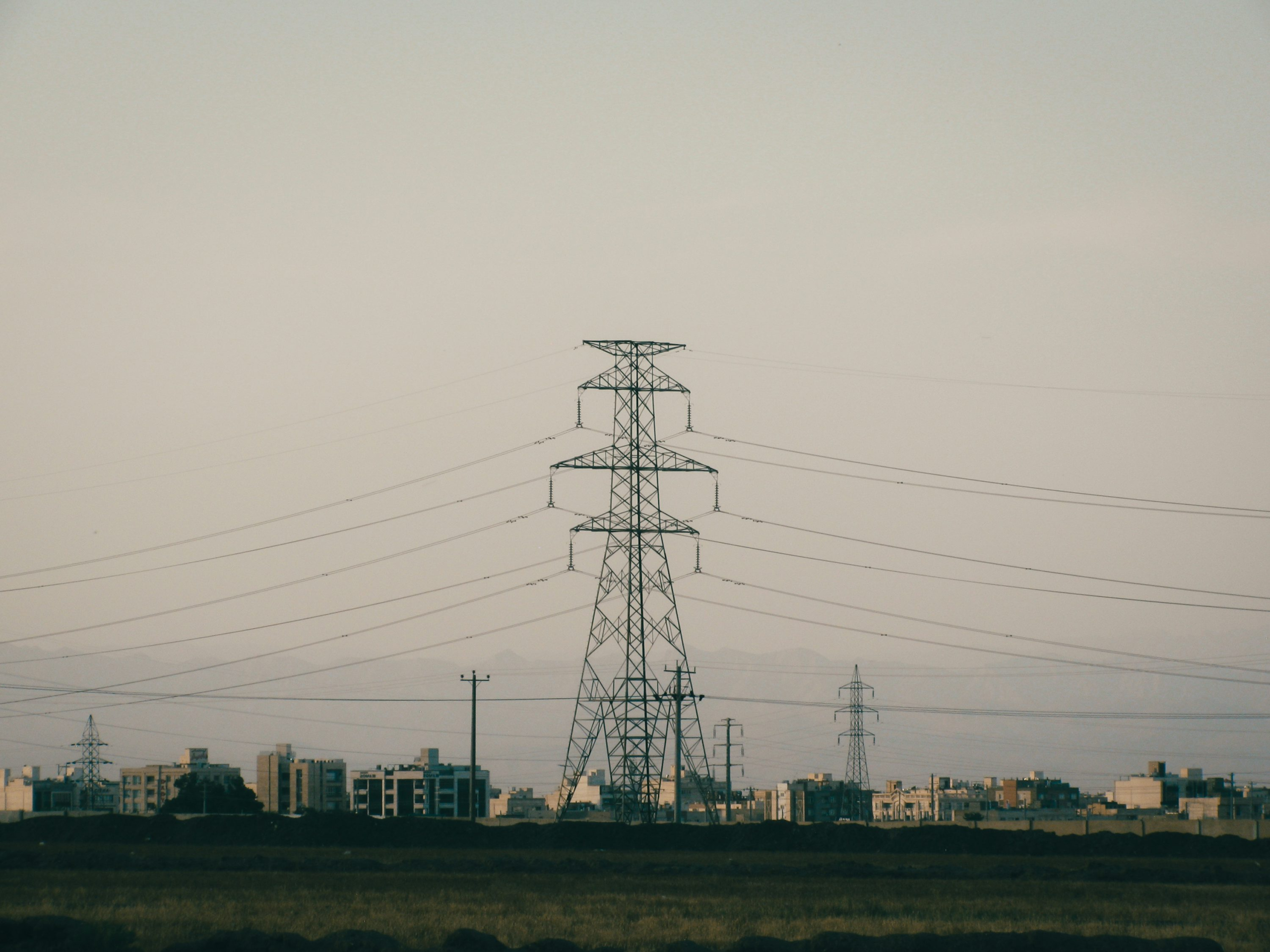
Overhead-line ratings are constrained partly by temperature. Electrical resistance heats a conductor as current rises, solar radiation adds another source of heat, and the resulting thermal expansion increases sag between towers. Operators therefore limit current so that conductor temperature and statutory clearances remain within permitted values.
The coating is designed to alter that heat balance by increasing solar reflection and improving heat dissipation. A cooler conductor can potentially carry more current before reaching the same thermal limit, allowing additional capacity to be extracted from equipment that is already installed.
Capacity uplift without reconductoring
Elia’s nominal-current calculations indicate a theoretical gain of roughly 11% to 15%, depending on conductor type, including a calculated 14.6% increase for an AMS445 conductor. Those numbers remain modelling results rather than field-proven operating ratings, and durability testing is continuing before a live network trial is considered.
The distinction is important because transmission equipment is expected to perform predictably over long periods and under widely varying environmental conditions. A coating that works when newly applied still has to retain its thermal properties after exposure to ultraviolet radiation, weather, pollution, mechanical contact, and normal maintenance activity.
Elia is therefore carrying out laboratory characterisation and maintenance-related testing to examine ageing and operational behaviour. Subject to successful validation, the company is targeting a field pilot at the end of 2027 or beginning of 2028.
Application is another unusual part of the project. The proposed process uses robots on the live conductor, with one machine cleaning the surface and a second applying the coating. Elia is also examining whether recent drone developments could support installation.
A viable live-line process would improve the commercial case because transmission outages are increasingly difficult to arrange on heavily utilised networks. Taking an important circuit out of service to increase its future capacity can temporarily worsen the very congestion the reinforcement is intended to address.
The coating does not create an entirely new transmission route, nor does it remove constraints elsewhere in the network. Transformers, switchgear, substations, stability limits, protection settings, and adjacent circuits can all become the next bottleneck even if the conductor itself is able to carry more current.
Grid-enhancing technologies move towards the mainstream
Its potential value lies instead in incremental headroom and deployment speed. New overhead routes can spend years in planning, permitting, land negotiations, procurement, and construction, while full reconductoring still requires significant engineering work and outage management.
Transmission operators are consequently examining several methods of extracting more capacity from existing corridors. Dynamic line rating uses real-time measurements and weather conditions to calculate how much current a conductor can carry safely, replacing some of the conservatism built into static ratings.
High-temperature low-sag conductors offer another route where replacement is justified. AssetCool tackles the same thermal limit from a different direction by modifying the surface characteristics of the existing conductor itself.
The approaches are potentially complementary. A conductor with improved heat dissipation could still be monitored dynamically, although any combined operating methodology would require system-specific validation rather than simply adding the theoretical capacity gains of two technologies together.
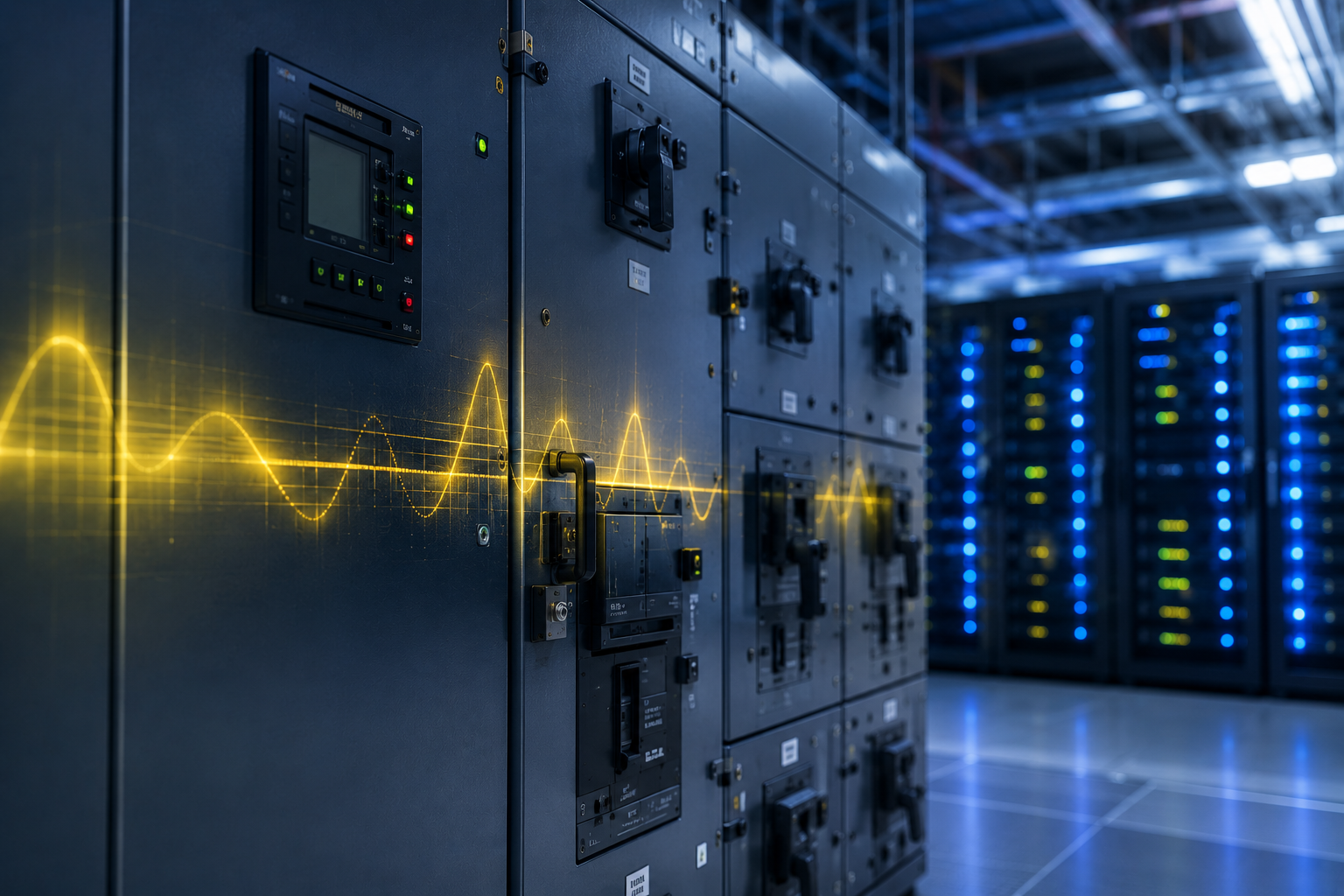
Congestion is making those options more valuable. Renewable projects are frequently located far from major demand centres, while electrification is increasing industrial, transport, heating, and data-centre loads in areas where existing networks were designed for very different power flows.
That does not reduce the requirement for new substations, overhead lines, underground cables, and interconnectors. Grid-enhancing technologies instead provide operators with options for increasing utilisation while larger capital projects work through development.
Elia’s own early business-case assessment suggests the coating could be attractive where additional capacity is required before structural reinforcement is completed. That is a narrower claim than presenting it as an alternative to transmission construction, and a more credible one.
The next two years will determine whether the thermal gain survives contact with the operating environment. If it does, a percentage increase that looks modest beside a new transmission corridor could still be useful on networks where an extra 10% of transfer capability is worth considerably more than another year spent waiting for steel, conductors, permits, and outages.