
Distribution
—
-
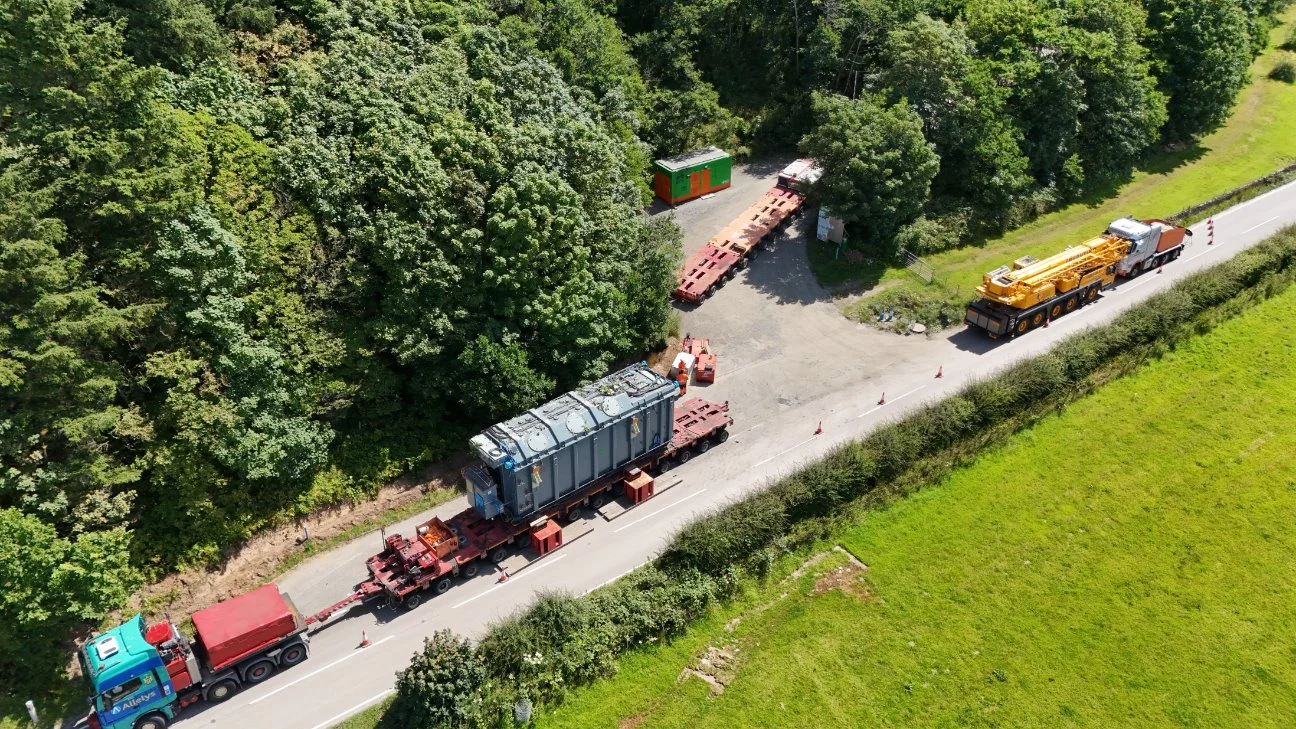
Crossaig North substation has received its first new supergrid transformer. The 480MVA, 275/132kV unit forms part of a wider reinforcement programme carrying renewable electricity from Argyll and Kintyre.
-
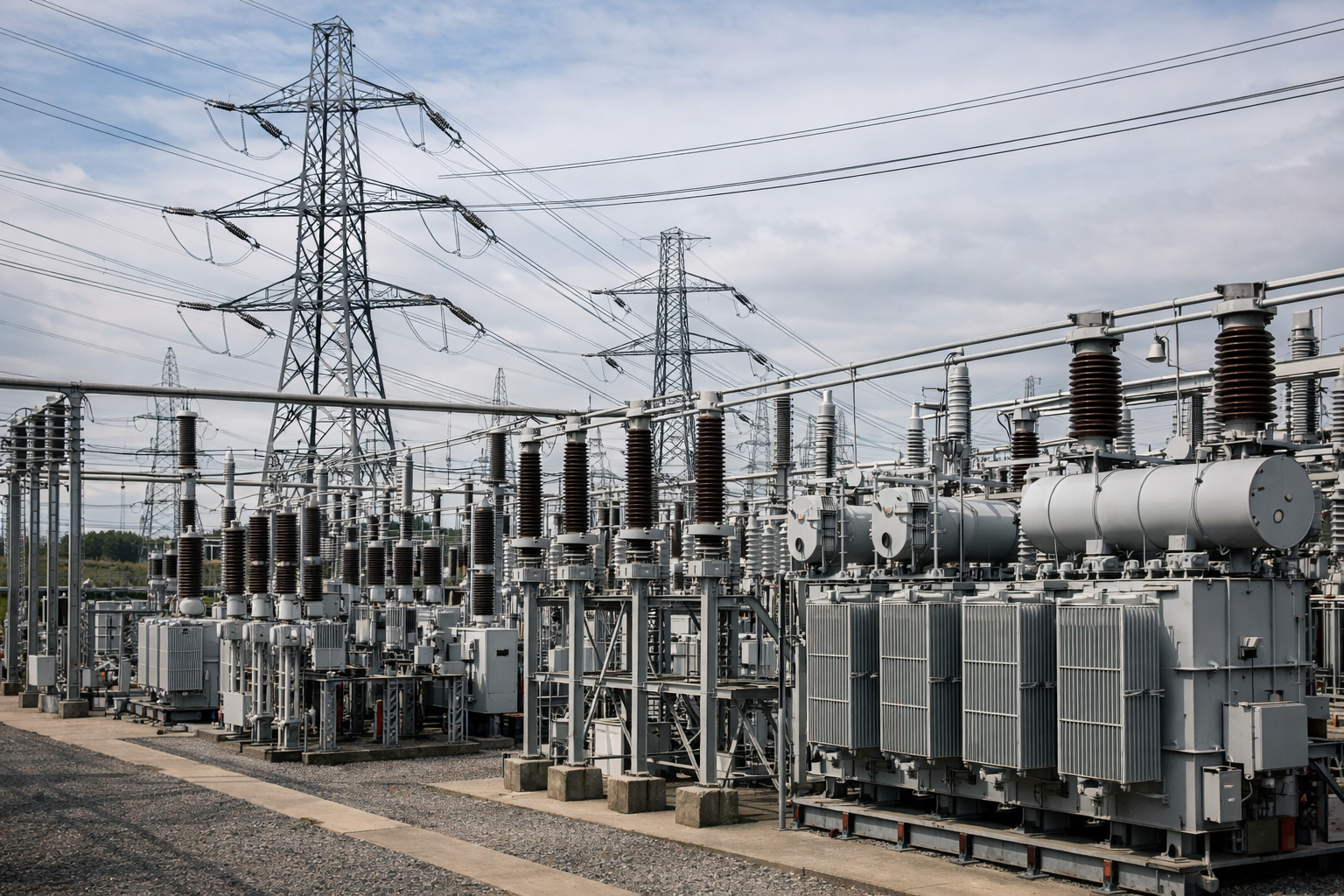
Civil works have started on Dublin’s Poolbeg substation upgrade programme. The rebuilt 220kV hub will support 1.6GW of new generation and demand, with operation targeted for Q4 2028.
-
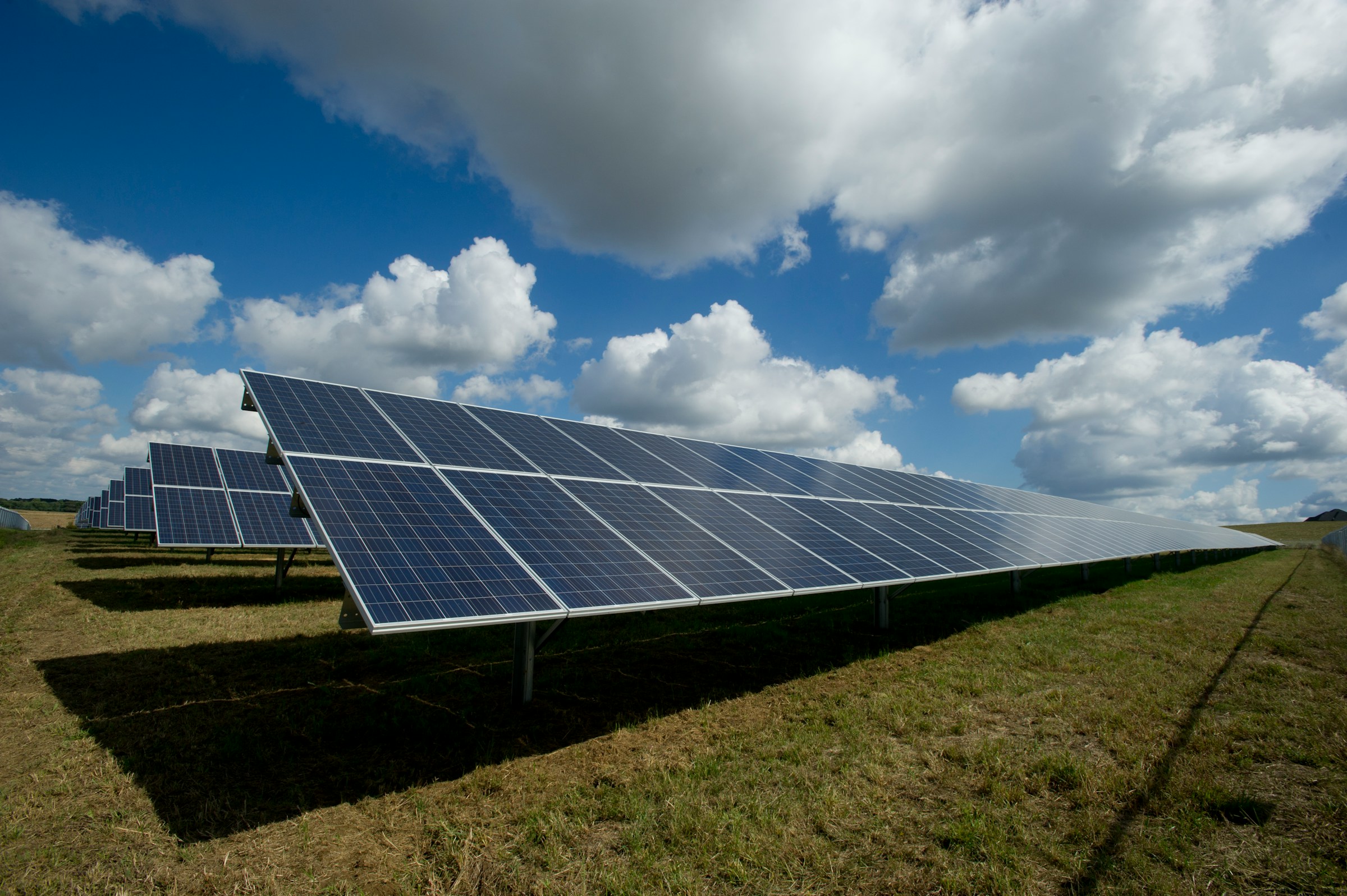
Cape Town has signed its first independent power purchase agreements. The two 20-year solar contracts cover 70MW of generation connected to the municipal grid, with prices below current Eskom supply rates.
-
SSEN is extending works on Aberdeen’s underground transmission cable replacement. Water ingress in existing ducts has blocked the final cable section on the 5km double-circuit 132kV Redmoss–Clayhills route.
-
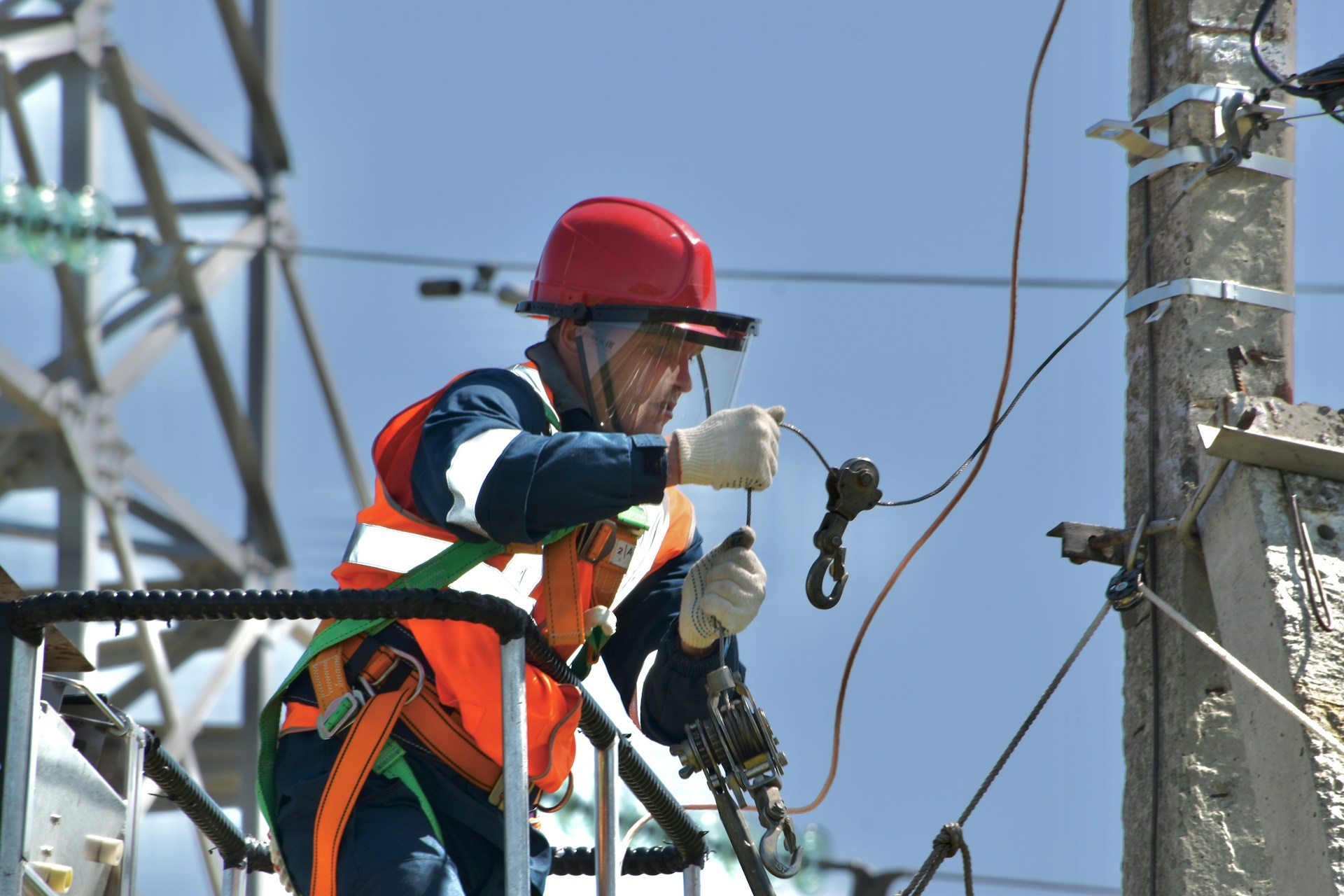
SSEN Transmission is starting Faebait works for Western Isles HVDC. The temporary mainland compound will support later underground cable activity on the 1.8GW island-to-mainland transmission link.
-
GE Vernova will deliver Chesterfield’s new 400kV GIS substation infrastructure. The package spans design, protection and control, installation, commissioning, network integration, and removal of existing equipment.
-

Eurowind Energy secured Romanian grid approvals covering 2.3GW renewables capacity. Seven wind, solar, and storage projects are planned for connection after 2030, subject to reinforcement and construction permits.
-
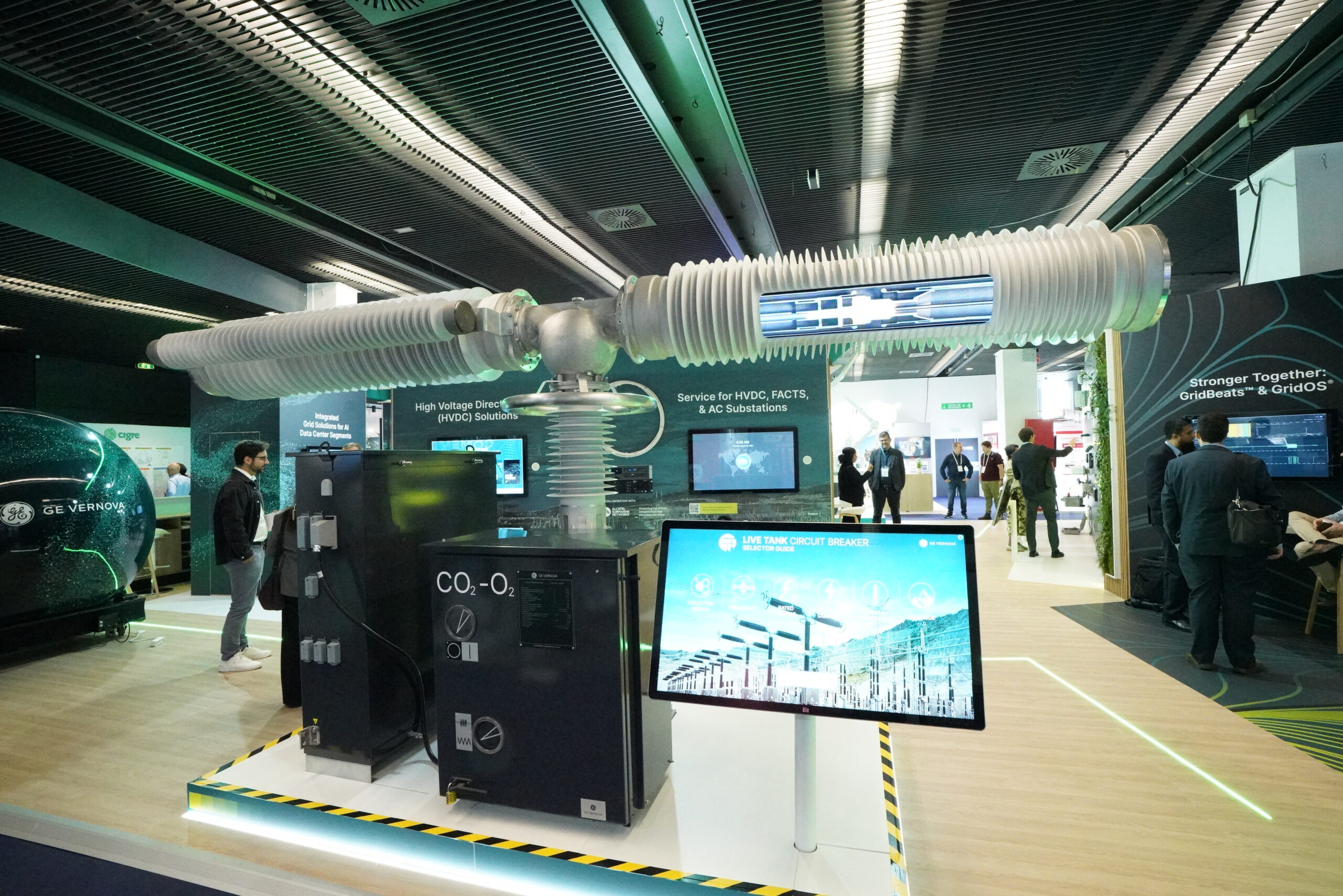
GE Vernova has launched SF6-free switching technology for 420kV networks. The GL316c raises its live-tank platform to a 63kA short-circuit rating using a CO2/O2 gas mixture.
-
EIB financing approvals add fresh backing for European power infrastructure. The €9.2bn package includes electricity networks in Germany and Greece, Italian solar, and Lithuanian district heating.
-
Statnett increased Norwegian grid investment sharply during 2026’s first half. Spending reached NOK6.4bn as the transmission operator expanded its active development portfolio to 271 projects and released additional capacity from existing assets.