
Distribution
—
-
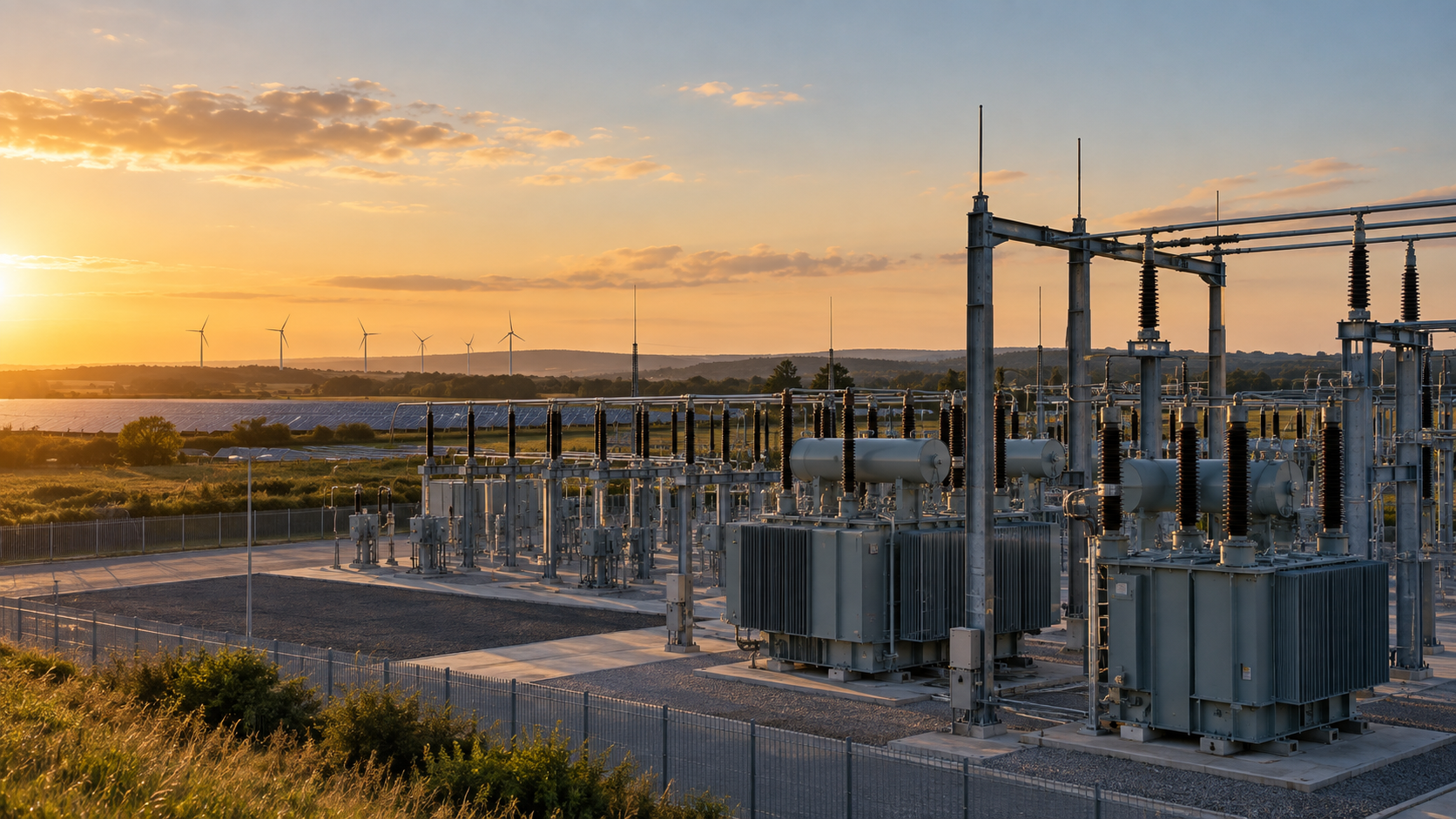
Modern grid infrastructure will determine whether net zero ambitions succeed. David Grall, VP for Sustainability & Corporate Transformation at Nexans, argues that resilient electrical networks must advance alongside renewable generation.
-
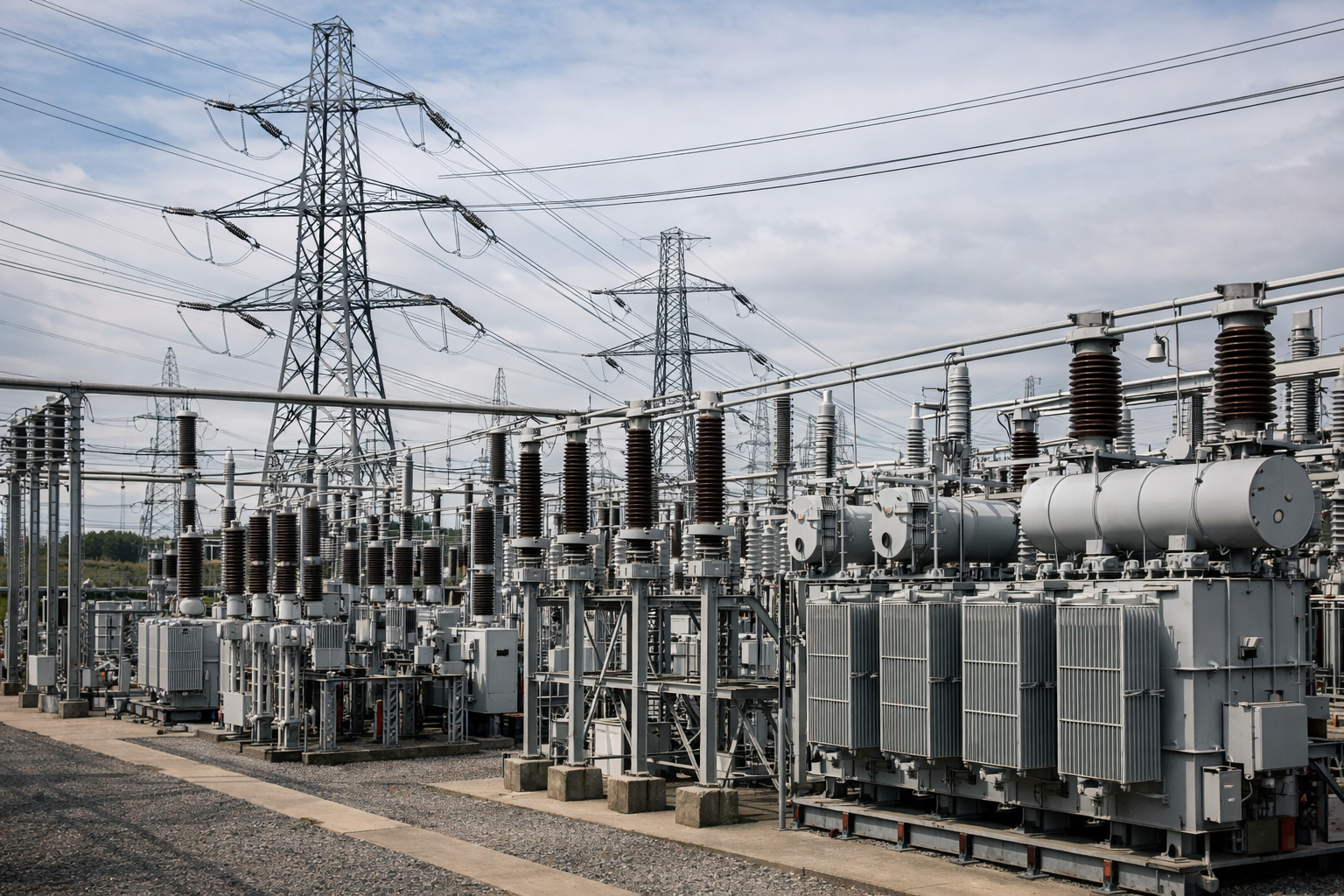
Iberdrola awarded €30m across storage and mobile-substation contracts in Spain. Ingeteam takes €25m of BESS work, while Ormazabal will design, manufacture, and supply two mobile substations for network operations.
-
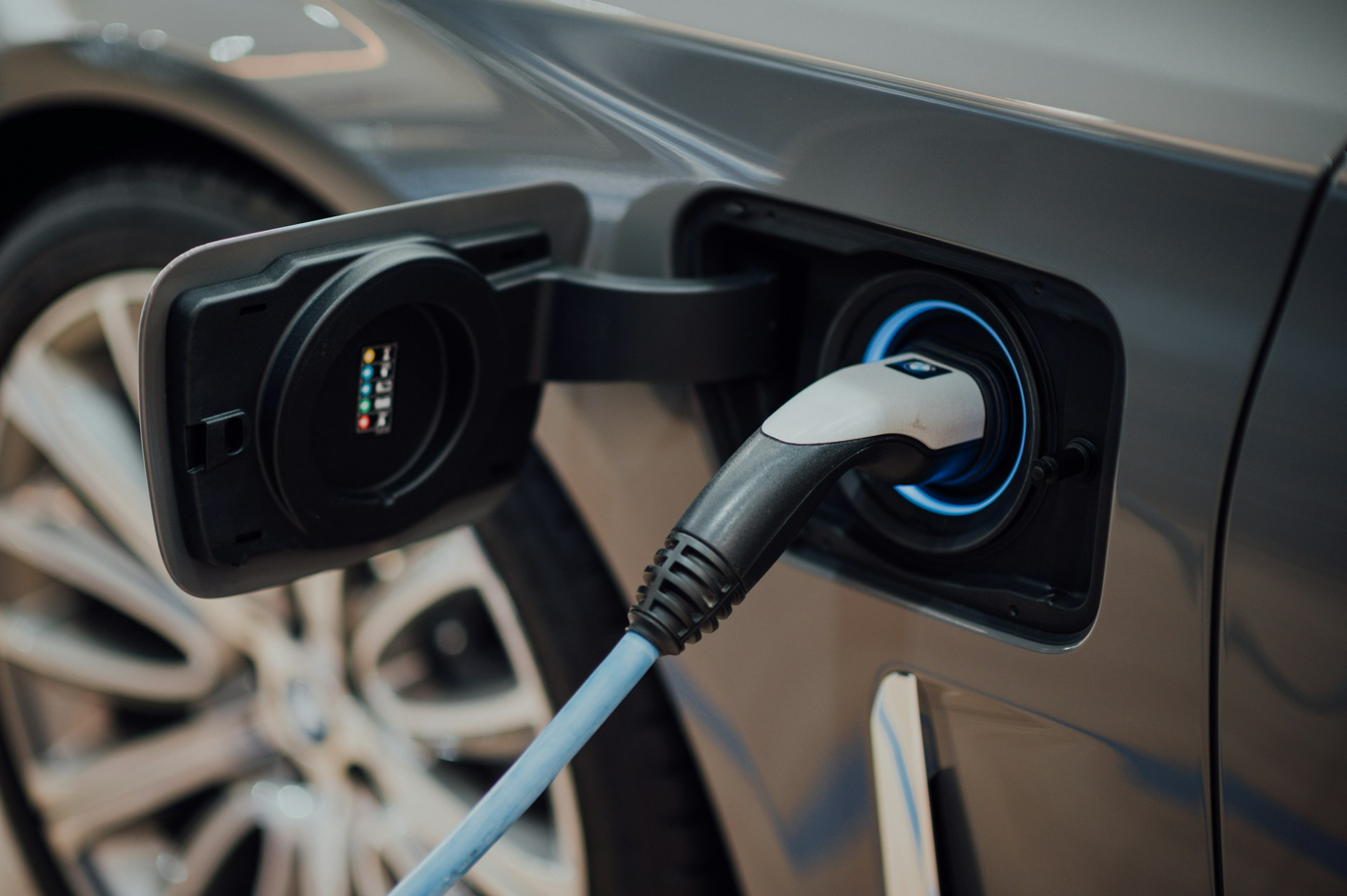
Smart charging could cut Europe’s EV-related grid investment by €10.6bn. Siemens modelling across 64 urban centres still identifies €14.1bn of physical reinforcement by 2030 even with intelligent load management.
-
Lidl will invest £10m expanding rapid chargers at British stores. Around 100 new units are planned at existing locations this financial year, alongside charging at most newly built stores.
-
Motorway charging grants failed to fund any electricity network upgrades. A new DfT evaluation says risk allocation, long investment horizons, grid processes, and planning constraints undermined the £70m pilot.
-
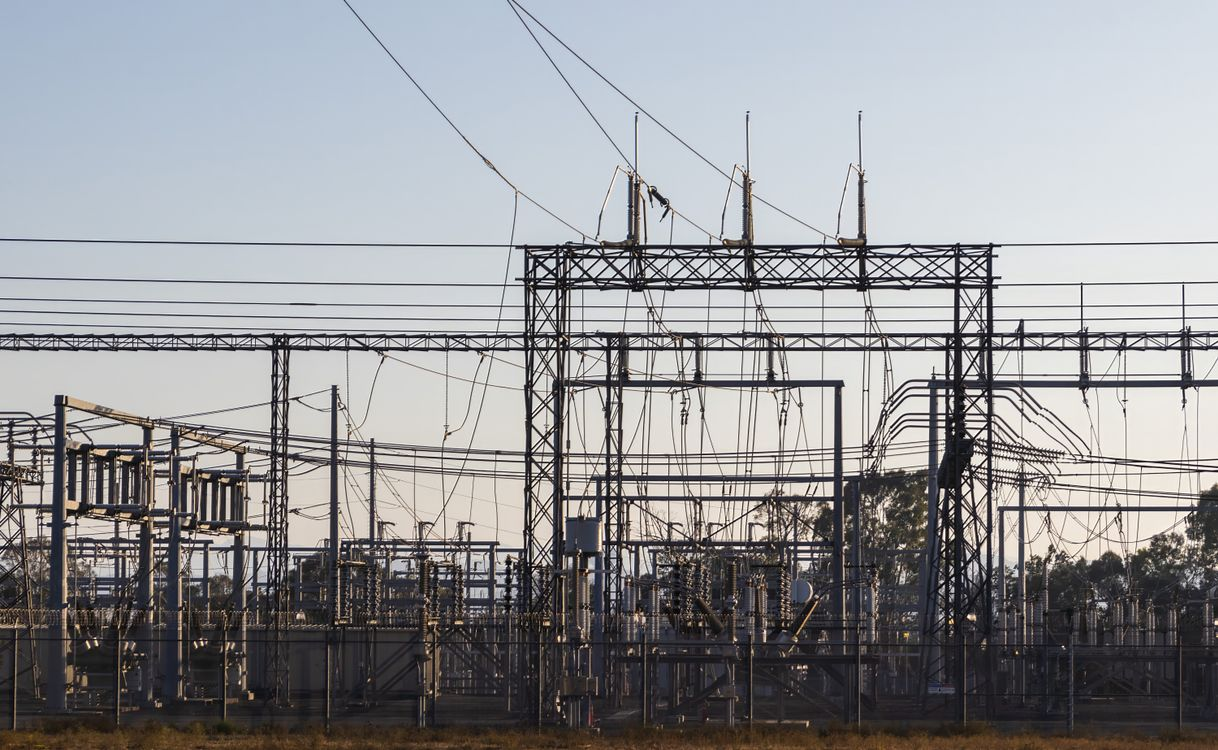
National Grid has refined a major East Midlands reinforcement project. The revised scheme includes 60km of new 400kV line, two substations, and 66km of upgrades across three counties.
-
Hanab will build Sirius battery’s new 220kV transmission connection infrastructure. The scope covers a high-voltage station, cable link, engineering, testing, and handover for Return’s 200MW/800MWh Dutch storage project.
-
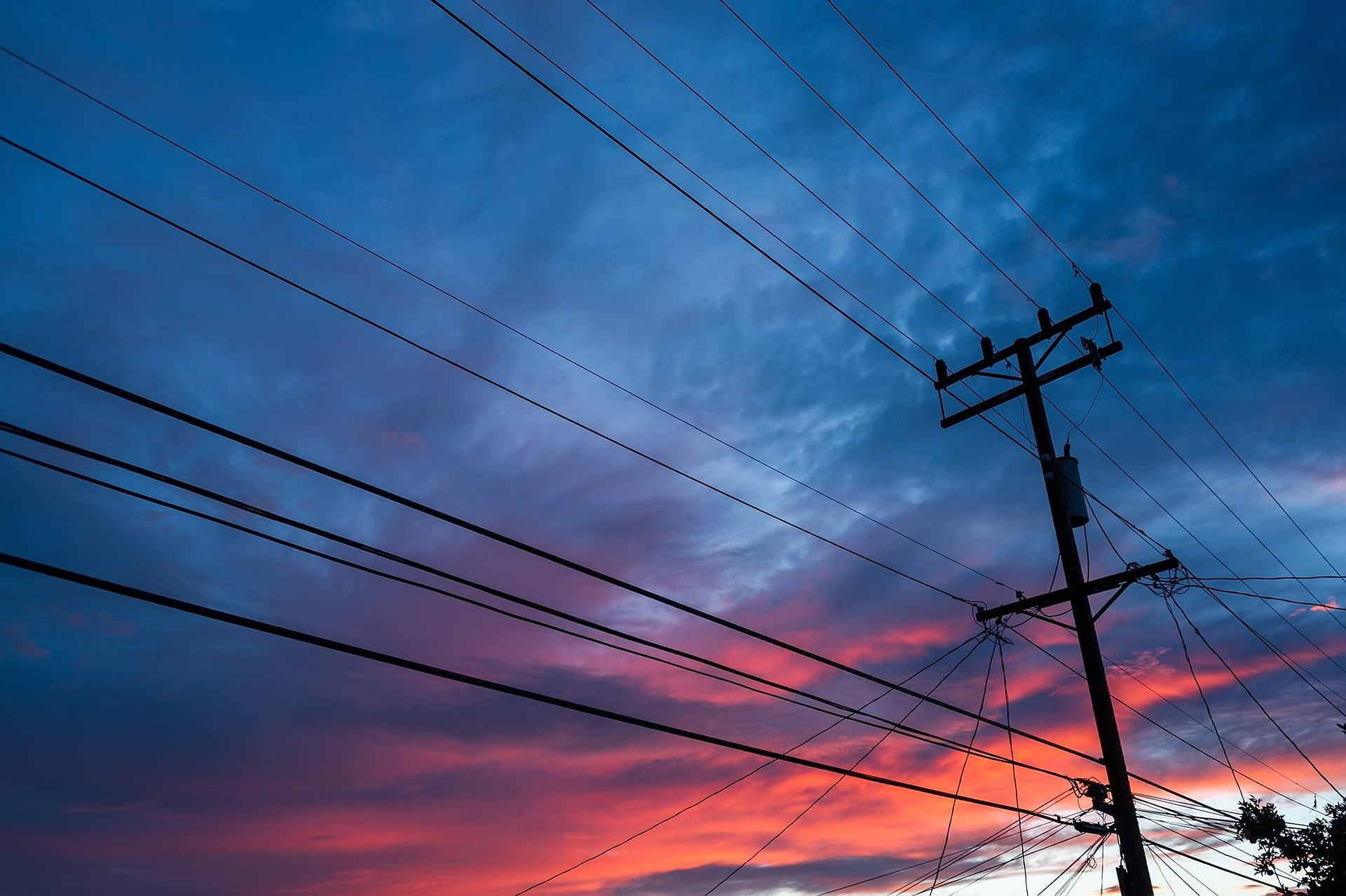
Tata Power has commissioned Jalpura-Khurja transmission infrastructure in Uttar Pradesh. The second project element adds 162 circuit kilometres of 400kV line and a 1,000MVA GIS substation serving growing NCR demand.
-
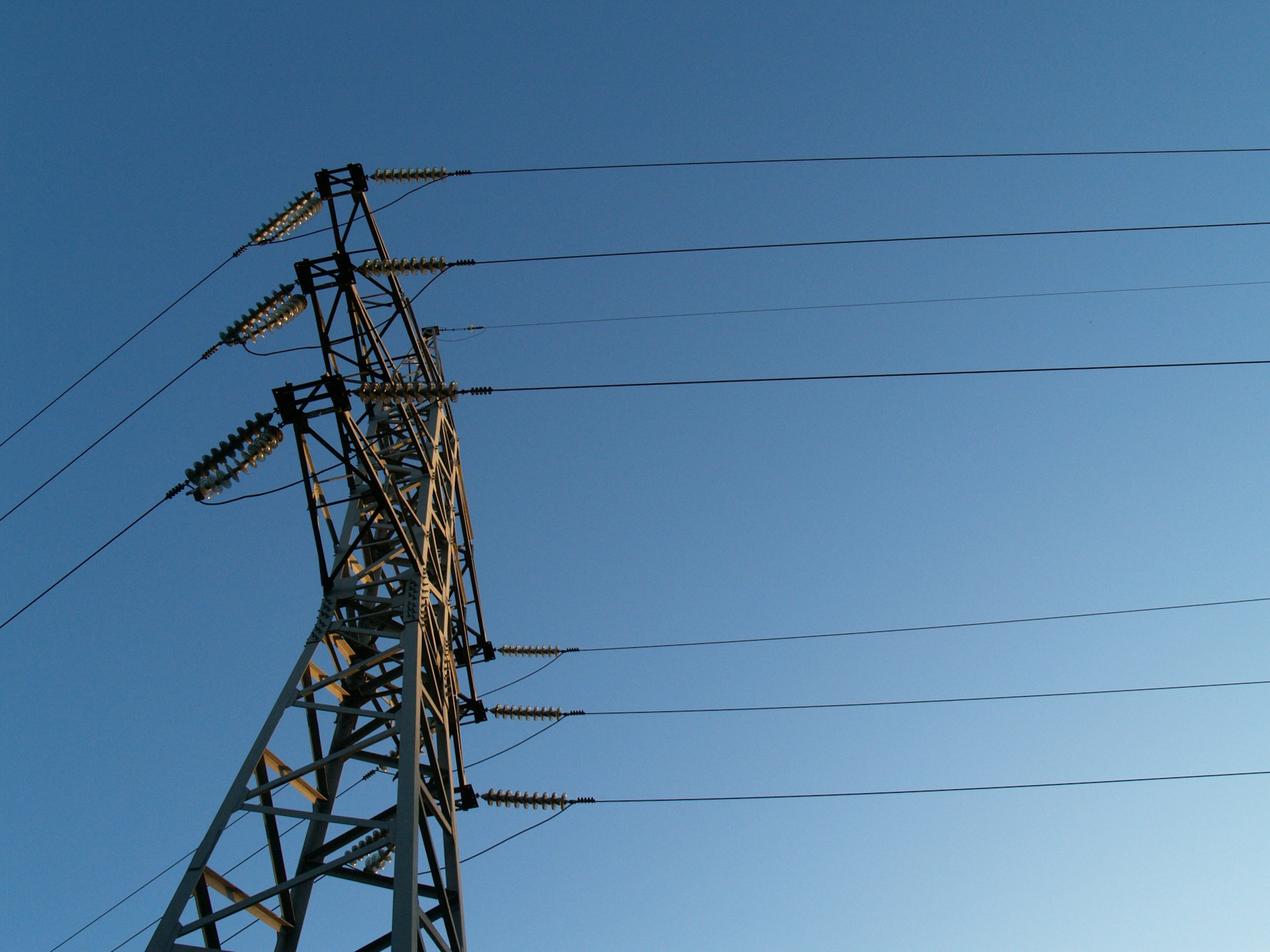
Linxon has started engineering for National Grid’s Middleton substation extension. Initial work covers SF6-free 400kV GIS and long-lead procurement before potential construction, installation, testing, and commissioning phases.
-
Hitachi Energy is adding German supply for SF6-free switchgear gas. Daikin will produce C4-FN in Frankfurt from 2027, strengthening European supply for EconiQ high-voltage equipment as EU restrictions on fluorinated gases tighten.