
Distribution
—
-

National Grid’s reinforcement pipeline is being reshaped by demand growth. The transmission operator has submitted £4.5bn of re-opener proposals to Ofgem, with data centre load forming part of the case for additional network investment.
-
Siemens Energy has agreed to acquire Northern Ireland-based Camlin Group. The deal adds grid monitoring, analytics, and asset digitalisation to its digital network portfolio.
-
Eesti Energia has secured EIB support for green-bond investment programme. The €300m issue will fund renewables, electricity networks, battery storage, and EV charging infrastructure across Estonia and the Baltic region.
-
Turkey is advancing a Caspian-to-Europe green electricity corridor proposal plan. The project would link Azerbaijan, Georgia, Turkey, Bulgaria, and south-east European markets through expanded transmission and power-trading infrastructure.
-
Europe’s distribution grids are blocking major renewable and storage projects. Queues across eight markets now include 375GW of renewables and 455GW of battery storage, placing distribution-network access at the centre of Europe’s clean-energy delivery challenge.
-
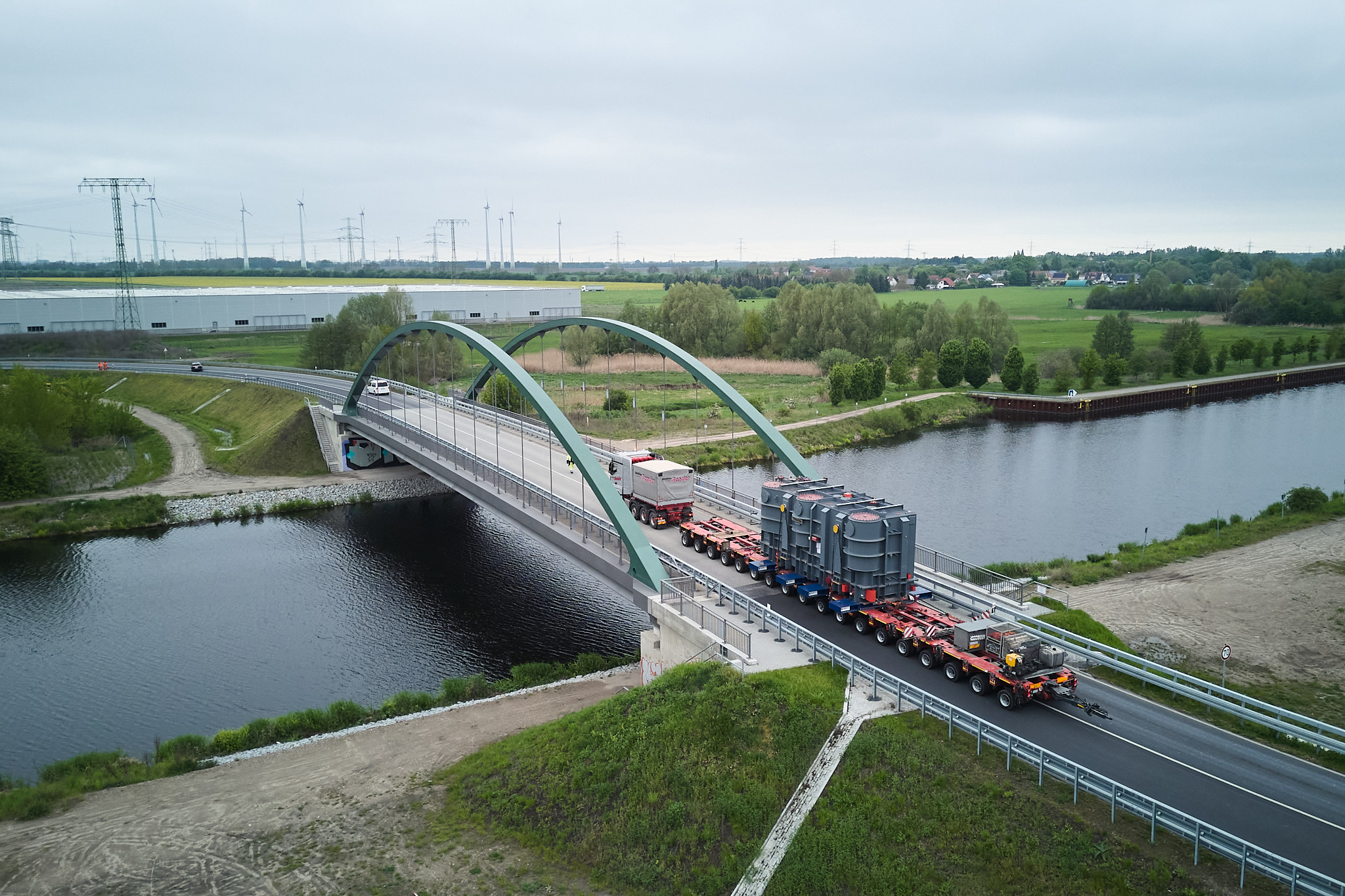
VIRTUS has installed 185MVA transformers at its Wustermark campus development. The Berlin/Brandenburg site will connect at 380kV through a dedicated high-voltage power architecture.
-
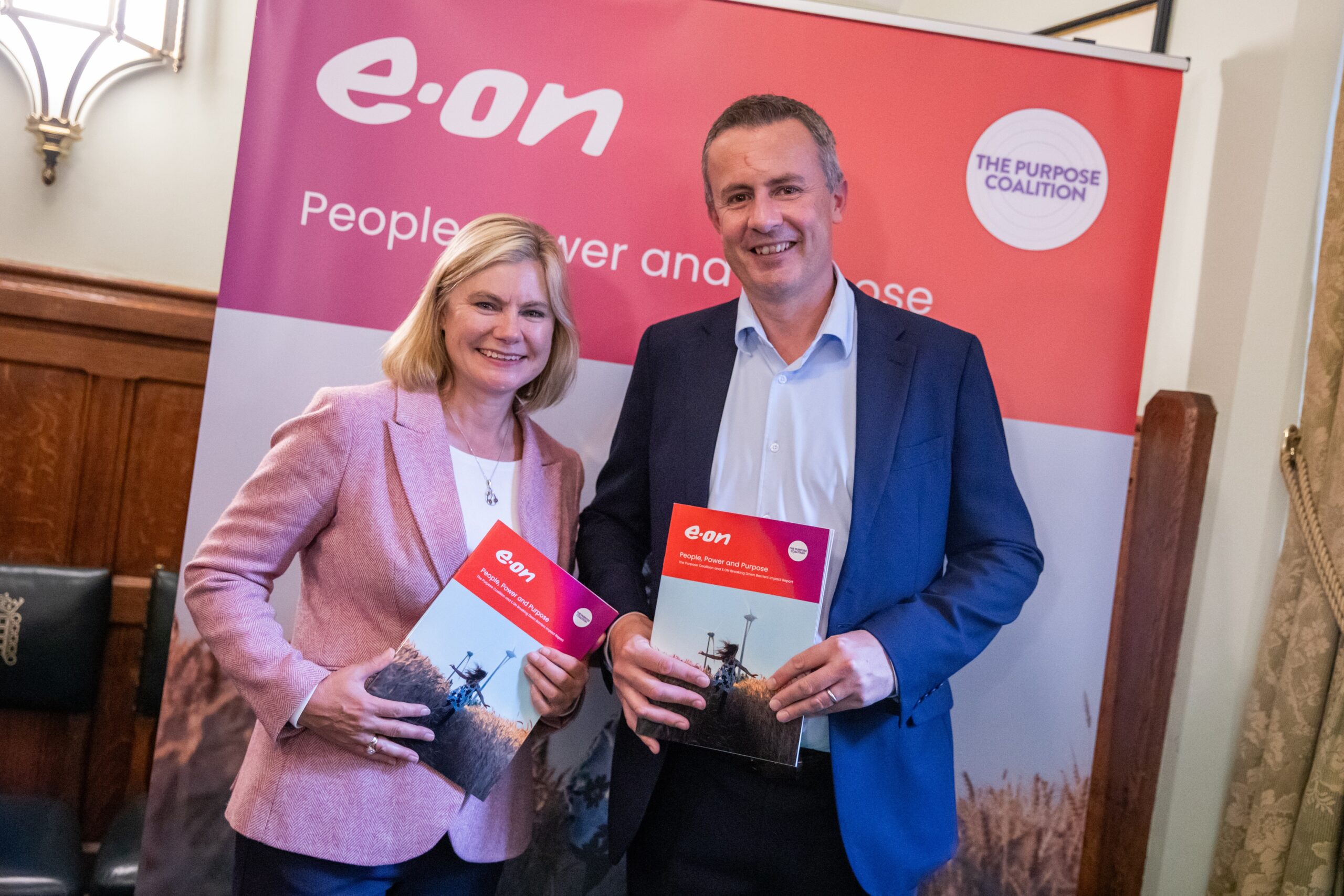
E.ON warns smart homes investment is needed for fairer transition. A new report with the Purpose Coalition calls for wider access to batteries, flexibility and local energy systems to reduce bills structurally.
-
AINETUS has joined LF Energy as open-source grid operation software. The AI-assisted system uses supervised learning, reinforcement learning, and human-in-the-loop workflows for transmission grid operations.
-
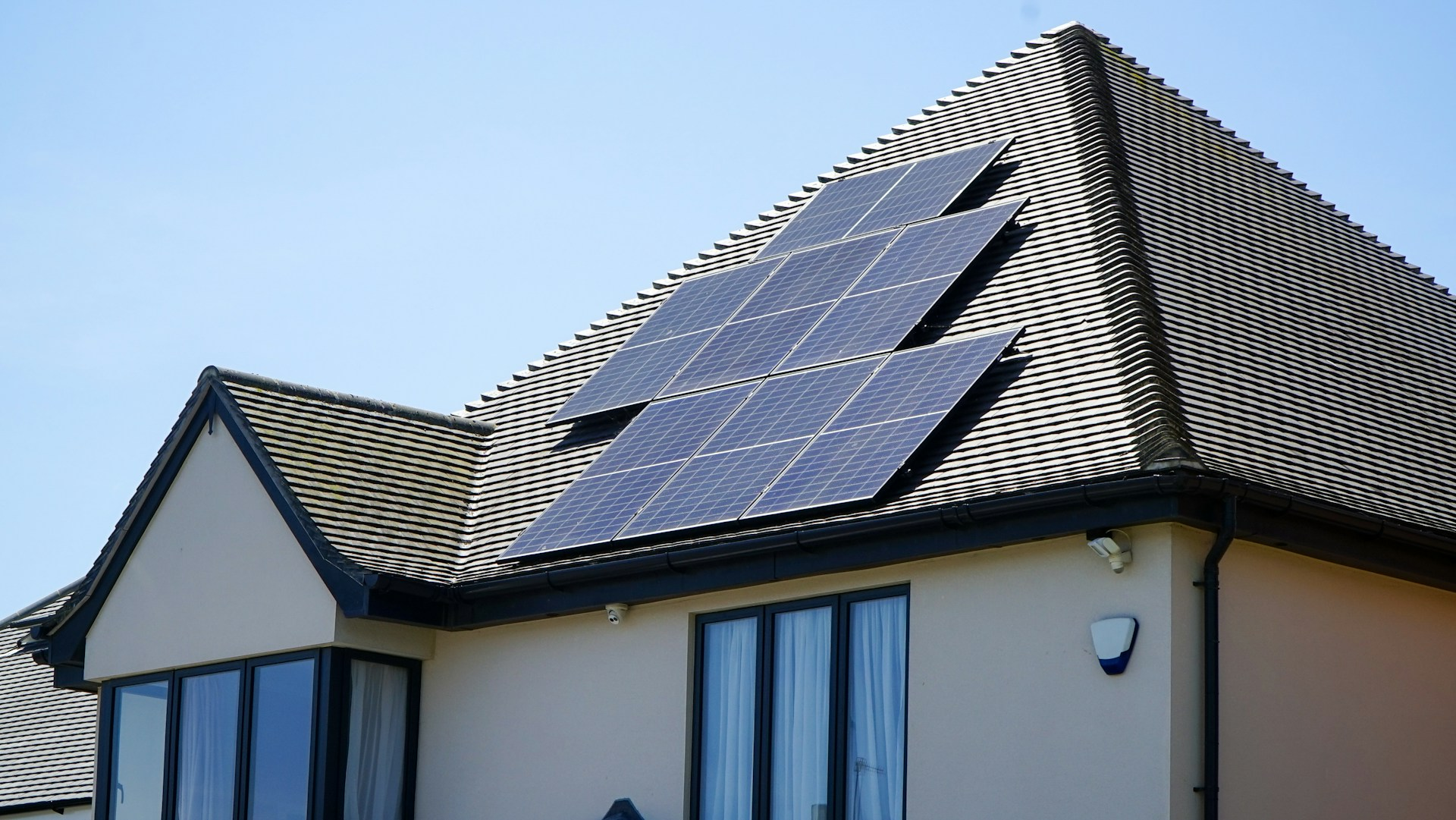
India’s rooftop solar market added 2.7GW in one quarter alone. Residential systems drove the expansion as approvals, subsidies, and state implementation support accelerated deployment.
-
myenergi has secured CoP11 approval for flexible EV charging services. The zappi GLO charger can support behind-the-meter measurement and automated Gridpay participation.