
Distribution
—
-

Construction has started on Belgium’s 82-kilometre Ventilus grid reinforcement programme. Elia is upgrading 380kV infrastructure to increase transmission capacity, integrate additional North Sea wind, and strengthen West Flanders’ electricity system.
-

Britain’s transmission upgrade programme faces substantial delivery risks before 2030. The NAO warns delays could drive constraint costs substantially higher as generation connects ahead of sufficient grid capacity.
-

Northern Ireland has outlined new electricity-system delivery priorities for 2030. Storage policy, interconnection, grid investment, renewable connections, and smart metering now form part of the programme.
-
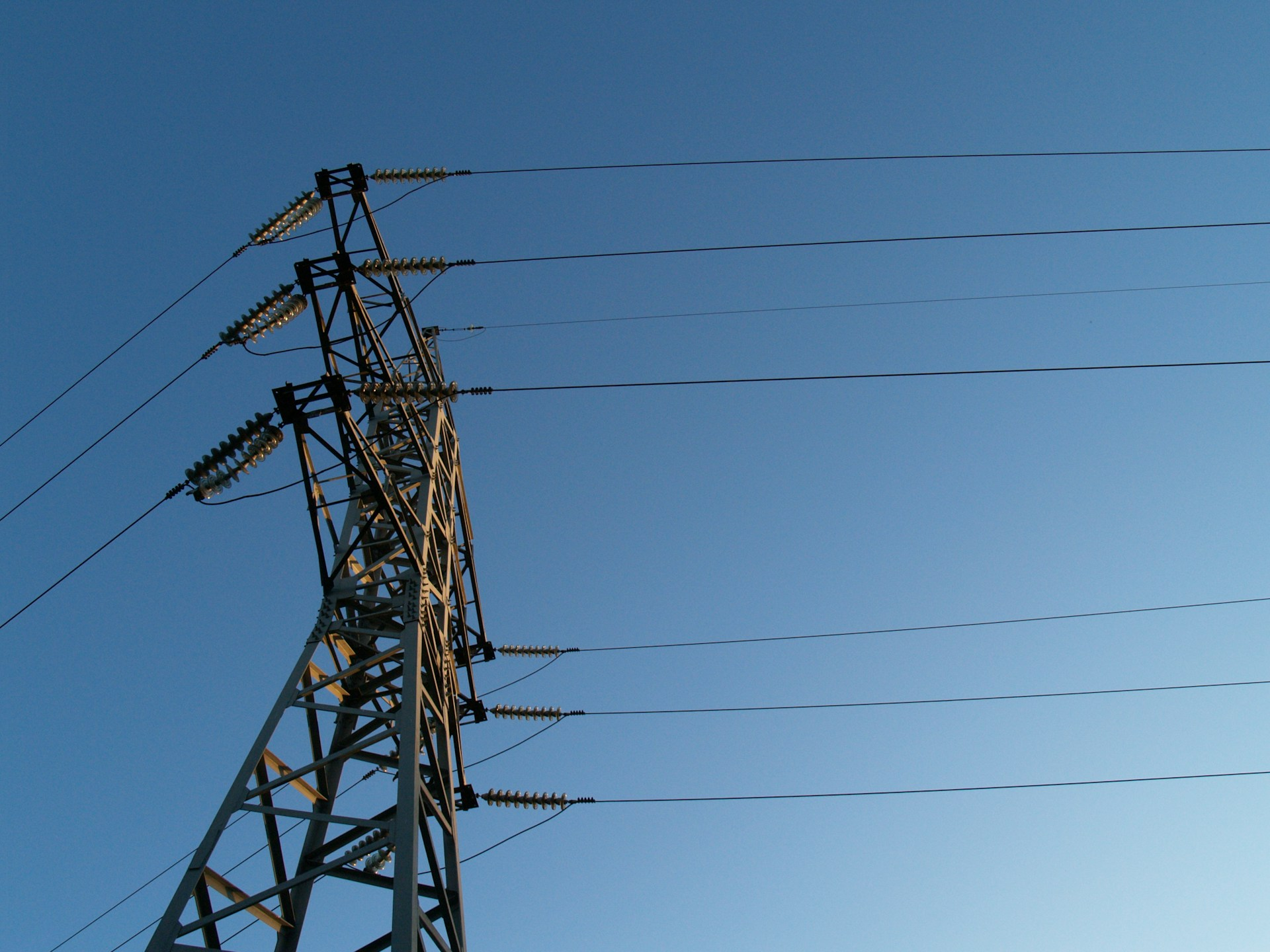
Eight European TSOs are seeking technologies to unlock grid capacity. Their joint call targets congestion, monitoring, power-flow control, and uprating of existing transmission infrastructure.
-
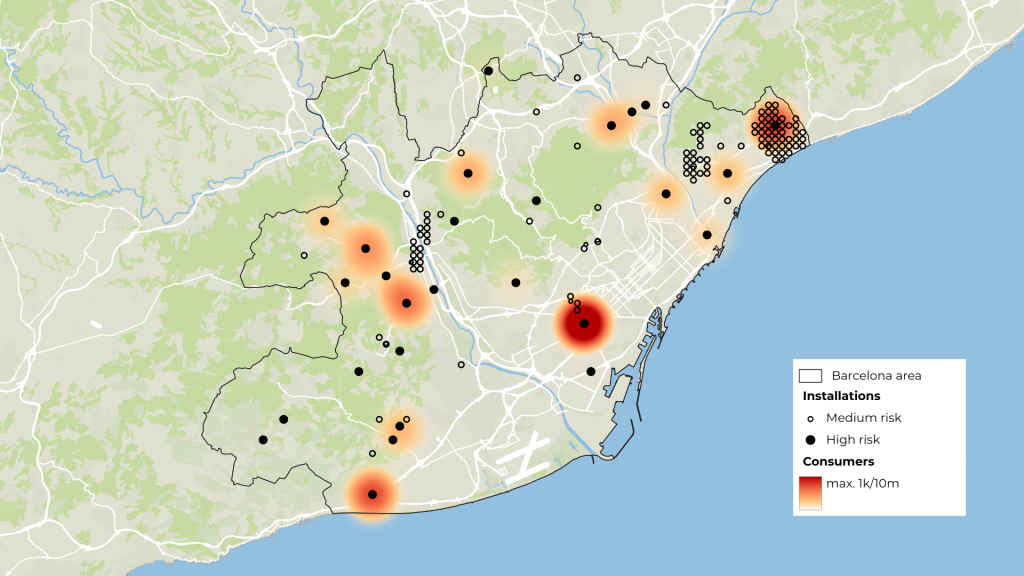
IREC has quantified flood exposure across Barcelona’s metropolitan electricity network. Its methodology estimates €3–4 million of expected annual damage while separating direct infrastructure losses from customer impacts and cascading failures across other critical systems.
-

Modern grid infrastructure will determine whether net zero ambitions succeed. David Grall, VP for Sustainability & Corporate Transformation at Nexans, argues that resilient electrical networks must advance alongside renewable generation.
-
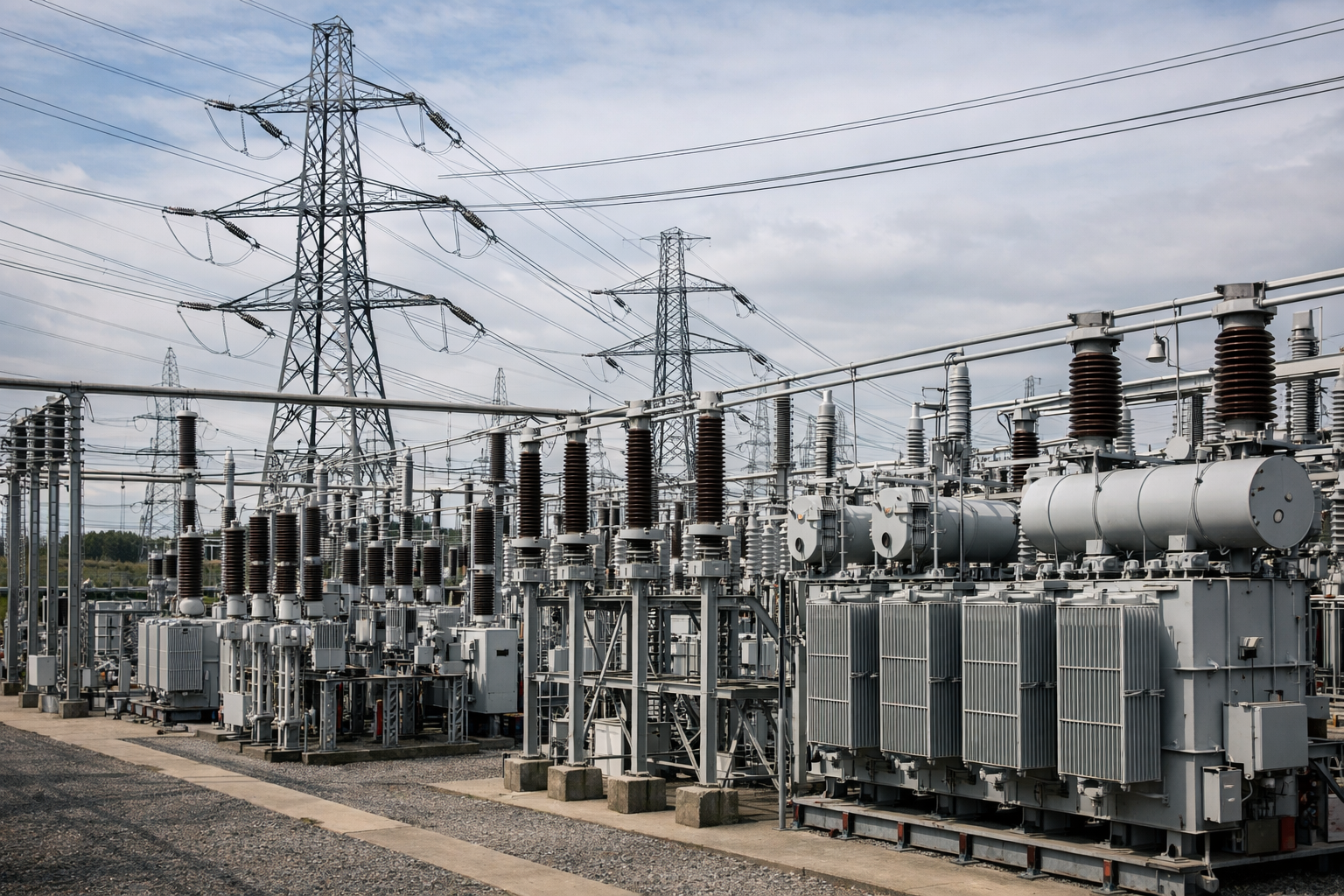
Iberdrola awarded €30m across storage and mobile-substation contracts in Spain. Ingeteam takes €25m of BESS work, while Ormazabal will design, manufacture, and supply two mobile substations for network operations.
-

Smart charging could cut Europe’s EV-related grid investment by €10.6bn. Siemens modelling across 64 urban centres still identifies €14.1bn of physical reinforcement by 2030 even with intelligent load management.
-
Lidl will invest £10m expanding rapid chargers at British stores. Around 100 new units are planned at existing locations this financial year, alongside charging at most newly built stores.
-
Motorway charging grants failed to fund any electricity network upgrades. A new DfT evaluation says risk allocation, long investment horizons, grid processes, and planning constraints undermined the £70m pilot.