IN Brief:
- Ecowende has achieved first power at the 760MW Hollandse Kust West offshore wind farm.
- The project is connected through TenneT’s offshore grid, around 53km from the Dutch coast.
- The development combines large-scale offshore generation with ecological design measures and balancing-market integration.
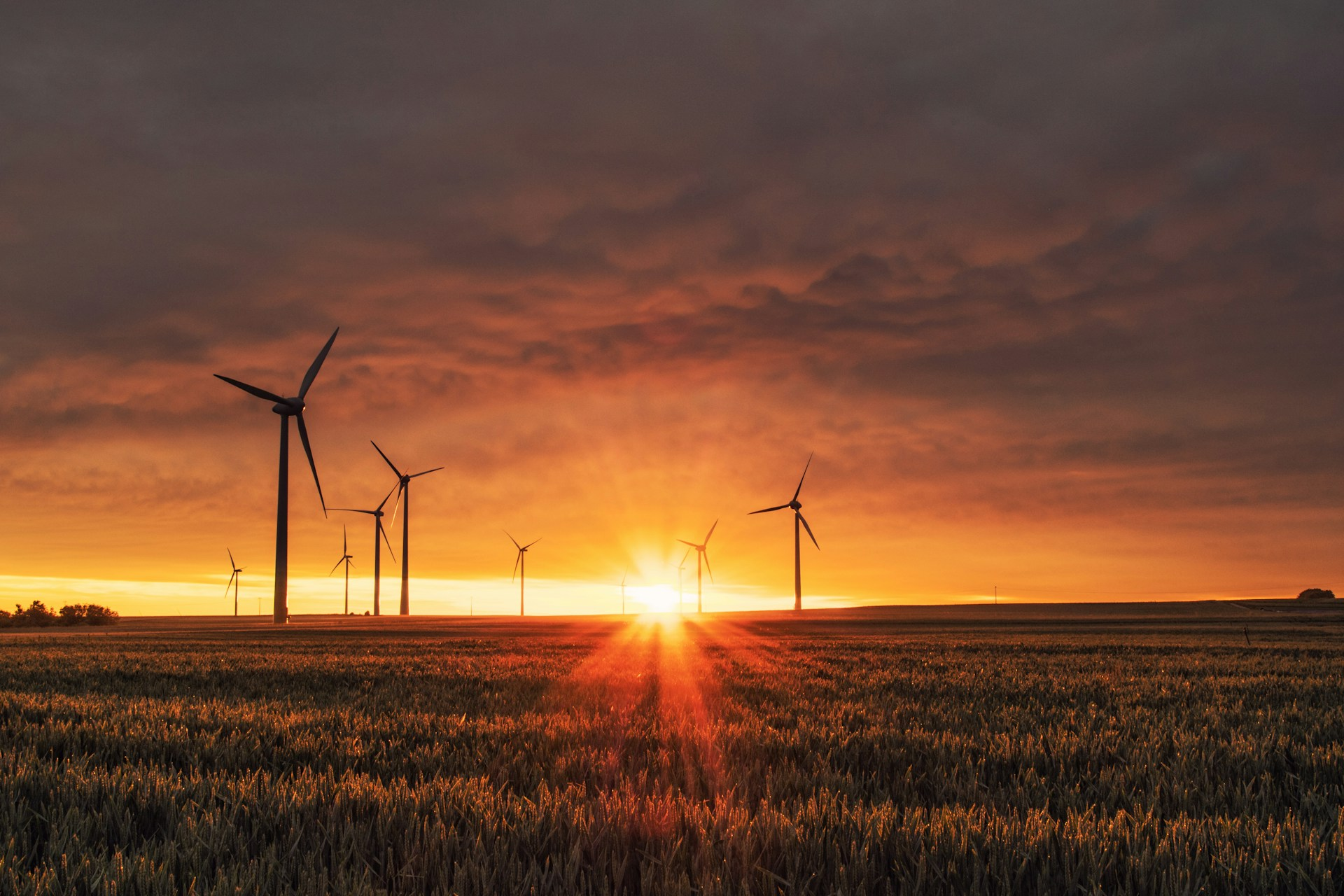
Ecowende has delivered first power from the Hollandse Kust West offshore wind farm, connecting the 760MW project to the Dutch electricity system through TenneT’s offshore grid.
The wind farm is located around 53km off the Dutch coast and will use 52 turbines rated at 15MW. Full commercial operation is expected by the end of 2026, with annual generation projected at 3.3TWh once the site is fully commissioned. That output is equivalent to around 3% of Dutch electricity demand.
Ecowende is a joint venture involving Shell, Chubu, and Eneco. Construction began in December 2025 with the installation of the first monopile, and the first electricity has now been delivered into the grid. The project connects through TenneT’s offshore high-voltage infrastructure, which provides the collection and transmission interface between the turbines and the mainland system.
Alongside its power-generation role, Hollandse Kust West includes ecological design measures intended to reduce the project’s environmental footprint. These include wider turbine spacing, elevated nacelles, a bird corridor, adaptive curtailment, AI-assisted radar monitoring, scour protection, fish holes, and one red-painted blade on selected turbines.
Offshore wind projects in the North Sea are increasingly being assessed on more than installed capacity. Biodiversity, seabed disturbance, marine traffic, fisheries interaction, and coexistence with other sea users are all becoming part of project design. Ecological measures are no longer marginal additions to offshore generation schemes; they are being integrated into consenting, construction, and operational planning.
The project’s operational structure is also becoming more complex. Eneco Wind Offshore Operations and Vestas Services will support operations and maintenance, while electricity trading and balancing-market participation are being handled through market systems connected to the wider power sector. Hollandse Kust West is therefore entering the grid as a large renewable generator and as an asset expected to operate within increasingly active balancing arrangements.
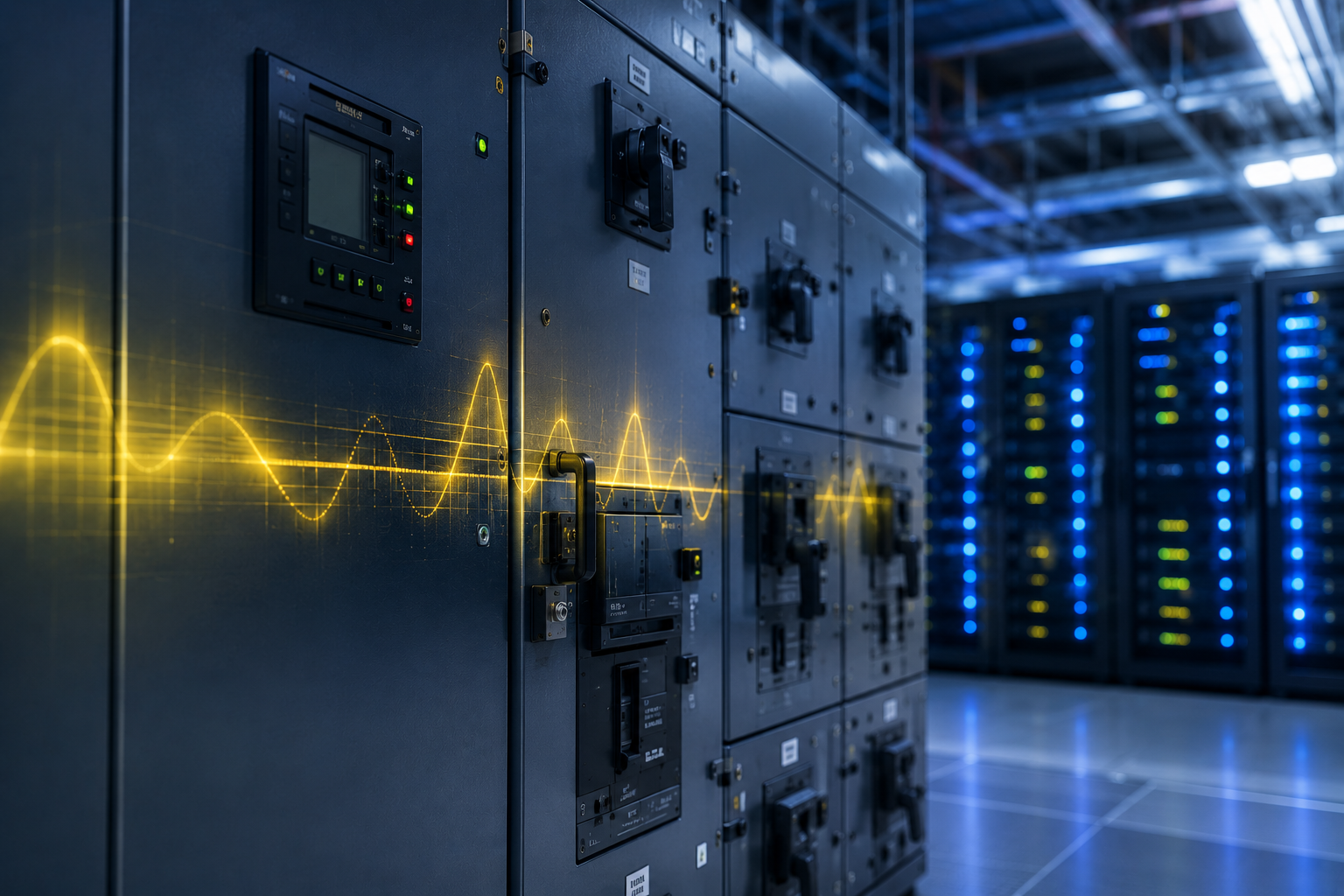
Offshore electrical infrastructure is now one of the central delivery constraints for European wind. Larger turbines, higher project capacities, and greater distance from shore place more pressure on offshore substations, export cables, reactive power management, protection systems, and onshore connection points. The German offshore build-out has shown the same pattern, with Nordseecluster substation work advancing in parallel with generation assets.
First power marks a technical transition from construction into energisation and staged commissioning. Mechanical installation can be well advanced, but an offshore wind farm becomes a functioning electrical asset only when turbines, array cables, offshore platforms, export infrastructure, onshore grid interfaces, and control systems operate together.
The Dutch offshore model places TenneT at the centre of grid connection delivery, reducing duplication between individual project export systems and giving the transmission operator a coordinated role in offshore infrastructure. That model can support standardisation and planning efficiency, but it also places significant pressure on transmission delivery schedules as larger wind zones move forward.
As more offshore wind enters the system, the relationship between generation and network operation will tighten. Output forecasting, congestion management, balancing-market participation, and grid stability functions will increasingly shape how offshore projects are valued and operated. Turbine capacity alone will be an incomplete measure of system contribution.
Hollandse Kust West now moves through the commissioning period with its first electrical output delivered. Its full contribution will depend on final turbine energisation, grid compliance testing, operational availability, and the performance of the offshore network that links the project to Dutch demand.