
IN Brief:
- Greencells has completed and handed over Crays Hall Farm solar park in Essex to Aukera Energy.
- The EPC contractor reports 40MWp of installed photovoltaic capacity and approximately 40GWh of annual generation.
- The project's Allocation Round 6 CfD record lists 25.92MW, a separate published capacity measure that should not be conflated with the 40MWp figure.
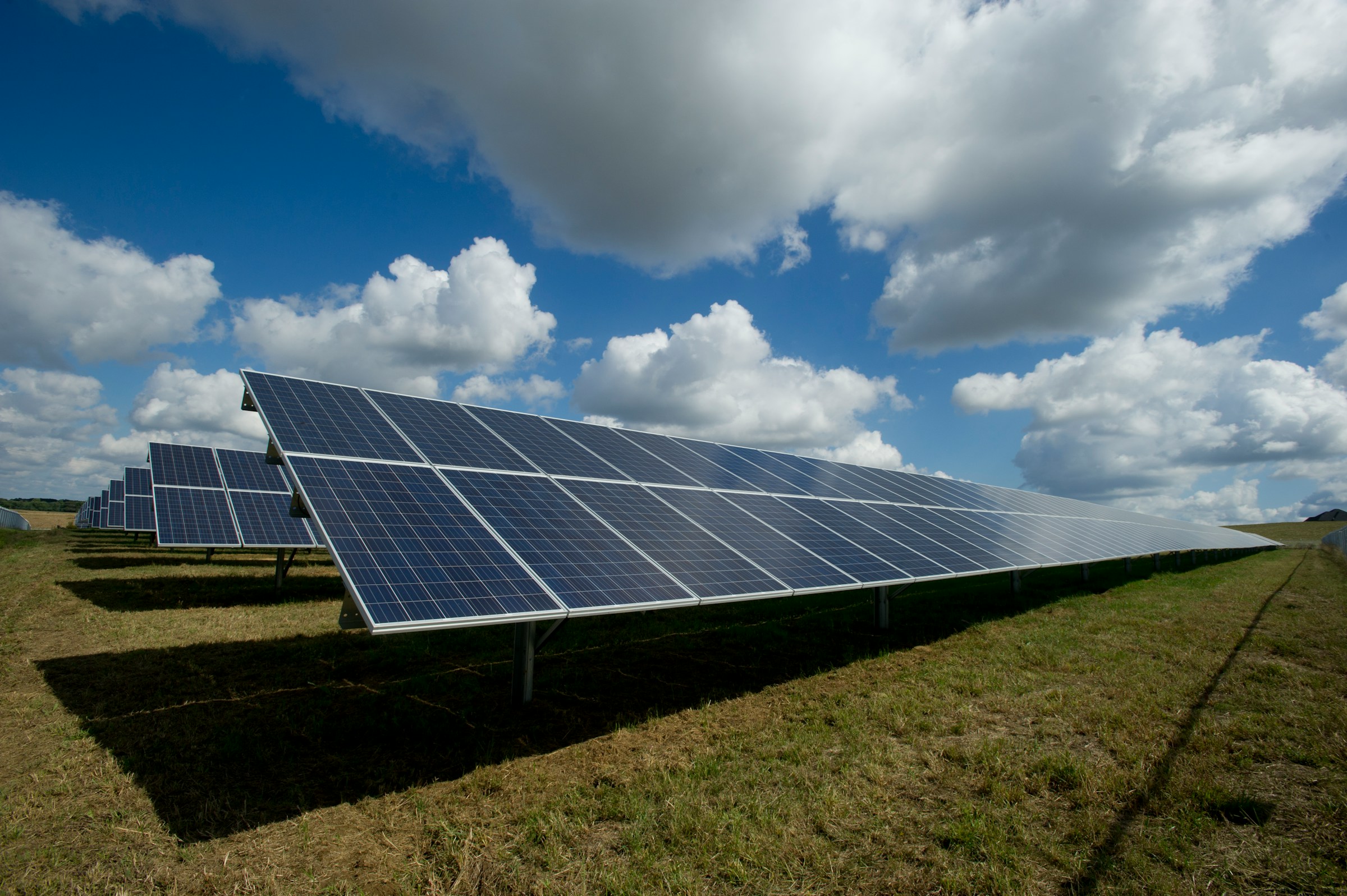
Greencells has completed and handed over Crays Hall Farm solar park in Essex to Aukera Energy, with the contractor reporting 40MWp of installed photovoltaic capacity and approximately 40GWh of annual electricity generation.
The plant has reached commercial operation following delivery under a turnkey engineering, procurement, and construction scope. Greencells will remain responsible for operation and maintenance, extending its involvement from construction into the longer phase in which electrical availability and energy yield determine the asset’s commercial performance.
The capacity figures associated with Crays Hall require careful handling. Greencells describes the completed photovoltaic plant at 40MWp, while the UK government’s Allocation Round 6 Contracts for Difference result records Crays Hall Solar Farm at 25.92MW with a 2026/27 delivery year.
Those figures are different published measures and should not be treated as interchangeable. Solar projects can carry separate module peak, inverter, export, planning, and contracted capacities, but the available records do not provide enough detail to state definitively which technical boundary explains the difference at Crays Hall.
The useful reporting position is therefore to preserve both values with their source context. Greencells’ 40MWp figure describes the installed photovoltaic project in its completion announcement, while 25.92MW is the capacity shown in the government’s CfD award record.
The physical milestone is less ambiguous. The plant has moved from construction into commercial operation and is now producing electricity, replacing civil works, module installation, cabling, and energisation activity with the much longer task of keeping the generating asset available over its operating life.
Greencells describes the site as technically demanding, with environmental and logistical constraints affecting delivery. Those conditions matter because utility-scale solar construction is rarely as repetitive as rows of modules suggest: ground conditions, drainage, ecology, access, cable routing, transformer positions, grid infrastructure, and programme sequencing can all create site-specific engineering work.
The electrical balance of plant is equally important. Modules generate DC electricity, which has to be collected and converted through inverters before transformers, switchgear, protection, metering, communications, and connection equipment deliver usable AC power into the network.
Each conversion stage creates potential losses and failure modes. Inverter trips, transformer defects, cable faults, protection operations, communications failures, vegetation, module soiling, and grid curtailment can all reduce the annual energy actually delivered compared with the theoretical yield implied by installed peak capacity.
That is why Greencells retaining the O&M role is commercially relevant. The contractor enters operation with detailed knowledge of the as-built electrical layout, installed equipment, commissioning results, protection settings, cable routes, warranties, and defects history, which can shorten diagnosis when faults occur after handover.
Operation also changes the performance metric. During construction, progress can be measured in piles installed, modules mounted, cables pulled, or inverter stations energised. Once commercial operation begins, the important measures become availability, performance ratio, exported megawatt-hours, fault response, equipment degradation, and compliance with the grid connection.
The government CfD record adds a further commercial layer. Crays Hall was successful in Allocation Round 6 at 25.92MW, with a strike price of £50.07/MWh in 2012 prices and a delivery year of 2026/27. The CfD provides a long-term market framework around eligible generation rather than removing the need for the plant to perform technically.
A generator can only earn against electricity it produces and meters correctly. Inverter efficiency, transformer losses, forecasting, communications with market systems, settlement metering, and grid availability therefore remain important regardless of the revenue-support structure.
Greencells says it has delivered more than 767MWp across 55 projects in the UK since 2014. Crays Hall adds another operating asset to that portfolio, while its continued O&M role gives the company direct exposure to whether the design and construction choices made during EPC translate into dependable long-term output.
The completion also illustrates why headline capacity needs a defined measurement basis in solar reporting. A project can legitimately appear with different megawatt figures in technical, planning, grid, and contractual records, and silently selecting whichever number looks largest creates more confusion than clarity.
At Crays Hall, the disciplined approach is straightforward: Greencells reports a 40MWp completed solar installation producing around 40GWh annually, while the government’s CfD record separately lists 25.92MW. Both facts are useful; pretending they describe exactly the same electrical boundary is not.
The plant is now beyond the point where capacity figures alone define progress. Its next years will be measured by actual exported energy, equipment reliability, maintenance performance, and how consistently the operating asset converts the installed photovoltaic field into electricity available to the network.

