
IN Brief:
- Steelwind has completed delivery of 34 monopiles for Baltica 2.
- The largest foundations measure approximately 102 metres and weigh 1,884 tonnes.
- Offshore foundation installation is under way ahead of commissioning in 2027.
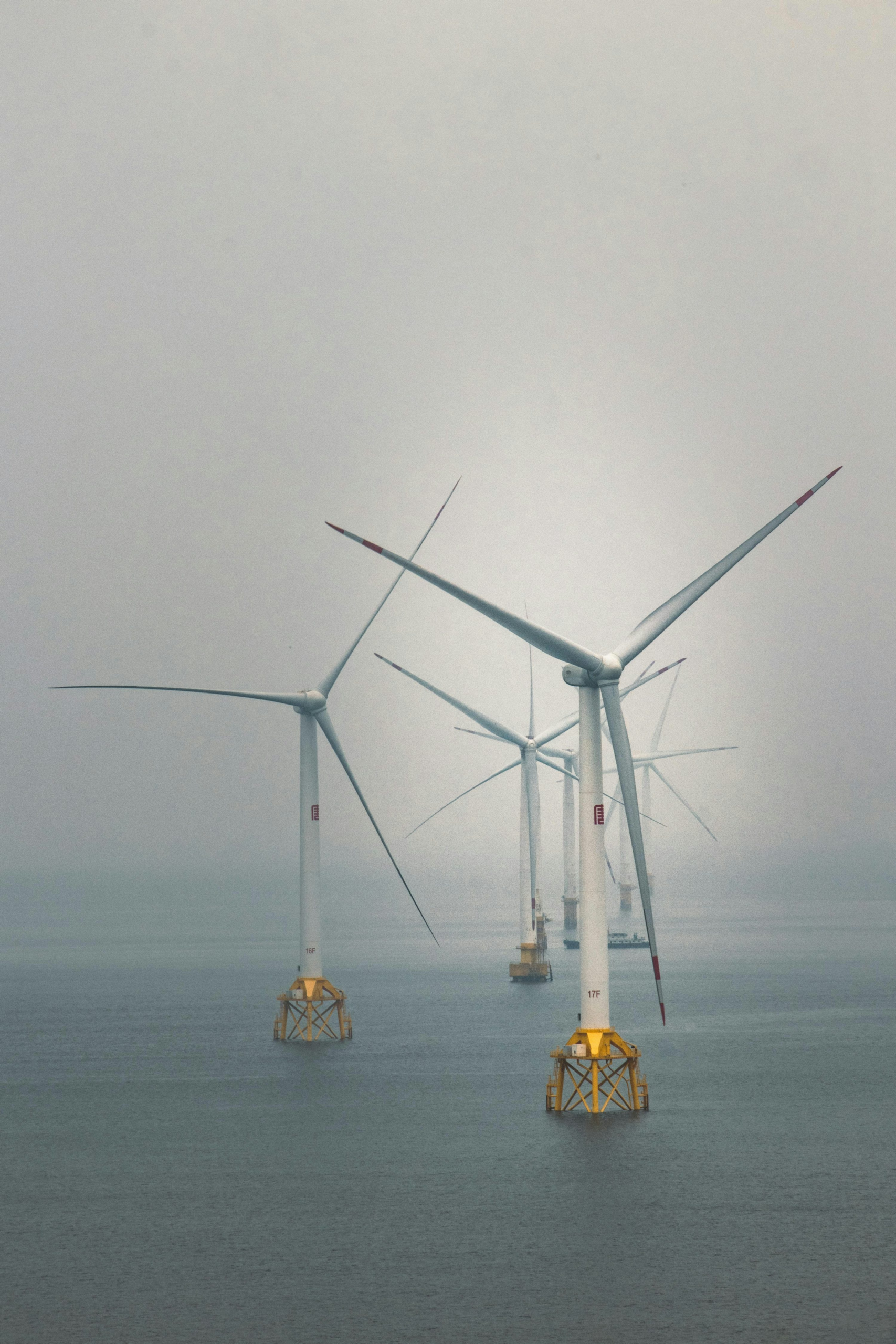
Steelwind Nordenham has completed its monopile delivery programme for the 1.5GW Baltica 2 offshore wind farm, shipping the final two foundations from its northern German port facility.
The company manufactured and delivered 34 monopiles under the contract, processing approximately 56,000 tonnes of steel. The largest units are around 102 metres long, measure up to 10.5 metres in diameter, and weigh as much as 1,884 tonnes.
Those dimensions reflect the loads imposed by the scale of the turbines and conditions at the Polish Baltic Sea site. Each monopile must transfer turbine loads into the seabed while resisting wind, waves, currents, fatigue, and corrosion throughout the operating life of the wind farm.
Fabrication begins with thick steel plate, which is rolled into cylindrical sections and welded into increasingly large cans. Those cans are joined into a completed foundation before dimensional checks, non-destructive testing, coating work, corrosion protection interfaces, lifting points, and transport supports are completed.
The 34 foundations form part of a wider package of 111 monopiles at Baltica 2. Of those, 107 will support Siemens Gamesa 14MW turbines, while four will carry the project’s offshore substations.
The substations will collect output from the turbine array, transform it for export, and provide the switching, protection, control, and communications functions needed before electricity is transmitted towards the onshore network.
Steelwind’s final shipment follows the start of offshore foundation installation at Baltica 2. Van Oord is responsible for transporting and installing the monopiles and transition pieces through a marine programme that must coordinate component supply, installation vessels, seabed preparation, surveys, weather windows, and offshore completion work.
Manufacturing completion and offshore installation are separate milestones. Finished foundations can remain at a staging port, aboard a transport vessel, or within the installation sequence, so the wider schedule depends on a steady flow of components rather than the completion date of one factory package.
The largest monopiles in Steelwind’s scope exceed the height of many conventional onshore wind turbines before the tower and nacelle are considered. Their mass affects factory floor loading, crane capacity, quayside strength, transport frame design, vessel stability, lifting analysis, and harbour draught.
Quality control is equally demanding. Circumferential and longitudinal welds must satisfy the project’s fatigue and structural requirements, while dimensional tolerances must support later installation of transition pieces and turbines.
Small deviations at foundation level can affect interfaces further up the structure, where tower alignment, cable routing, access systems, and turbine installation depend on accurate geometry. Inspection records and material traceability must therefore follow each unit from steel receipt to offshore handover.
Baltica 2 is being developed jointly by Ørsted and PGE around 40 kilometres from the Polish coast near Ustka. Full operation is scheduled for 2027, following foundation installation, turbine erection, cable works, substation integration, export system testing, and staged commissioning.
The project’s electrical scope will determine how effectively the installed generation is integrated into Poland’s power system. Turbine output will pass through 66kV inter-array circuits to the offshore substations before being transformed and exported onshore.
Protection coordination, reactive power control, communications, metering, and grid code compliance must progress alongside physical construction. The offshore electrical system also has to support energisation in sections so that completed parts of the array can be tested without waiting for every turbine position.
Using 14MW turbines reduces the number of machines needed to reach 1.5GW compared with earlier offshore projects, but it increases the consequence of each foundation and turbine position. Larger individual units place greater demands on lifting systems, installation vessels, component tolerances, array design, and maintenance planning.
Steel procurement remains a major industrial dependency. A 56,000-tonne package requires plate availability, qualified mills, production capacity, welding consumables, skilled labour, inspection resources, and dependable logistics. A delay in any of those areas can shift the point at which foundations become available offshore.
Port operations are another constraint. Monopiles of this size cannot be handled by ordinary quayside equipment, and load-out requires verified lifting plans, suitable sea fastening, stable storage arrangements, and vessel schedules that match the offshore campaign.
Completion of Steelwind’s delivery scope removes one manufacturing risk from the programme, although substantial offshore and electrical work remains. The next measure of progress will be the pace at which monopiles, transition pieces, turbines, cables, and substations move through installation and commissioning ahead of the 2027 operating target.

