
IN Brief:
- Iceni will pair a 300MW/600MWh battery with Ørsted’s 2.9GW Hornsea 3 offshore wind project.
- Arenko’s Nimbus platform will manage trading, optimisation, and asset-management functions across the battery.
- Sharing offshore-wind transmission infrastructure will test a more intensive approach to using constrained UK grid capacity.
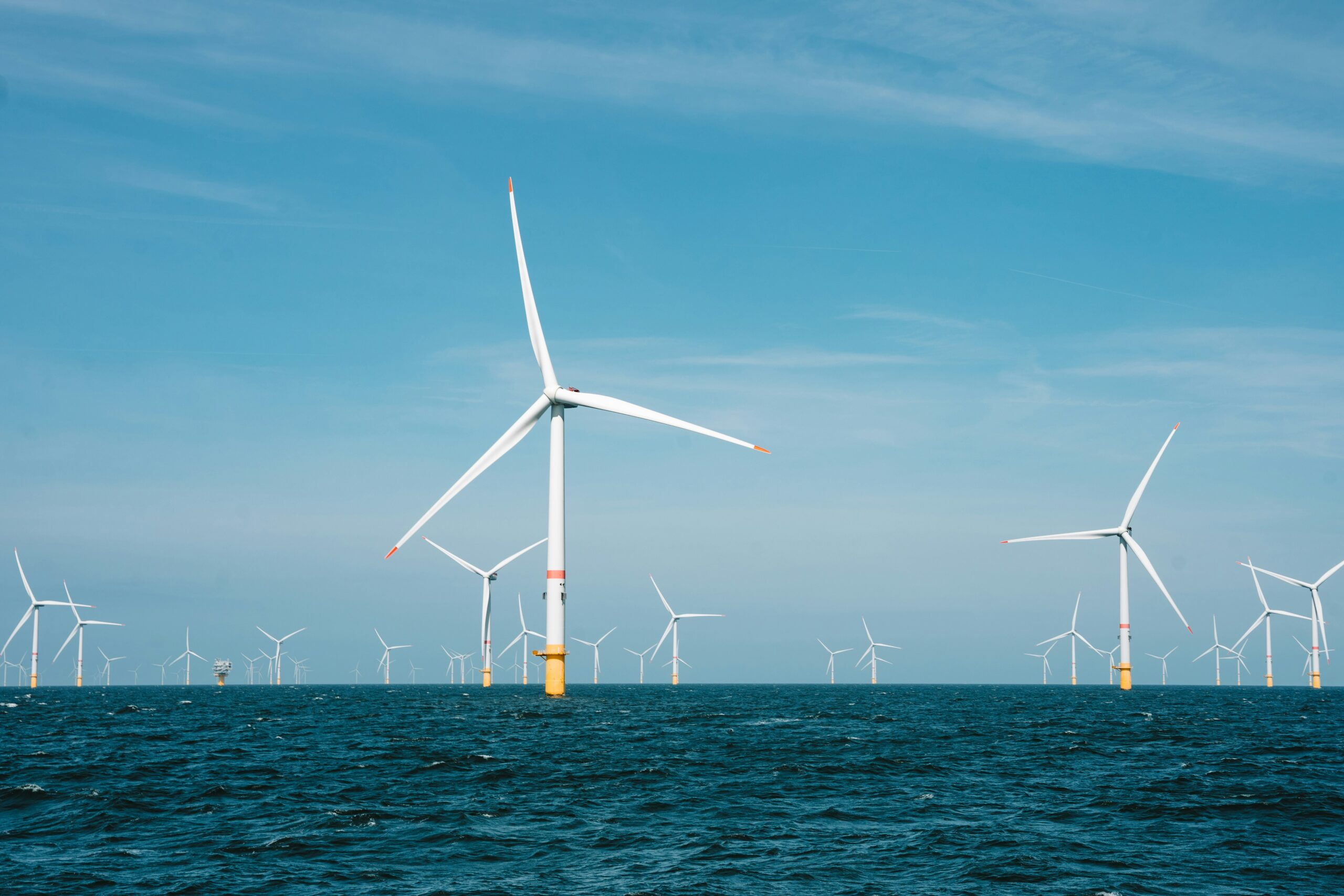
Arenko has been selected to deploy its Nimbus optimisation, asset-management, and trading platform at Ørsted’s 300MW/600MWh Iceni battery project, which will share transmission infrastructure with the 2.9GW Hornsea 3 offshore wind farm. The battery is scheduled to enter operation in the first quarter of 2027 and will test large-scale storage directly alongside offshore wind infrastructure.
Iceni differs from a conventional grid-scale battery because it will not rely on a separate standalone grid connection. The two-hour storage system will share transmission assets and the onshore connection used by Hornsea 3, making the battery part of a combined wind-and-storage configuration rather than an adjacent project connected independently to the network. Arenko says Iceni will be the first utility-scale battery directly integrated into offshore transmission infrastructure.
The arrangement sits within the UK’s Offshore Transmission Network Review pathfinder work, which has been examining ways to use grid infrastructure more efficiently as offshore wind capacity grows. Shared connections can reduce duplication and allow committed electrical infrastructure to carry useful energy over more hours, but they also introduce operational constraints because wind generation and battery charging or discharging compete for capacity at the same connection point. Control, forecasting, and market decisions therefore become part of managing the connection itself.
Arenko will deploy the full Nimbus suite across trading, optimisation, and asset management. The platform will coordinate the battery’s state of charge, market position, technical availability, and connection constraints while responding to changing wind output and electricity prices. Optimising a shared-connection battery is more complex than dispatching a standalone asset because the available export capacity has to be allocated between generation and storage in real time.
For a 300MW/600MWh battery, the headline configuration provides roughly two hours of discharge at rated output. That is sufficient for substantial intraday energy shifting and can support short-duration flexibility services, but the commercial outcome will depend on when capacity is reserved, charged, or released. Forecast errors in offshore wind output, unexpected asset constraints, and market-price movements can all change the best dispatch decision at short notice, increasing the importance of automation and reliable data exchange between the wind farm, battery, and trading systems.
The project also reflects a change in how grid connections are being used as renewable development accelerates. Generation and storage projects have commonly been planned around individual connection agreements, even when located close together, but long connection queues and slow network reinforcement give developers stronger incentives to use existing or committed capacity more intensively. A variable generator can leave periods in which its full export capability is not being used, creating room for a controllable storage asset if operating rules and connection agreements permit it.
Co-location does not create additional network capacity. It changes how the available capacity is used. During high-wind periods, charging the battery can retain energy that might otherwise face export constraints, while discharge can be shifted to periods when wind output is lower or market conditions are stronger; the control system must still respect the physical connection limit and ensure battery operation does not interfere with the wind farm’s obligations.
Arenko says Nimbus has already been deployed across 14 large-scale co-location projects, giving the company an operating base from which to apply automated trading and asset-management methods to Iceni. The Hornsea 3 pairing is considerably larger and more complex than a typical solar-plus-storage site because of the offshore generation scale, transmission interface, and number of operational variables involved. The result is as much a controls and software-integration exercise as a battery deployment.
Hornsea 3 is expected to provide 2.9GW of offshore wind capacity, while the 300MW battery represents a much smaller but highly controllable asset alongside it. Storage does not need to match the generating capacity to make better use of the connection: a smaller battery can absorb output for limited periods, respond quickly to market or system signals, and alter the timing of exports where the operating and commercial case supports doing so.
Iceni will provide a practical test of how shared offshore-wind connections behave once trading, asset management, battery controls, and transmission constraints are active at the same time. If the model performs as intended, it will provide a reference point for future co-located offshore generation and storage schemes. The first test comes in 2027, when Nimbus has to coordinate wind, storage, trading, and grid capacity as parts of one operating system rather than four separate problems.

