IN Brief:
- BESS Apeldoorn is fully operational and trading in Dutch energy markets.
- The 15 MW / 30 MWh system is co-located with a solar park and will participate across reserve, imbalance, and congestion markets.
- The project brings together Encavis, Green Energy Storage, Alfen, CATL, and Greenchoice.
Alfen has brought the 15 MW / 30 MWh BESS Apeldoorn project into live operation in the Dutch energy market, marking the start of trading for a battery asset designed to serve multiple flexibility and balancing functions rather than a single narrowly defined use case.
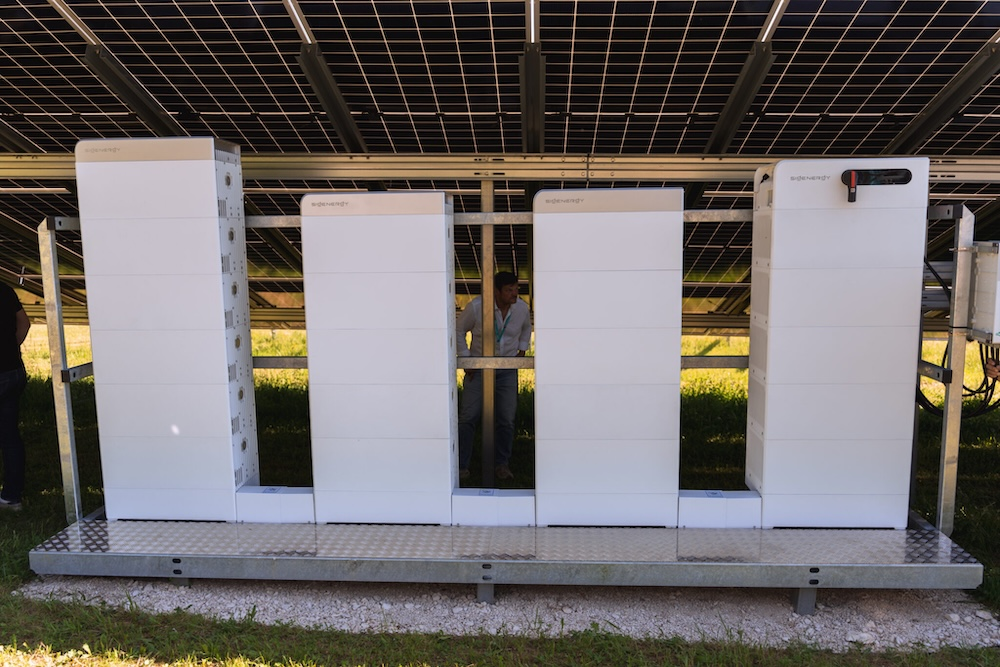
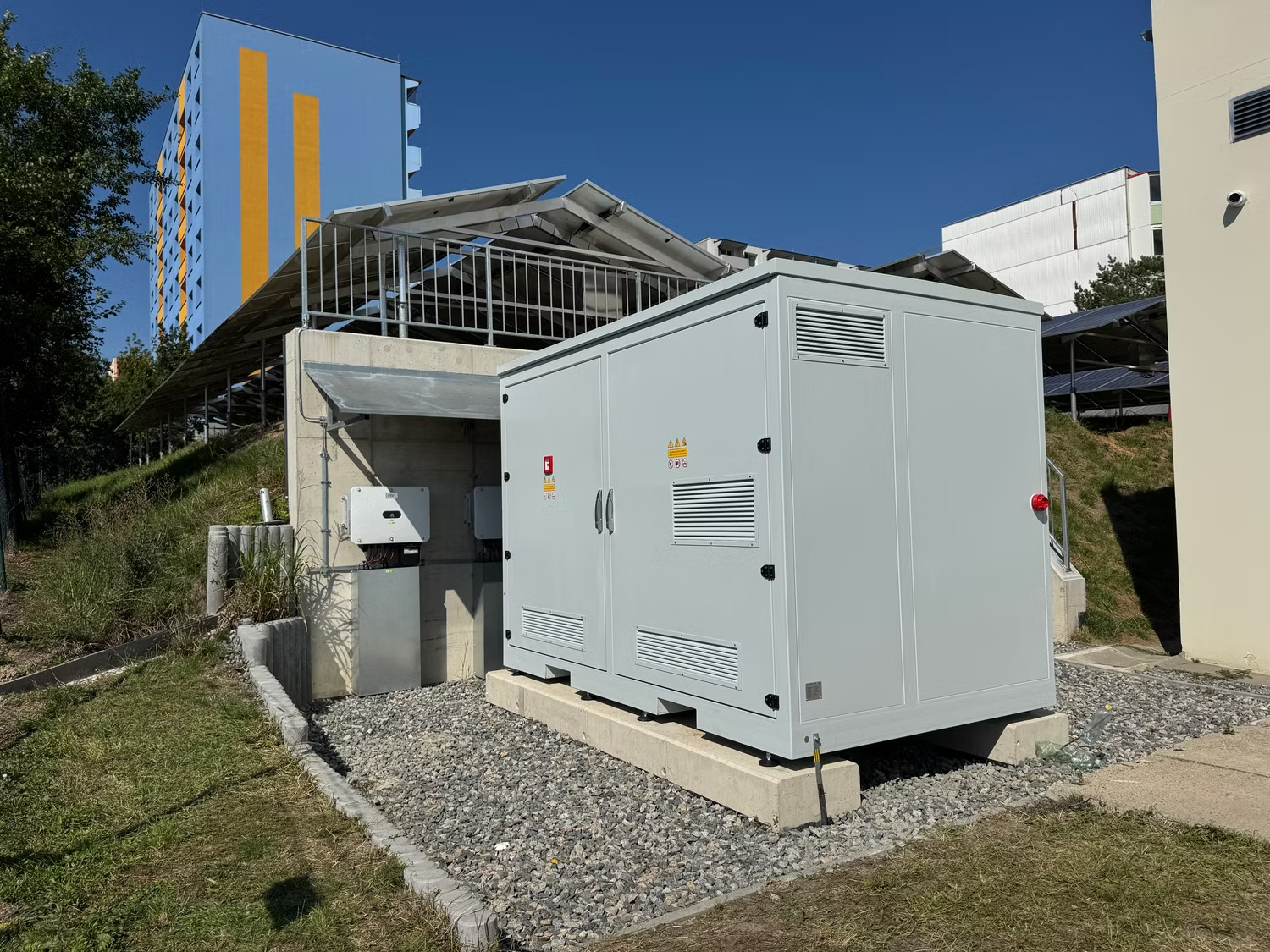
The project is located near Apeldoorn and has been commissioned as a co-located battery alongside an adjacent solar park. Alfen says the system is now fully operational and participating in Dutch energy markets, with the battery configured to operate across Frequency Containment Reserve, automatic and manual frequency restoration reserves, imbalance markets, and congestion management. That gives the site a broader market role than simple solar time-shifting alone.
BESS Apeldoorn was developed by Green Energy Storage on behalf of Encavis. Alfen handled delivery and electrical integration, supplying the battery container and CATL EnerOne+ battery technology as a turnkey package. Greenchoice acts as offtaker of the system’s flexibility. In other words, the project has been structured across the full chain from development and asset ownership through technology supply, electrical integration, and market access.
That layered structure says a good deal about how the storage market in north-west Europe is evolving. A battery project at this scale is no longer simply a hardware installation waiting for a single contracted service. It is a market-facing infrastructure asset that needs integration across control, dispatch, trading, and grid interface functions from day one. The technical challenge is only part of the story; the commercial stack matters just as much.
The co-location with solar is also significant. By storing locally generated renewable electricity and discharging it during periods of higher demand or system stress, the project links renewable integration to flexibility provision in a way that has become increasingly important as variable generation gains share. The value of co-location lies not only in the possibility of shifting output through time, but in creating an asset that can respond to wider grid conditions while still sitting close to renewable production.
The Dutch market is becoming an important test bed for this model. Congestion management, ancillary services, and balancing needs are creating a more developed operating environment for batteries, particularly where they can stack revenue streams and respond dynamically to market signals. That does not eliminate the importance of engineering fundamentals. It heightens it. A battery expected to operate across several services must be integrated, commissioned, and controlled to a higher operational standard than one built around a single fixed function.
That is where Alfen’s role in electrical integration deserves attention. In a multi-service battery project, interface quality between battery technology, power conversion, control logic, grid connection, and trading access is central to performance. The Netherlands is now producing more examples of that kind of asset, and BESS Apeldoorn shows how quickly the market is moving from announcing projects to putting them to work inside live system operations.
With the asset now trading, the project becomes more than a commissioning milestone. It becomes another operational data point in how European battery storage is being deployed: hybridised, market-connected, and expected to serve system flexibility from the outset rather than as a later add-on.