IN Brief:
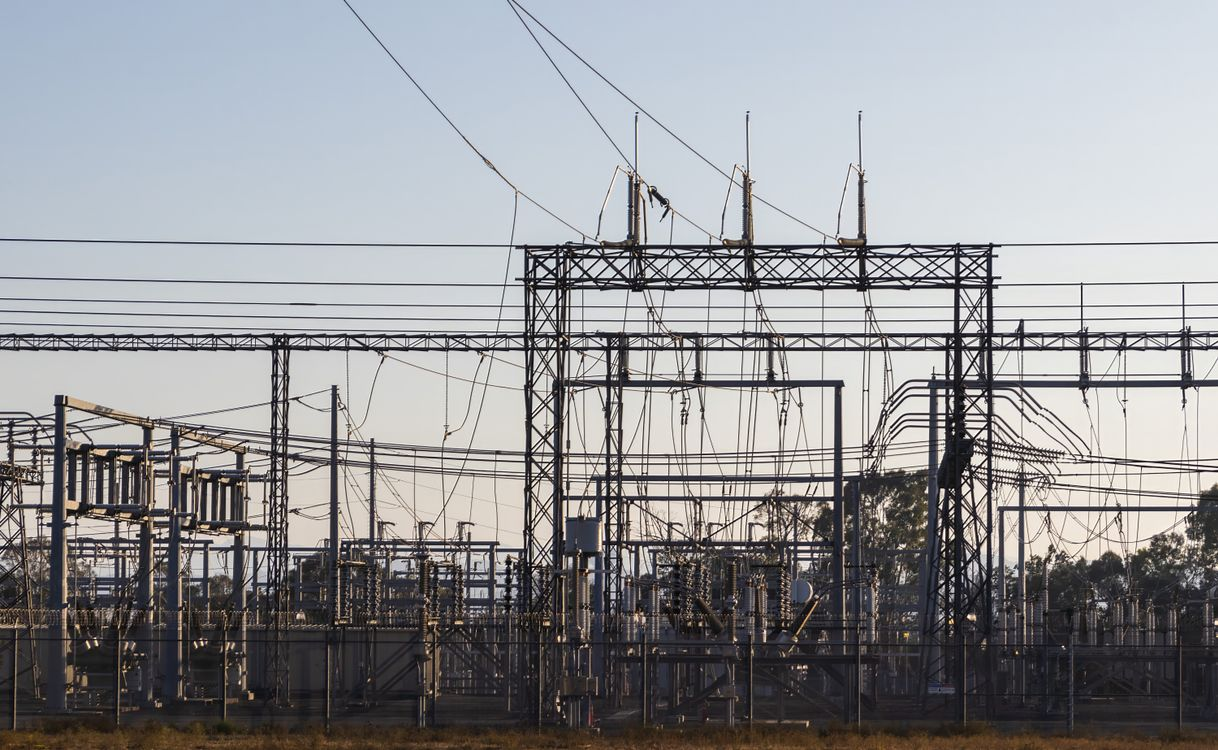
- Copenhagen Infrastructure Partners has appointed TECO to deliver Fengmiao II's onshore substation.
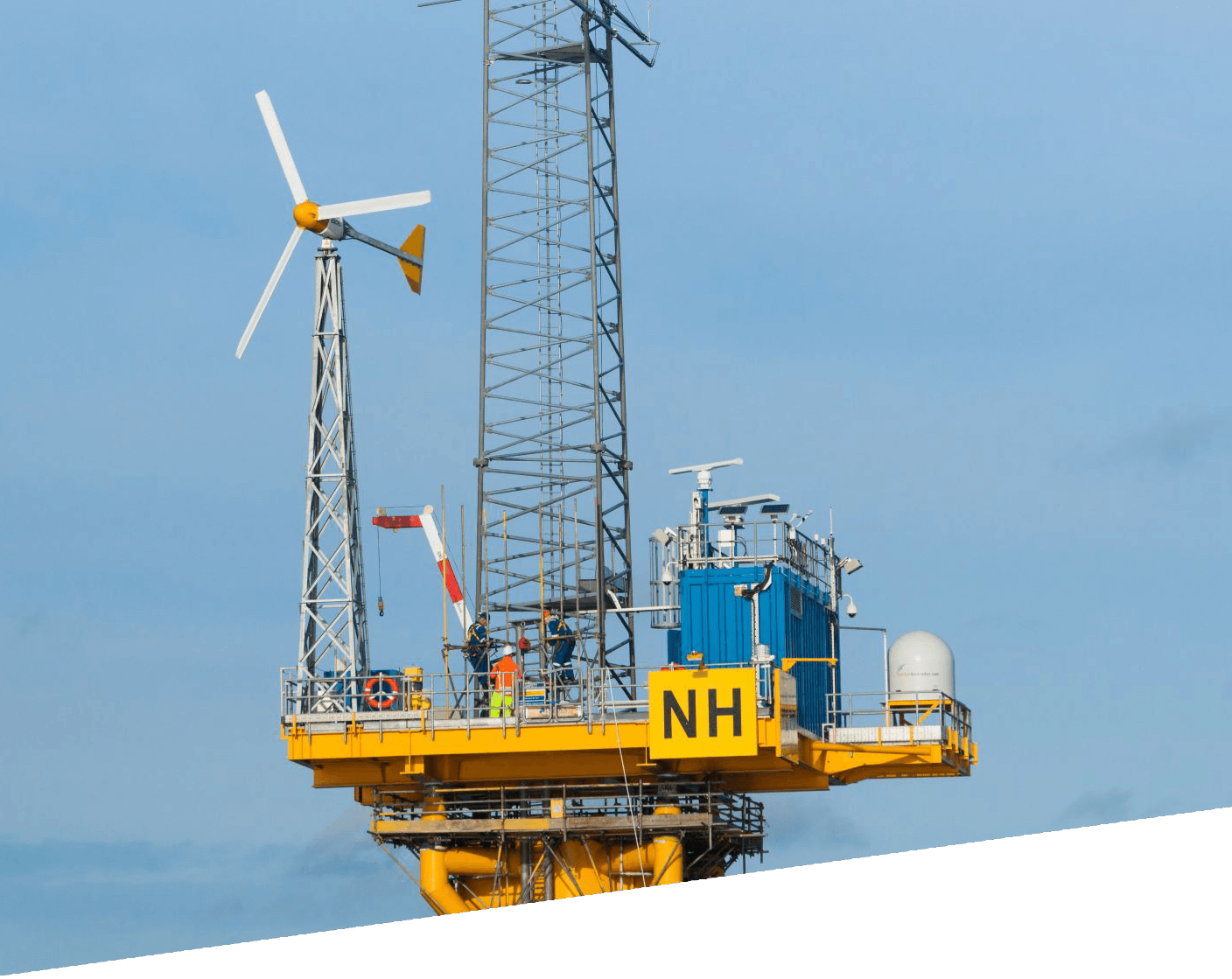
- The award follows a separate offshore substation contract placed with Semco Maritime and PTSC Mechanical & Construction.
- The developers are targeting financial close by the end of June 2027.
TECO Electric & Machinery has secured an engineering, procurement, and construction contract for the onshore substation serving Copenhagen Infrastructure Partners’ 600 MW Fengmiao II offshore wind development in Taiwan, advancing procurement of the electrical infrastructure ahead of a targeted 2030 grid connection.
Copenhagen Infrastructure Partners (CIP) is developing Fengmiao II in cooperation with Copenhagen Offshore Partners. The project, located approximately 40 km offshore from Taichung, secured capacity through Taiwan’s Round 3.2 offshore wind allocation in August 2024. The developers are targeting financial close by the end of the second quarter of 2027.
The contract is TECO’s fourth collaboration with CIP in the Taiwanese offshore wind market, following its involvement in the Changfang and Xidao, Zhong Neng, and Fengmiao developments. The manufacturer says its cumulative offshore wind project portfolio now exceeds 3 GW of generating capacity. That figure relates to the capacity of developments served by its work, rather than the capacity of equipment already commissioned under the latest contract.
Fengmiao II’s onshore award follows a separate engineering, procurement, and construction contract for its offshore substation, signed by Vietnam’s PTSC Mechanical & Construction and Danish engineering company Semco Maritime on 13 November. Together, these awards establish the principal contractor relationships for the two substations required to transfer power between the offshore generating installation and Taiwan’s national electricity system.
The offshore substation receives electricity from groups of turbines connected by inter-array cables. Voltage is increased for transmission to shore, reducing current for a given transfer of active power and thereby limiting resistive losses in the export circuit. The onshore substation establishes the electrical interface between those export cables and the receiving electricity network.
The precise voltage ratings and equipment configuration of TECO’s new installation have not been disclosed. Depending on the final architecture, the onshore equipment package may include power transformers, high-voltage switchgear, protection and metering systems, and equipment for managing reactive power. Its design must be compatible with the specifications agreed for the offshore substation and export cable systems.
With separate organisations delivering the two substations, establishing common interface requirements early in engineering is particularly important. Transformer characteristics, switching arrangements, protection settings, and communications protocols must be coordinated so that equipment procured under individual contracts can function as a single electrical system.
Protection coordination is complicated by the electrical characteristics of large converter-connected generating installations. Wind turbine converters have different fault-current behaviour from conventional synchronous generators. The protection strategy must account for that response while detecting faults on the collection circuits and export infrastructure and isolating affected equipment appropriately.
The export cable specifications also affect the design of the terminal substations. Long submarine AC cables contribute capacitive charging current, which can influence voltage and available transfer capacity. If compensation equipment is required, its rating and control arrangements must be established through studies of the complete electrical connection, rather than selected independently at either end.
TECO’s earlier Fengmiao contract provides experience of working within CIP’s delivery arrangements. Construction of the onshore substation for the 500 MW first Fengmiao project began in 2025. Repeating contractor relationships can support consistency in engineering interfaces and procurement procedures, although the second development’s different capacity and site-specific requirements must be reflected in its design.
Taiwan’s offshore wind programme has created opportunities for domestic electrical equipment suppliers and construction contractors to participate alongside international specialists. The division of the Fengmiao II substation contracts between Taiwanese, Danish, and Vietnamese organisations illustrates how electrical equipment procurement, fabrication, and site installation can be distributed across several manufacturing and engineering markets.
The electrical connection’s availability will ultimately govern when the offshore generating plant can deliver its full output. Civil works, equipment manufacture, export cable installation, energisation, and protection testing must therefore be coordinated with turbine installation and commissioning schedules. Comparable dependencies arise in European developments, where offshore substation delivery forms part of the construction sequence alongside foundations and generating equipment.
The November offshore award and the subsequent onshore contract come ahead of the planned financing milestone. This sequence gives CIP a clearer contractual basis for assessing the cost and delivery schedule of the two substation packages before financial close.
CIP’s target of financial close by June 2027 establishes the next major commercial milestone for Fengmiao II. Further detailed engineering, equipment procurement, construction, and network compliance testing will be necessary before the completed electrical infrastructure can support the intended 2030 grid connection.