IN Brief:
- The first six turbines connected within 16 minutes and delivered the required 45 MW.
- A total of 19 turbines, representing 149 MW of generation potential, participated in the exercise.
- The test used a hybrid offshore interconnector with a normal cross-border transfer rating of 400 MW.
Danish transmission system operator Energinet has demonstrated how offshore wind generation can contribute to restoring the electricity network following a simulated blackout on Zealand. The operator connected 19 turbines at Kriegers Flak to an isolated transmission network section after establishing voltage using electricity supplied from Germany.
The exercise took place on 14 November with wind farm operator Vattenfall, German transmission operator 50Hertz, and energy company EnBW. The results, disclosed on 25 November, showed that six turbines could be brought into operation within 16 minutes, providing the 45 MW required at that stage of the restoration sequence.
Further turbines were connected until the participating units represented a combined generation potential of 149 MW. The figure describes available generating potential rather than a measured constant output across the entire test. Energinet considers the exercise potentially the first occasion on which a transmission operator has tested an offshore wind farm as an active generating resource during a practical network restoration exercise.
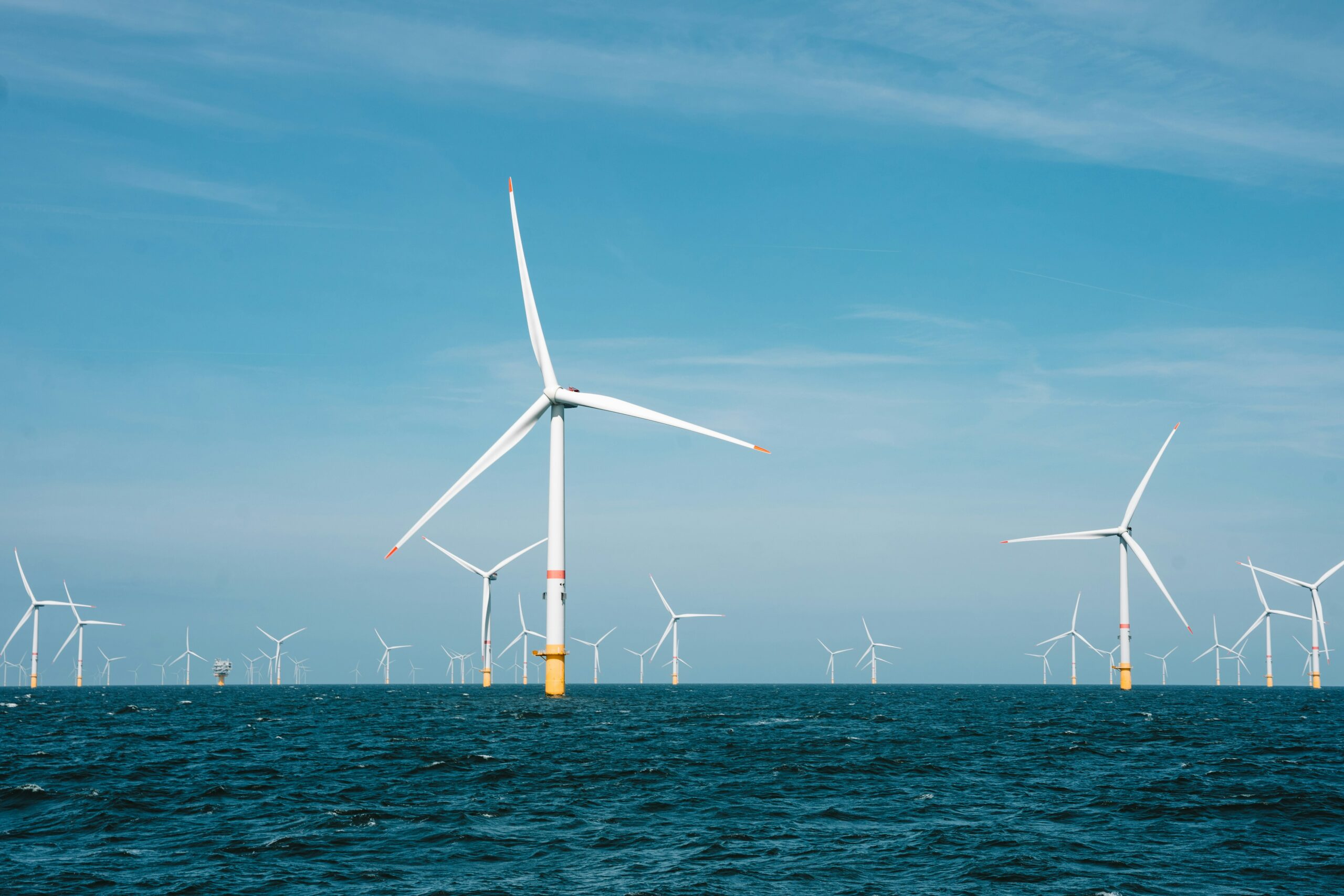
The 604 MW Kriegers Flak development contains 72 turbines and is connected to Germany’s Baltic offshore wind infrastructure through the Combined Grid Solution. The arrangement has been in cross-border service since 2020 and provides up to 400 MW of transfer capacity between the two electricity markets. Under normal operating conditions, its offshore cables carry both wind generation and electricity exchanged between the national networks.
Using existing wind farm connections to exchange electricity avoids the need for a completely separate interconnector along the same route. It also means that cross-border trading capacity must be coordinated with offshore generation, since both functions use parts of the same electrical infrastructure. NKT supplied a 220 kV cable system rated for 600 MW and a separate 170 kV cable system rated for 400 MW for the combined development.
The German and eastern Danish electricity systems belong to different synchronous areas. A back-to-back high-voltage direct current converter enables electricity to pass between the systems while allowing their respective AC frequencies to operate independently. During restoration, the cross-border connection provided a means of establishing the initial electrical conditions required to bring the wind farm’s turbines into service.
An offshore wind turbine’s capacity to supply electricity into an established network does not automatically mean that it can establish a network voltage independently. Most conventional grid-following converters require an external voltage reference against which they can regulate the current delivered to the grid. Without that reference, an additional source is required to energise the electrical system before the turbines can be connected.
Kriegers Flak’s contribution therefore followed initial energisation rather than constituting an autonomous black start by the turbines. Bringing the first six machines into service increased the power available within the isolated network, allowing the operators to evaluate the contribution of offshore generation without relying solely on the initial external supply.
The availability of imported power is only one constraint. Energising long submarine cables introduces capacitive reactive power, while switching transformers into service can produce transient currents. Both effects require careful coordination of voltage control and protection as sections of the electricity network are restored. Adding generation or demand too rapidly can also disturb the balance between supply and consumption within the electrical island.
A restoration plan must account for the wind farm’s available output at the time of an outage. Installed generation ratings indicate the maximum capability of the equipment under specified conditions; they do not guarantee a particular contribution when the electricity system needs to be restored. Operators also need to establish that auxiliary equipment, communications, and the relevant electrical connections remain available following the initiating event.
Other technologies can complement interconnector-assisted restoration. Battery installations equipped with grid-forming controls can establish a voltage waveform without a pre-existing external reference, subject to their design and available energy. Statkraft’s recent commissioning of a grid-forming battery in Scotland demonstrates another approach to providing system support as conventional synchronous generation declines.
Neither storage nor wind generation removes the requirement for a coordinated restoration plan. The network configuration, available energy resources, and condition of transmission equipment determine the sequence through which electricity supplies can be recovered. Cross-border arrangements also depend on cooperation between the operators of both systems and the availability of power in the neighbouring network.
The November trial was conducted on an isolated network section rather than through an interruption to normal consumer supplies. Its successful 45 MW initial wind contribution gives Energinet a measured basis for incorporating offshore generation into restoration planning for eastern Denmark when the German connection is available.