IN Brief:
- Kaiga Unit 1 achieved criticality on 22 November following a 600-day refurbishment outage.
- India's Atomic Energy Regulatory Board authorised Rajasthan Unit 8's first approach to criticality on 19 November.
- Rajasthan Unit 8 is the fourth reactor in India's domestically developed 700 MWe pressurised heavy water reactor series.
Nuclear Power Corporation of India Limited (NPCIL) has advanced the start-up programmes of two nuclear generating units, with Kaiga Unit 1 achieving criticality following refurbishment and Rajasthan Atomic Power Project Unit 8 receiving regulatory permission for its first approach to criticality. The milestones advance India’s parallel programmes to extend the operating lives of existing nuclear assets and introduce additional domestically designed generating capacity.
Kaiga Unit 1, in Karnataka, achieved criticality on 22 November following a refurbishment outage lasting approximately 600 days. NPCIL described the duration as a record for comparable work across its generating fleet. The reactor has a gross electrical generating capacity of 220 MWe and a net capacity of 202 MWe, according to the World Nuclear Association’s reactor database.
The unit was first connected to the electricity network in 2000 and forms part of a four-reactor station with a combined gross generating capacity of 880 MW. Its return to criticality establishes that a sustained nuclear chain reaction has been re-established, with further commissioning activities required before the generating unit can return to its full commercial output.
Refurbishment represents a substantial component of the investment required to maintain an established nuclear generating fleet. Equipment condition, accumulated operating experience, and regulatory requirements influence decisions about which components can remain in service and which require replacement or modernisation. These programmes can preserve substantial generating capacity without the construction of an entirely new power station.
The duration of Kaiga’s outage is commercially significant because electricity production remains unavailable while major refurbishment activities are undertaken. Returning a generating unit to service requires coordination between specialist contractors, equipment suppliers, engineering teams, and the organisations responsible for verifying its readiness. Reducing the overall outage duration can limit the period during which replacement electricity must be obtained from other generating resources.
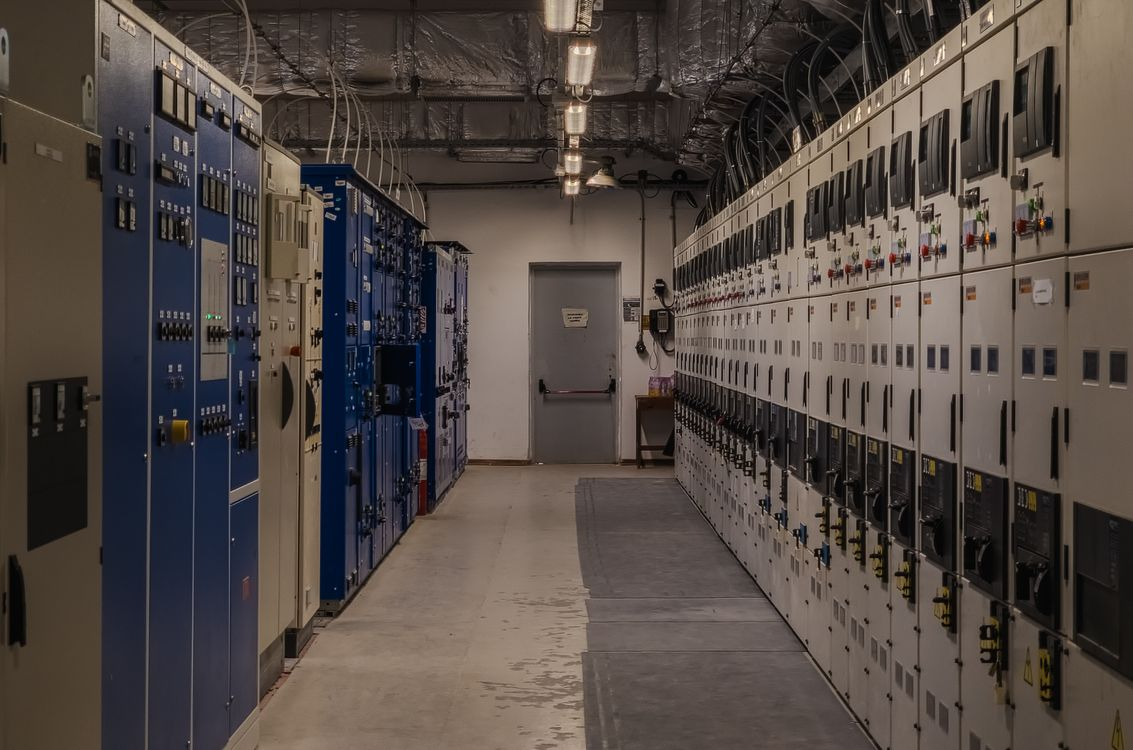
Retaining existing generating infrastructure also preserves the value of associated electrical equipment where it remains suitable for continued operation. Turbine generators, transformers, switchgear, auxiliary electricity supplies, protection systems, and plant monitoring equipment have their own inspection and maintenance requirements, which must be coordinated with the wider refurbishment programme.
At Rajasthan Atomic Power Project Unit 8 in Rawatbhata, the Atomic Energy Regulatory Board granted permission for the reactor’s first approach to criticality on 19 November. India’s Department of Atomic Energy confirmed the decision on 20 November, following completion of the required regulatory safety reviews.
The 700 MWe reactor is the fourth unit in India’s domestically designed and constructed series of larger pressurised heavy water reactors. Its regulatory milestone follows the development of two units at Kakrapar and the preceding Unit 7 at Rajasthan. The Indian government identified Rajasthan Unit 8 as being in an advanced stage of commissioning during its July parliamentary reporting on nuclear project delivery.
The two Rajasthan units form part of a combined investment with a revised reported cost of Rs 22,924 crore. Developing additional units at an established generating site can allow some supporting infrastructure and engineering resources to be shared, although each reactor and its associated generating equipment must independently satisfy the requirements applicable to its operation.
Increasing the generating capacity of successive reactor designs also changes the requirements placed on the conventional electrical infrastructure. Larger turbine generators require appropriately rated transformers, switchgear, protection equipment, cooling infrastructure, and transmission connections. Their integration must be coordinated with the electricity network’s ability to accommodate the additional generating capacity.
NPCIL is extending the 700 MWe reactor series through the construction of two further units at Kaiga. The development will increase the station’s gross generating capacity from 880 MW to 2,280 MW once both additional units become operational. Government project schedules published in August identify June 2031 and June 2032 as their respective anticipated commissioning dates.
India’s longer-term nuclear expansion programme targets 100 GW of generating capacity by 2047. Delivering additional nuclear capacity will depend on the availability of specialist engineering resources, manufacturing capability, construction contractors, and electrical infrastructure across successive development programmes.
Elsewhere in the region, Rooppur Unit 1 recently delivered Bangladesh’s first nuclear electricity, a separate generating milestone. Maintaining the availability of the existing generating fleet remains an important element of India’s expansion. Kaiga Unit 1’s refurbishment preserves capacity already established within the electricity system, while Rajasthan Unit 8 advances the introduction of a larger generating asset. Both units must complete their remaining commissioning requirements before their respective generating capacities become available commercially.