IN Brief:
- Installation of 70 battery containers and 35 medium-voltage power station containers was completed in October 2025.
- Commissioning encompasses integrated equipment testing and verification of the high-voltage network connection.
- The previously anticipated October 2026 commercial operating date has passed, with no revised date confirmed.
Kyon Energy has begun technical commissioning of its 100 MW/203 MWh battery energy storage facility at Dahlem in Germany, moving the project from construction into integrated equipment testing. The installation in the Euskirchen district of North Rhine-Westphalia combines battery technology supplied by Saft with electrical infrastructure designed to connect the facility to the high-voltage network.
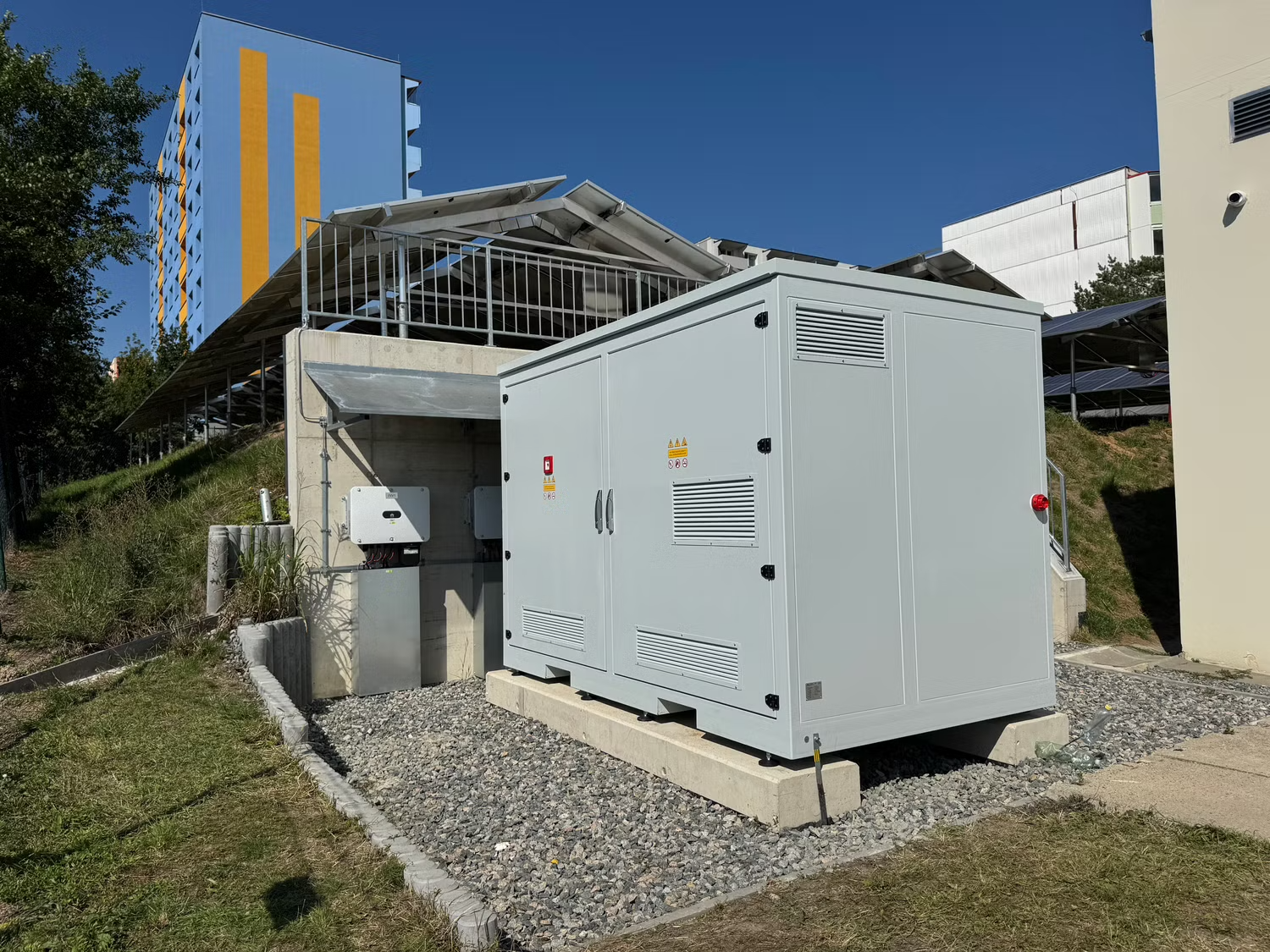
Both companies form part of TotalEnergies, which has expanded its activities in German electricity storage through Kyon’s development and operating portfolio. Dahlem incorporates 70 battery containers using lithium iron phosphate cells and 35 medium-voltage power station containers, which support the conversion and transfer of electricity between the battery equipment and the wider electrical system.
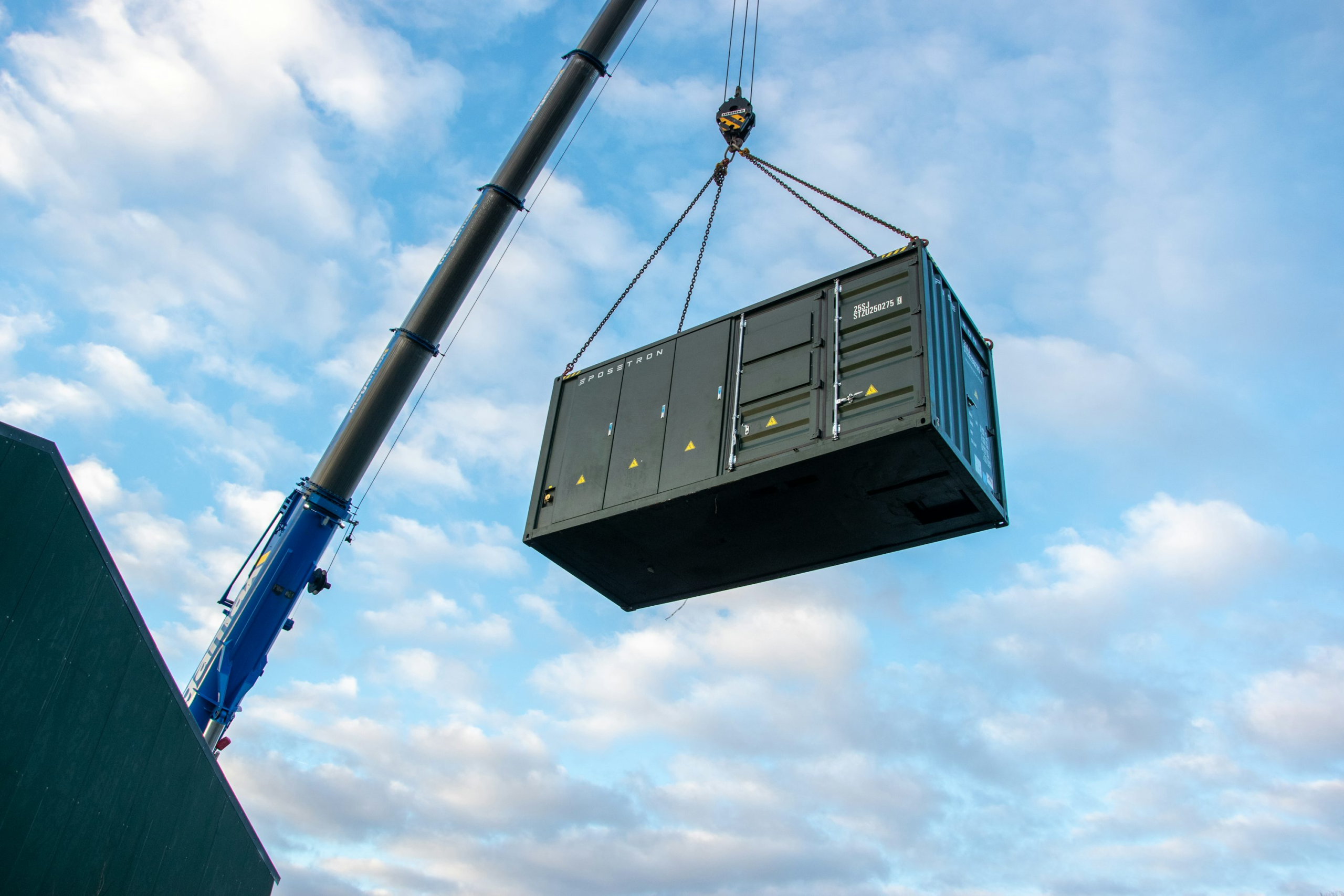
The delivery and positioning of those 105 containers was completed in October 2025 over 18 working days. At the time, Kyon and Saft anticipated energisation during the second quarter of 2026 and commercial operation in October. The latest announcement confirms that technical commissioning is now underway, but does not establish a revised date for the start of commercial operation or explain the change in timetable. Kyon has not disclosed whether all energisation activities originally scheduled for the second quarter have been completed.
The interval between placing equipment on its foundations and commencing commercial operation illustrates the extent of work required after the main battery assemblies reach a construction site. Containerised equipment reduces the amount of assembly that must take place outdoors, but the individual packages must still be connected to the site’s electrical and communications infrastructure, integrated with its controls, and tested as a complete facility.
The pairing of 70 battery containers with 35 medium-voltage power station containers gives Dahlem a modular equipment configuration. The power stations provide interfaces through which the direct current battery equipment can exchange electricity with alternating current circuits. The arrangement allows the overall power capacity to be distributed across multiple equipment packages rather than concentrated within a single conversion assembly.
Commissioning includes verification of the interaction between the individual components and the high-voltage grid connection. Battery management systems monitor the condition of the cells and modules, while the plant controls coordinate the operating instructions issued to the power conversion equipment. The complete installation must maintain its required electrical behaviour as the availability and operating limits of individual sections change.
The integration of protection and control equipment is particularly important during transitions between charging, discharging, and standby operation. A change in the overall dispatch instruction can alter the electrical loading of multiple circuits simultaneously. Measurements, communications, and control responses must remain coordinated so that the facility operates within its specified connection and equipment ratings.
The choice of lithium iron phosphate chemistry also influences the installation’s operational and maintenance requirements. Although the chemistry is established in stationary storage applications, the cells must still remain within specified temperature, voltage, and current limits. Battery monitoring, cooling equipment, and protective arrangements operate alongside the power conversion systems and must remain available throughout commercial operation.
Dahlem’s energy rating corresponds to approximately two hours of nominal discharge at its maximum power. Maintaining access to the full electrical power rating is separate from maintaining sufficient stored energy to sustain that output. The plant’s control strategy will determine how it balances those requirements when undertaking different electricity trading or system service activities.
The project follows Kyon’s commissioning of its separate 137.5 MW/282 MWh battery installation at Alfeld in October. Both facilities are designed around broadly comparable nominal discharge durations, but their different grid connection locations and electrical ratings create distinct infrastructure and operating requirements. Dahlem will extend the company’s operational footprint into North Rhine-Westphalia once commissioning is completed.
Germany’s growing battery fleet is developing alongside a power system with increasing volumes of wind and photovoltaic generation. Variations in renewable output can create opportunities to move electricity between periods of relatively abundant supply and periods when it is more valuable. Battery operators can also provide eligible system services, although their ability to do so depends on the technical qualification of the equipment and the available commercial arrangements.
Kyon’s latest milestone moves Dahlem into the phase where the performance of its assembled equipment and network interface must be demonstrated. The completed facility will provide up to 100 MW of controllable electrical power within its specified operating limits, with commercial service dependent on the successful conclusion of the outstanding commissioning activities.