IN Brief:
- Cobalt Energy has received its Certificate of Mechanical Completion following delivery of its contracted construction works.
- The engineering programme encompassed civil infrastructure, mechanical equipment installation, electrical cabling, and testing.
- Subsequent battery technology commissioning will take place under Cobalt Energy's Electrical Safety Rules.
Cobalt Energy has achieved mechanical completion at a battery energy storage development in north-west England, concluding its contracted civil and electrical infrastructure works ahead of battery technology commissioning. The Stockport-based engineering contractor has received its Certificate of Mechanical Completion, allowing the equipment supplier to progress with the next phase of the development under Cobalt’s Electrical Safety Rules.
Cobalt was responsible for engineering, procurement, and construction across the project’s civil and electrical balance-of-plant infrastructure. The company completed the contracted works within the required delivery schedule and reported that construction concluded without accidents. Its responsibilities encompassed the infrastructure supporting the battery technology rather than the manufacture of the storage equipment itself.
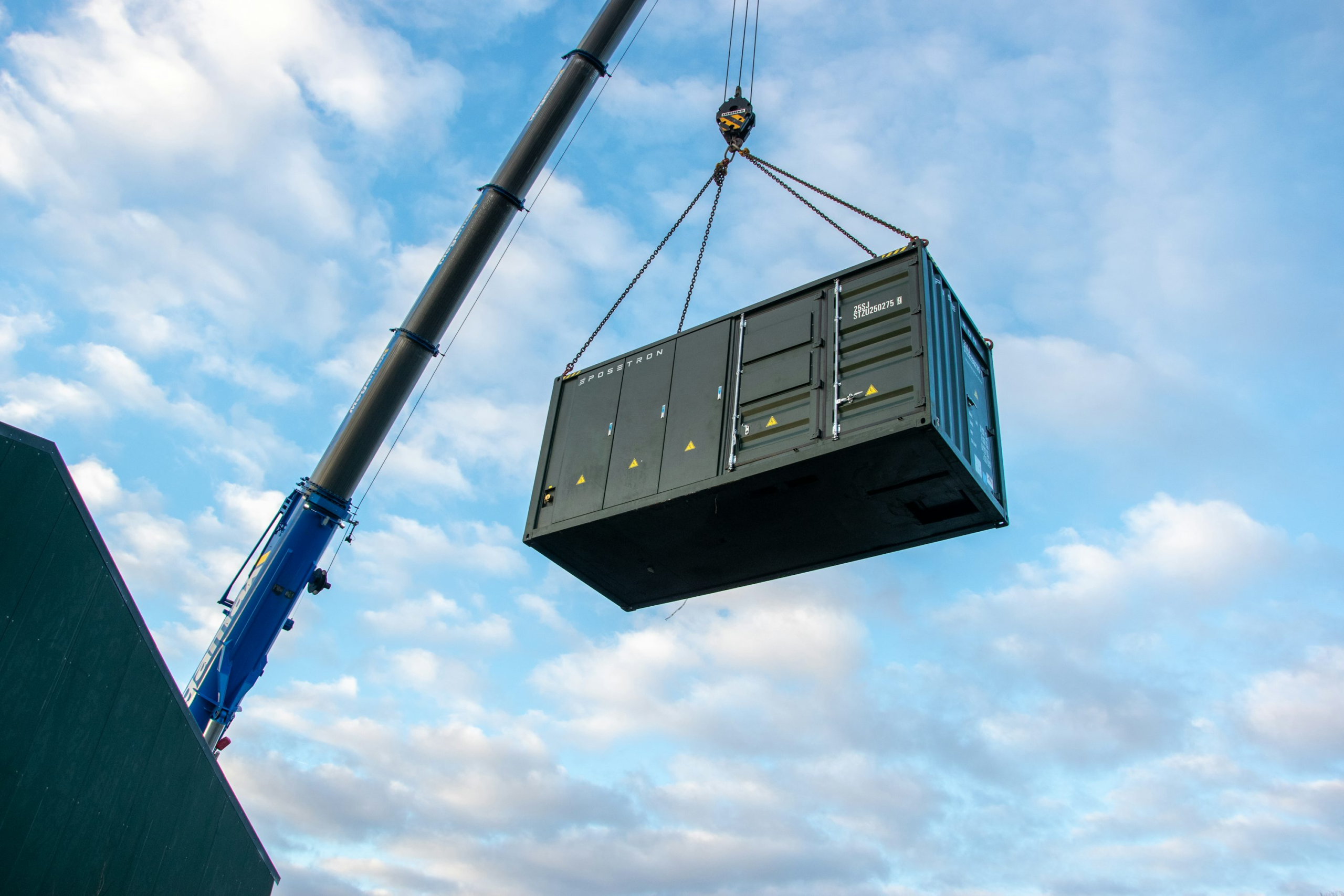
The construction programme began with earthworks, foundations, and supporting infrastructure before progressing into mechanical equipment installation and specialist lifting activities. Electrical cabling, equipment installation, and testing followed, preparing the development for the transfer into battery commissioning.
Mechanical completion represents a significant contractual milestone within a construction programme involving separate equipment and infrastructure suppliers. It establishes that the works covered by the relevant construction responsibilities have reached the required stage of completion, allowing subsequent commissioning activities to proceed. It does not establish that the battery installation has demonstrated its full electrical performance or become available for commercial operation.
That distinction is particularly relevant to battery storage developments because factory-assembled equipment can be delivered considerably earlier than the date on which a complete facility becomes operational. Battery containers and power conversion equipment require supporting infrastructure capable of accommodating their mechanical loads, electrical ratings, communications interfaces, and maintenance requirements.
The civil engineering and electrical design must therefore be coordinated before equipment reaches the site. Foundation positioning influences the length and configuration of cable routes, while access arrangements determine how heavy equipment can be moved into position and subsequently maintained or replaced. Changes to the original equipment specification can affect several of these requirements simultaneously.
Electrical balance-of-plant engineering establishes the infrastructure through which the battery technology connects with the wider electricity system. Depending on the configuration of the development, this can encompass collection circuits, transformers, switchgear, protection equipment, earthing systems, auxiliary electricity supplies, and communications infrastructure. Cobalt has not disclosed the specific equipment ratings or electrical connection voltage at the north-west installation.
Where battery equipment and balance-of-plant infrastructure are delivered under separate contracts, the interfaces between their respective scopes become particularly important. The technology supplier establishes the electrical and operational requirements of its equipment, while the infrastructure contractor must provide suitable connections and supporting systems. Differences between those requirements can affect the subsequent integration and commissioning programme.
The completion of electrical installation and testing provides a basis for transferring responsibility between the organisations involved. Test records, equipment documentation, and confirmation of the condition of installed infrastructure help establish which activities have been completed and which remain outstanding before the battery technology can be brought into operation.
Cobalt’s continued application of its Electrical Safety Rules during the next phase is particularly significant because the condition of the electrical installation changes as commissioning proceeds. Equipment previously isolated during construction may become energised, while battery assemblies can retain stored electrical energy independently of the availability of an external network supply.
Coordination between the technology supplier and the infrastructure contractor must account for those changing conditions. Defined responsibilities for equipment access, electrical safety, and the management of commissioning activities support the transition from a construction site into an operational electricity installation.
Integrated commissioning will subsequently establish whether the battery assemblies, power conversion equipment, protection systems, and plant controls can operate together within their specified electrical limits. The extent of the required testing will depend on the installation’s design, connection agreement, and the requirements established by the relevant equipment suppliers and network operator.
Other British storage projects are progressing through comparable construction and equipment integration programmes as additional capacity is developed across the electricity network. The allocation of responsibilities between technology suppliers and balance-of-plant contractors influences how those developments move from physical construction into operational testing, particularly when several organisations are responsible for different elements of the electrical system.
Cobalt has not identified the north-west installation by name or disclosed its battery supplier, power rating, energy capacity, or anticipated commercial operating date. Receipt of its mechanical completion certificate nevertheless establishes that the contracted construction infrastructure is ready for the next phase, with responsibility for battery technology commissioning now passing to the equipment supplier under the electrical safety arrangements established for the development.