IN Brief:
- Certas Energy, MJ Quinn Integrated Services, and UK Power Networks Services have been appointed.
- The framework covers modular battery equipment, power conversion systems, monitoring, controls, and associated electrical infrastructure.
- The initial framework period runs from December 2026 to December 2030.
United Utilities has appointed Certas Energy UK, MJ Quinn Integrated Services, and UK Power Networks Services (Commercial) to a £40 million battery energy storage procurement framework supporting the resilience of its water and wastewater infrastructure. The programme provides a route for procuring storage equipment across approximately 225 operational locations, with individual installations to be commissioned according to site requirements.
The procurement, identified by reference PRO005070, supports the company’s Power Resilience Programme during the AMP8 and AMP9 water industry asset management periods. United Utilities has confirmed the three appointed suppliers through its procurement portal, while the published award record identifies 20 November as the award date and 8 December as the framework’s commencement date. Its initial term extends to December 2030.
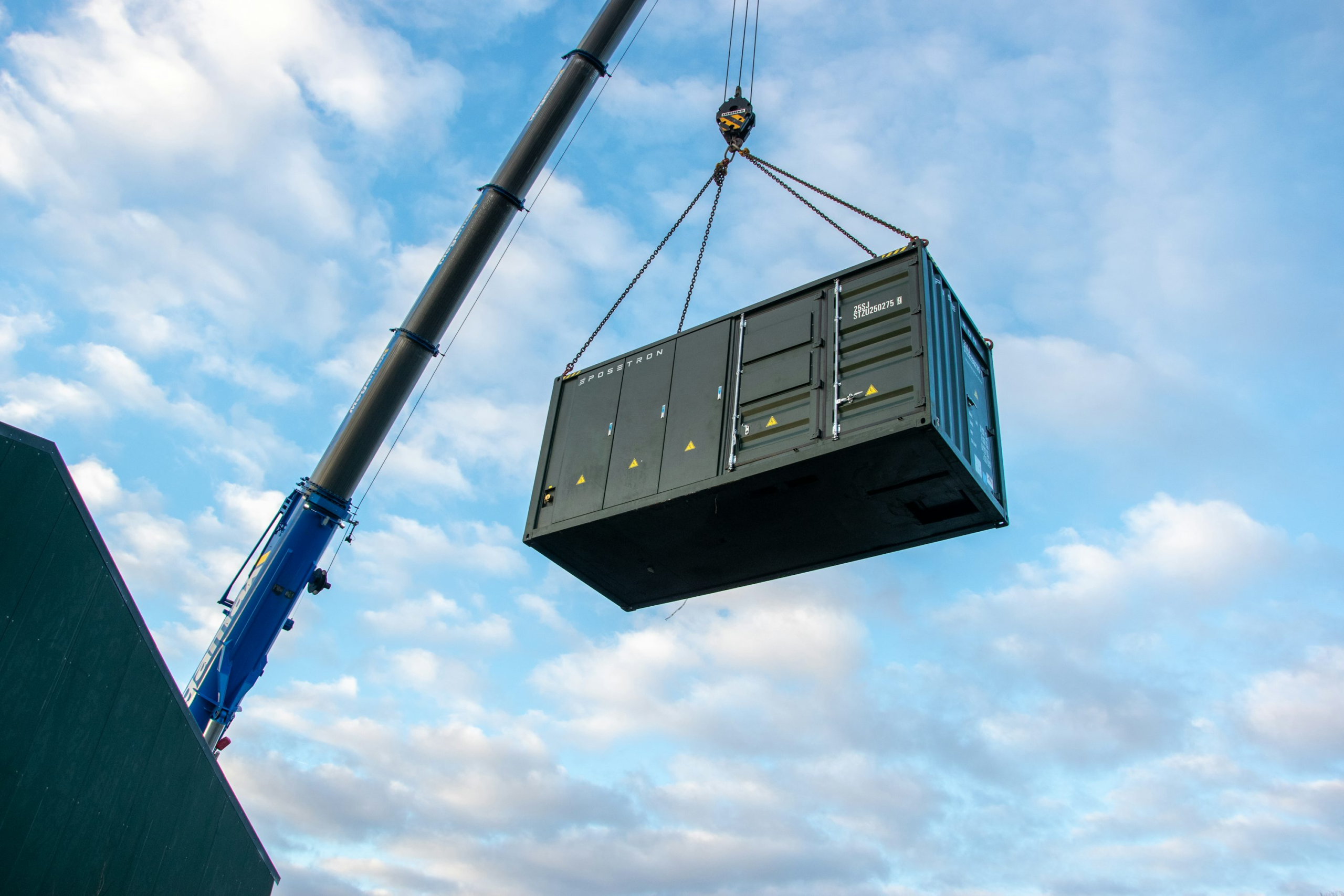
The framework encompasses containerised and modular battery equipment, power conversion systems, energy management technology, monitoring equipment, and electrical components required for integration with existing installations. United Utilities will be able to procure individual deployments through direct awards or competitions between appointed suppliers, according to the framework’s terms.
Maintaining electricity supplies is a significant operational requirement across water and wastewater infrastructure, where interruptions can affect pumping, treatment processes, instrumentation, and communications. The electrical characteristics of those facilities vary considerably, from relatively small remote installations to larger treatment works incorporating multiple industrial processes and substantial motor loads.
United Utilities’ procurement allows equipment configurations to be adapted to those differences while retaining a common approach to supplier selection and technical support. A storage installation supporting essential control equipment may require a considerably lower electrical rating than one intended to maintain the operation of pumps or treatment machinery during a network outage.
Determining the required storage capacity involves assessing both the electrical power needed to support essential equipment and the anticipated duration of interruptions. Motor loads can also impose short-term electrical requirements during starting, which must be accommodated by the power conversion equipment independently of the battery’s overall energy capacity.
Providing backup electricity requires more than connecting a conventional battery installation to an existing distribution board. Equipment designed exclusively for parallel operation with the public electricity network may stop supplying power when that network becomes unavailable. Where operational continuity is required during an outage, the electrical design must incorporate appropriate independent supply capabilities, isolation, protection, and controls.
Battery storage can also operate alongside existing standby generation and uninterruptible power supply equipment. Coordinating those assets allows different technologies to address different periods of interruption, depending on their response characteristics, available energy, and operating costs. The appropriate configuration will depend on the existing resilience infrastructure at each United Utilities location.
The framework extends beyond emergency electricity supply to encompass peak demand management and potential participation in network flexibility services. Industrial pumping schedules can create significant variations in electricity consumption, providing opportunities to use stored energy to reduce demand on external supplies during particular operating periods.
Combining resilience and commercial optimisation introduces a requirement to manage the battery’s available energy carefully. An installation discharged to reduce electricity costs may have insufficient remaining capacity to maintain critical equipment if an unexpected outage occurs. Its energy management system must therefore reconcile commercial dispatch opportunities with the reserve required to fulfil its primary operational responsibilities.
United Utilities has included technical support for integration with existing supervisory control and data acquisition infrastructure within the procurement’s potential scope. Connecting storage controls with site monitoring systems can give operational personnel information about battery availability and condition alongside data from the processes that depend on the electricity supply.
The framework also follows earlier investment in storage equipment under United Utilities’ resilience programme. A separate contract awarded to MJ Quinn Integrated Services in December 2025, valued at approximately £936,500, covered four battery installations at Adlington, Buckton Castle, Pex Hill, and Cloughbottom. The new framework establishes a broader procurement arrangement rather than simply extending that individual equipment order.
Warranties, performance guarantees, maintenance options, and commissioning assistance form part of the wider technical requirements for appointed suppliers. Standardising procurement across a geographically distributed portfolio could simplify the management of equipment documentation, replacement components, and servicing responsibilities, while allowing individual installations to retain configurations appropriate to their respective operating conditions.
The £40 million framework establishes the commercial mechanism through which United Utilities can commission subsequent battery projects. The number of installations ultimately delivered, their combined electrical and energy ratings, and the expenditure committed to individual suppliers will be determined through subsequent procurement and engineering assessments.