IN Brief:
- The development combines 65.6 MWp of photovoltaic generation with utility-scale battery storage.
- Nu Energy plans to integrate both assets through an energy management system and a direct 220 kV transmission connection.
- The developer is targeting commissioning in 2028, with financing approval still outstanding.
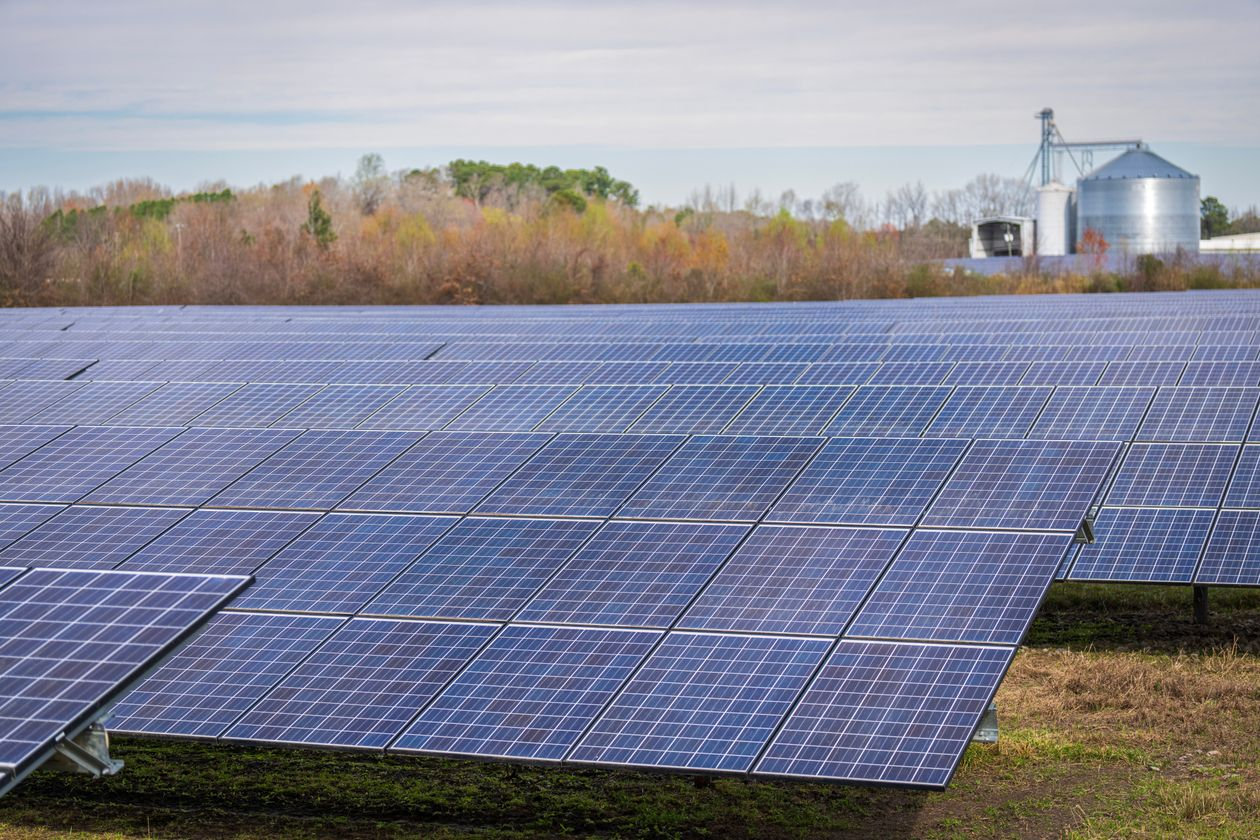
Nu Energy and Investment has signed a mandate letter with the European Bank for Reconstruction and Development (EBRD) concerning financing for its €63 million Bogetići solar and battery storage development in Montenegro. The proposed installation, located within the municipality of Nikšić, will combine 65.6 MWp of photovoltaic generating capacity with a battery energy storage system rated at 65 MW and 130 MWh.
The agreement advances negotiations over long-term project financing, with the development now subject to further technical, financial, and environmental assessment. Nu Energy’s published project timetable identifies 2028 as the intended commissioning year. Its financing mandate does not establish the amount of debt available or constitute final approval of an EBRD loan.
Bogetići represents the developer’s largest proposed investment in Montenegro. Its design incorporates an energy management system coordinating the generating and storage assets, alongside a direct connection to the country’s 220 kV transmission network. Nu Energy describes the combination of these technologies as a first for a Montenegrin solar power station.
The proposed electrical configuration gives the battery a power rating broadly equivalent to the photovoltaic array’s nominal direct current rating. Its 130 MWh energy capacity corresponds to two hours of nominal discharge at 65 MW. The relationship between these figures will influence the operating strategy of the installation, particularly when determining how much photovoltaic production should be exported immediately and how much should be retained for subsequent delivery.
Connecting both technologies at a common transmission interface also places additional responsibilities on the plant’s control system. Photovoltaic generation varies with solar conditions, whereas battery output can be adjusted according to the available stored energy and the permitted operation of its power conversion equipment. The energy management system must coordinate these characteristics while respecting the electrical limits of the installation and its network connection.
During periods of high photovoltaic output, the battery could absorb electricity that would otherwise be exported or curtailed. When generation declines, stored electricity could support continued exports. The final operating arrangements will depend on the site’s permitted import and export capacity and whether its commercial agreements allow charging from the external electricity network as well as from the photovoltaic installation.
A direct 220 kV connection brings Bogetići into the high-voltage transmission environment rather than relying solely on local distribution infrastructure. Its engineering programme will need to coordinate the generating equipment, battery converters, collection circuits, transformers, switchgear, and protection systems with the requirements of the transmission operator. The characteristics of the connection will determine the electrical capacity that can be exchanged with the network at any particular time.
Montenegro’s electricity system has historically depended heavily on hydropower and thermal generation. Hydrological conditions influence the volume of electricity available from hydroelectric assets, while electricity imports and exports provide additional flexibility through regional transmission connections. Increasing domestic photovoltaic generation introduces a further source of electricity whose availability follows a different resource profile.
Battery storage can complement that generation by addressing shorter variations in electricity supply and demand. The two-hour configuration proposed at Bogetići is suited to intraday energy transfers, rather than retaining sufficient electricity to compensate for extended periods of reduced renewable generation. Longer-duration flexibility will continue to depend on other resources available to the Montenegrin system.
The financial assessment of the project will also need to account for the different operating lives of its generating and storage equipment. Photovoltaic modules can remain operational for several decades, while battery capacity changes through ageing and repeated use. The frequency and depth of battery cycling will influence the amount of usable storage retained over time and the expenditure required to maintain the installation’s intended performance.
These factors affect revenue forecasts for a hybrid development because the value of storing electricity must be considered alongside conversion losses, operating expenditure, and equipment degradation. The commercial assessment will also need to establish the value of any balancing services the battery could provide, subject to the applicable market arrangements and technical qualification requirements.
Nu Energy’s published development programme envisages construction beginning in 2026. The latest financing announcement does not establish that physical construction has commenced, leaving the timing of major equipment procurement and installation dependent on subsequent project decisions.
The mandate establishes a route for progressing the financing assessment while the developer prepares for delivery of the integrated generating and storage infrastructure. Final investment commitments, equipment supply arrangements, and construction schedules will determine whether the development can meet its 2028 commissioning target.