IN Brief:
- Smartecon is delivering the Raudsepa installation under a turnkey construction contract.
- LG Energy Solution will supply battery equipment, with Power Electronics providing European-manufactured inverters.
- The facility will pursue electricity trading and ancillary service revenues following its anticipated entry into operation in November 2027.
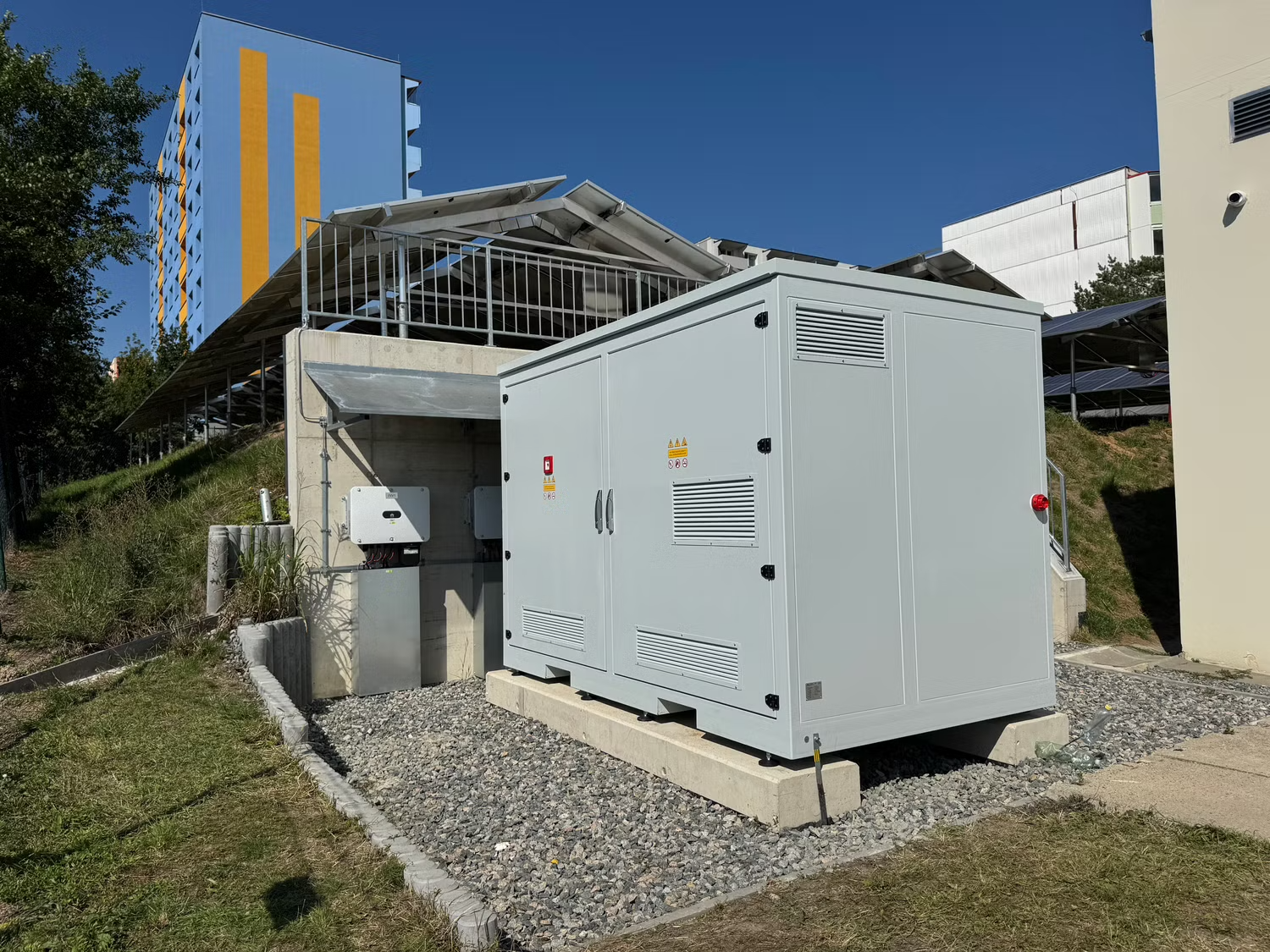
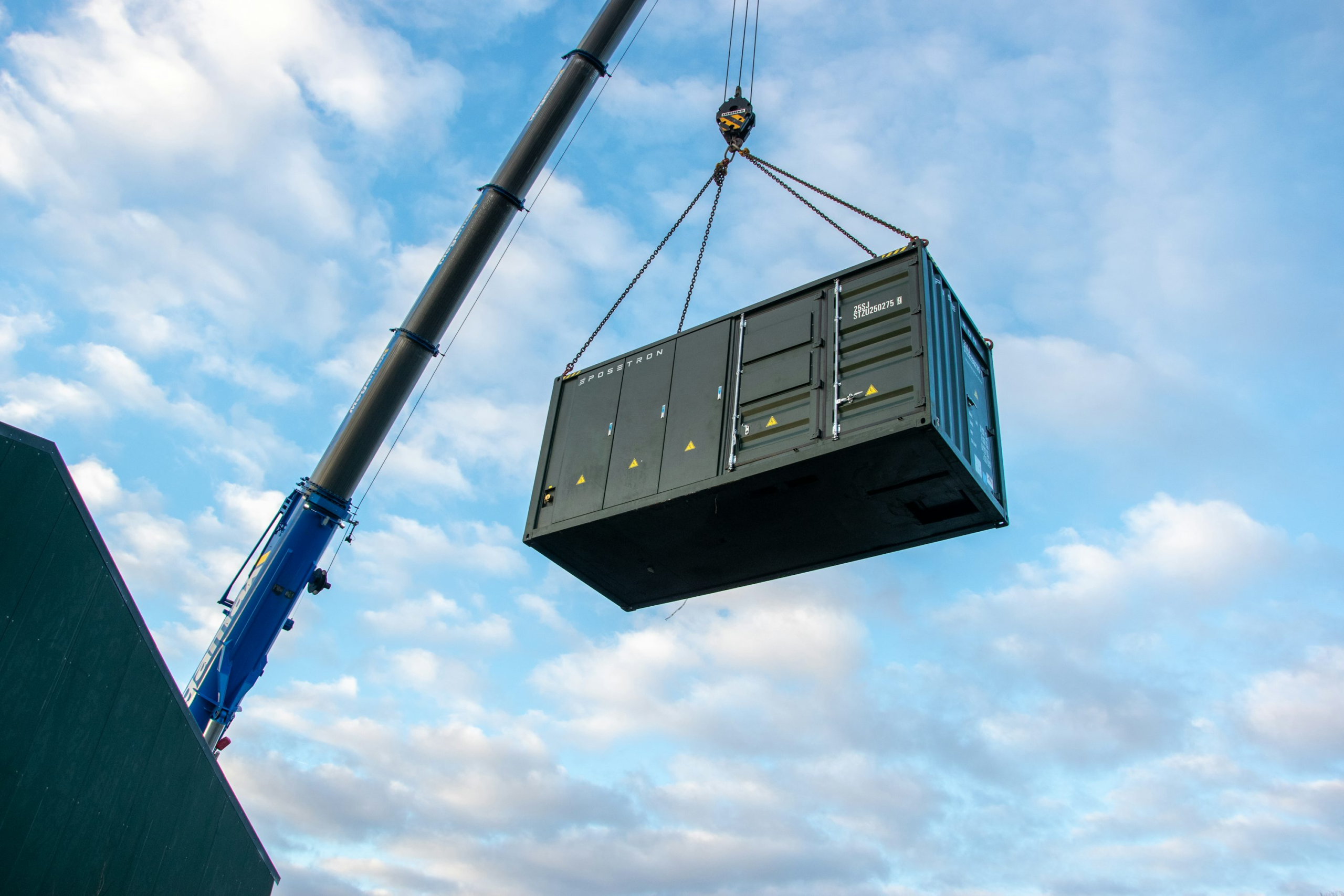
AFRY has secured a construction management and engineering consultancy appointment for the 192 MW/420 MWh Raudsepa battery energy storage development in southern Estonia. The second-phase contract extends the consultancy’s involvement into project delivery, covering detailed engineering reviews, construction supervision, technical advice, and oversight of health, safety, environmental, and quality requirements.
Located approximately 50 kilometres south of Tartu, near the Tsirguliina high-voltage substation, Raudsepa reached a final investment decision in September. The project is jointly owned by Taaleri Energia’s SolarWind III Fund, a co-investor in the fund, and KJK Fund III, following its sale by original developers Evecon and Corsica Sole. Full operation is expected by November 2027.
Estonian contractor Smartecon is delivering the construction and installation under a turnkey contract. The project will use battery storage equipment supplied by South Korea’s LG Energy Solution and European-manufactured inverters from Power Electronics. AFRY’s appointment therefore encompasses the supervision of a delivery programme involving equipment and engineering responsibilities distributed across several organisations.
Reviewing detailed engineering before equipment installation can identify conflicts between the specifications established by individual suppliers and the requirements of the complete electrical system. Battery assemblies have defined operating voltage, current, and temperature limits, while inverters and transformers have their own electrical ratings. Their interfaces must be compatible across the anticipated range of charging and discharging conditions, including when the plant is operating below its rated output.
The construction design must also provide appropriate electrical protection and monitoring across the installation. Large battery systems typically combine groups of battery assemblies and converters into collection circuits before electricity is transferred through the main grid connection. The design of those circuits influences fault isolation, maintenance access, and the ability to retain some operating capacity when individual sections are unavailable.
Raudsepa’s published ratings correspond to approximately 2.2 hours of nominal discharge duration at maximum power. The relationship between those ratings is particularly relevant to the project’s intended operating strategy, which encompasses electricity trading and ancillary services. Committing a proportion of the installation’s available power to system services can affect the energy capacity and operating flexibility available for other commercial activities.
The Baltic electricity system has undergone substantial changes since Estonia, Latvia, and Lithuania disconnected from the Russian-controlled frequency area and synchronised with continental Europe in February 2025. The transition required new arrangements for managing electricity frequency and balancing generation against demand across the three countries, creating additional opportunities for controllable electricity assets.
The regional transmission system operators established a common balancing capacity market as part of those preparations. At its launch, Elering anticipated total Baltic demand for balancing capacity of approximately 1,500 MW in 2025. The market allows eligible resources to offer capacity that can be made available to support electricity system operation, with the applicable technical and commercial requirements depending on the particular service being provided.
Battery storage can respond to changes in system requirements by increasing or reducing its electricity consumption or generation. The amount of flexibility available depends on the facility’s state of charge as well as its power rating. A battery that is almost fully charged has limited remaining capacity to absorb electricity, while a nearly discharged installation may be unable to sustain additional exports. Maintaining an appropriate operating range is consequently important when a facility has contracted to provide balancing capacity.
Coordinating construction and subsequent operational requirements can reduce the need for changes after equipment has been installed. Access for maintenance, replacement of individual equipment packages, and the inspection of electrical infrastructure needs to be accommodated alongside the initial construction programme. AFRY’s health, safety, environmental, and quality supervision will extend across the delivery activities covered by its new appointment.
The Raudsepa investment decision followed growing interest in storage within the Baltic electricity market, where changes in generation and cross-border trading arrangements have contributed to demand for flexible capacity. Its proposed operating strategy will combine opportunities in electricity markets with system services, subject to the installation satisfying the relevant qualification requirements.
AFRY’s construction-phase appointment establishes additional engineering oversight during the period between the September investment decision and the targeted start of commercial operation. Smartecon will continue delivering the installation under its turnkey construction contract, with the integration, testing, and network connection of the 192 MW facility required before it can participate in electricity markets.