IN Brief:
- Germany’s Federal Network Agency estimates October 2026 net photovoltaic additions at 1,805 MW.
- The estimated national total stands at 132.726 GW across almost 6.5 million installations.
- Recent monthly figures include adjustments for late registrations and may change with further reporting.
Germany’s Federal Network Agency (Bundesnetzagentur) estimates that the country added 1,805 MW of net photovoltaic capacity during October 2026, based on its latest registration figures. The agency’s updated statistics put cumulative installed solar capacity at approximately 132.726 GW across almost 6.5 million installations. The figures describe generating equipment registered in the national fleet rather than the quantity of electricity produced during the month.
October’s estimate accounts for a delay between commissioning a photovoltaic installation and registering it in the Marktstammdatenregister, Germany’s central energy installation database. Initial reports do not necessarily capture every new solar array, so the latest calculation includes an allowance for registrations expected to arrive later. The number will be revised as records are received, corrected, and, where applicable, capacity is removed from the installed base.
The earlier September estimate was revised upwards from approximately 1,226 MW to 1,359 MW in the latest update. On that basis, the estimated October total represents a stronger installation month. Comparing preliminary numbers without their subsequent revisions can exaggerate or conceal changes in the installation rate, particularly when different project segments register their commissioning dates at different speeds.
Trade reporting of the latest Bundesnetzagentur figures identifies around 1,568 MW of initially registered net additions for October, with an estimated uplift to 1,805 MW to reflect later entries. This is an aggregate statistical adjustment rather than a set of additional projects individually verified as commissioned. Net capacity also differs from gross additions when installations are decommissioned or their registered ratings change; the final number can therefore move in either direction during later reconciliation.
Photovoltaic installations range from smaller rooftop arrays connected to low-voltage feeders to large solar farms with their own transformer and high-voltage connection equipment. Their engineering consequences differ by connection location, inverter settings, local demand, network fault levels, and permitted exports. The national capacity figure cannot indicate how much of that solar generation is available to any particular distribution circuit during sunny weather.
Concentrated solar production can increase voltage and reverse power flows on distribution networks, particularly around midday when local consumption is limited. Connection studies must check transformer loading, protective device coordination, voltage rise, and power quality. Inverter performance during frequency or voltage disturbances is increasingly important as more electricity comes from converter-connected generators, although grid operating requirements differ across installation sizes. Network studies will also consider whether clusters of new installations create coincident export peaks and whether inverter controls can manage voltage within prescribed limits. Reinforcement or operational export restrictions may be needed when local network capacity is insufficient.
Higher photovoltaic capacity also changes the balance between daytime generation and evening electricity demand. Solar output falls as daylight fades, and weather systems can affect several regions at once. Flexible generation, storage, demand-side response, and transmission capacity can help system operators manage the resulting fluctuations. The capacity register, however, does not measure the availability or effectiveness of those flexibility resources.
Germany’s statutory solar target is 215 GW by 2030. Reaching it requires additions to be assessed over successive years rather than against any one particularly strong month. From the latest estimated installed base, the numerical gap remains more than 82 GW; the future delivery rate will also be influenced by retirements, record revisions, connection queues, and the location of large installations relative to available network capacity. A 215 GW target also does not specify the required split between rooftops and large solar farms; each development pathway has different network interfaces and consenting requirements.
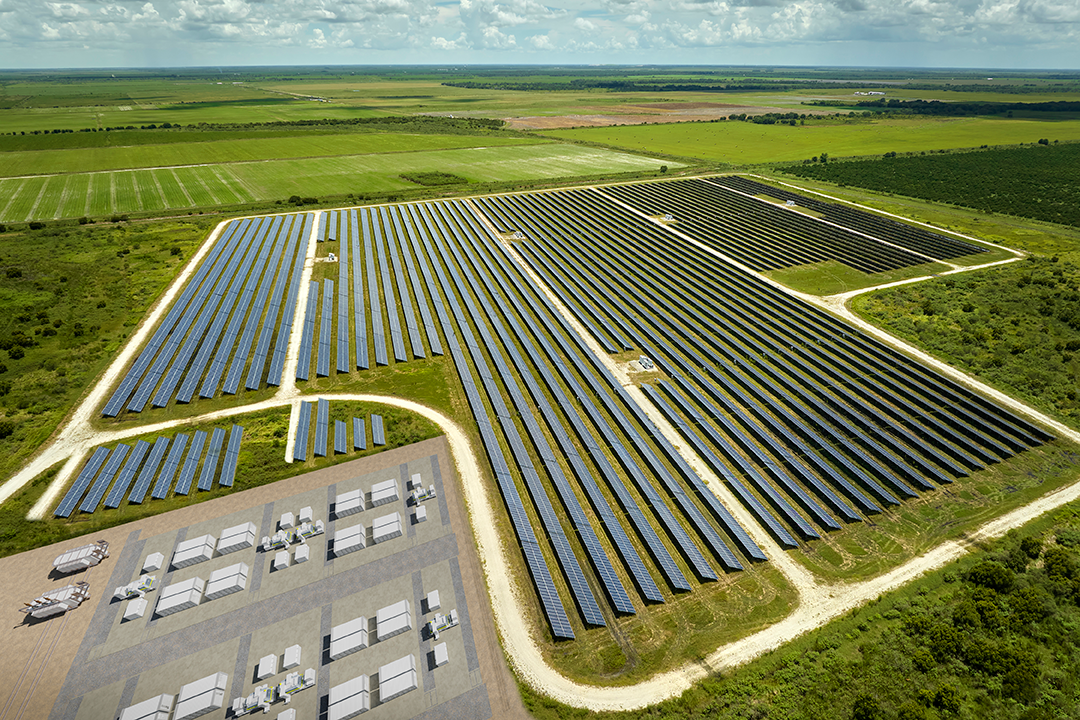
Large solar developments involve cable routes, inverter stations, transformers, substations, and detailed protection and control integration, while smaller systems place greater demands on installer capacity, metering, and distribution connection processes. The figures cannot identify specific equipment orders or network upgrades, but the pace and geographical concentration of additions influence the workload faced by electrical contractors and network operators. The high number of installations in the national register also underlines the scale of subsequent inspection, maintenance, and replacement work. These requirements arise at different points in the project life cycle: connection offers and equipment procurement precede installation, while protection testing, inverter settings, and witnessed energisation can determine when a completed plant begins exporting. The register does not reveal which of those stages proved difficult for individual projects.
The October estimate places Germany’s photovoltaic fleet at approximately 132.726 GW, with a stronger monthly addition than September on the figures currently available. The reported increase will remain provisional until more commissioning records have been incorporated into the official register. Later updates will show whether October’s apparent acceleration is sustained and whether the associated capacity is being connected where networks can accommodate it.