IN Brief:
- GE Vernova plans to invest $34.5m in manufacturing equipment, production processes and supporting infrastructure at its existing Shreveport factory.
- The expansion is expected to create 175 direct jobs while retaining 637 existing positions; Louisiana officials estimate a further 185 indirect jobs.
- Equipment installation will continue through 2027, with full production capacity targeted for 2028.
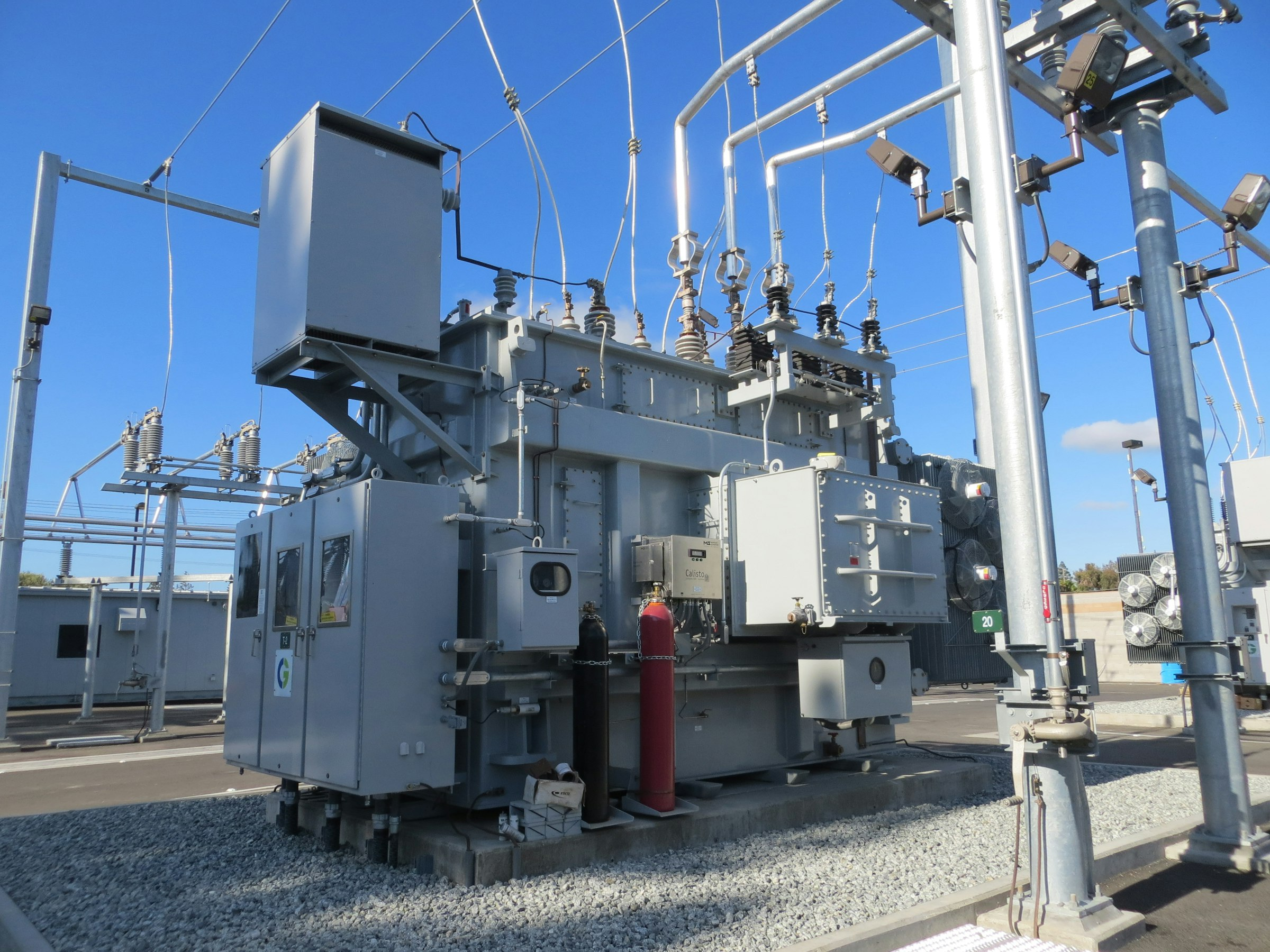
GE Vernova plans to invest $34.5m in its transformer manufacturing facility in Shreveport, Louisiana, expanding production capacity for electrical equipment used in industrial, renewable energy and digital infrastructure applications. The investment will introduce new manufacturing machinery, improve production processes and upgrade supporting infrastructure at the existing factory, with the expanded operation expected to reach full capacity in 2028.
The programme is expected to create 175 direct jobs in addition to the factory's established workforce. Louisiana Economic Development has confirmed that 637 existing positions are to be retained, while estimating that the project could support another 185 indirect jobs across northwestern Louisiana.
The estimated 360 additional job opportunities comprise the 175 direct positions and 185 indirect roles. They do not represent 360 new jobs at the Shreveport factory itself, and the indirect employment estimate remains a projection associated with the wider economic effects of the investment.
Engineering work and equipment procurement are already underway, with installation activity expected to continue through 2027. The improvements will take place within GE Vernova Transformers Shreveport LLC's established manufacturing operation on West Bert Kouns Industrial Loop rather than through the development of a separate new factory.
The Shreveport site has manufactured electrical transformers for more than five decades. General Electric began construction of the facility in 1969, with production starting in 1970. The operation now occupies approximately 500,000 square feet and has expanded its product range and manufacturing capability as electrical infrastructure requirements have changed.
The latest investment is intended to increase output of transformers for industrial and renewable energy customers, including applications associated with digital manufacturing facilities and battery energy storage systems. GE Vernova has not specified the number of additional units it expects to produce annually or the precise manufacturing capacity to be added in megavolt-amperes.
Transformer manufacturing capacity cannot be assessed solely through unit numbers because equipment may differ substantially in its electrical rating, dimensions and manufacturing requirements. A production line supplying relatively small industrial transformers has different throughput characteristics from one assembling larger or more specialised equipment.
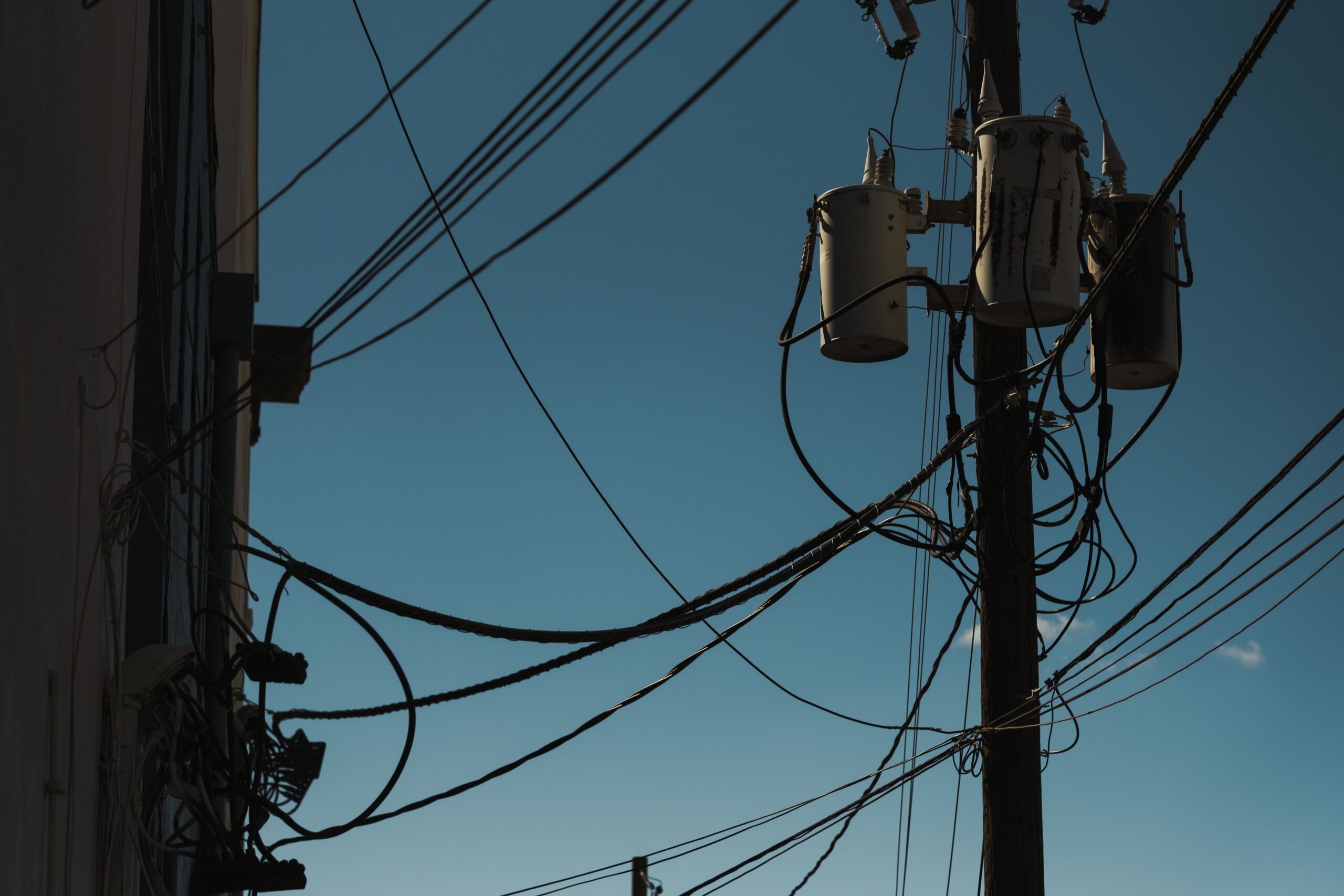
Transformers are used throughout electricity generation, transmission, distribution and industrial power systems. Their operation relies on electromagnetic induction to transfer alternating-current electricity between windings, changing the relationship between voltage and current while maintaining the supply frequency.
The electrical specification of a transformer depends on its intended installation. Rated voltage, apparent power, insulation characteristics, impedance, cooling performance and expected loading conditions determine how the equipment must be designed and tested.
Industrial facilities may require transformers to supply manufacturing equipment at suitable distribution voltages. New production lines or the electrification of existing processes can increase electrical demand, potentially requiring additional transformer capacity or changes to associated switchgear and distribution circuits.
Renewable generation projects introduce other requirements. Wind and solar installations use transformers to transfer electricity between generating equipment, internal collection systems and the wider network. Equipment selection must account for the electrical characteristics of the connected generation and the operating conditions established by the network operator.
Battery energy storage systems also require suitable voltage transformation and power conversion arrangements. Batteries operate with direct-current electricity, while utility network connections generally use alternating current. Bidirectional inverters manage the exchange between these systems, and transformers provide the required voltage interfaces.
The varying operating profiles of generation, industrial loads and storage equipment influence transformer design. Electrical ratings must be sufficient for the expected current, while insulation and thermal systems must withstand the conditions encountered during normal operation and specified abnormal events.
Manufacturing transformers involves several specialised processes. Magnetic cores and electrical windings must be produced to the required design, with insulation applied and components assembled into equipment capable of meeting its specified electrical and mechanical performance.
Winding geometry, insulation integrity and core construction influence losses, heating and the ability to withstand electrical stresses. Manufacturing tolerances and material characteristics must therefore be controlled throughout production, particularly for equipment intended to operate at higher voltages or under substantial loading.
Factory testing provides another important stage. Electrical tests establish whether completed equipment meets relevant specifications before it is shipped for installation. The exact testing programme depends on transformer type, applicable standards and customer requirements.
GE Vernova's planned machinery additions and process improvements are intended to increase output from the Shreveport operation. The company has not identified individual production lines or published detailed throughput improvements, so the scale of the increase cannot yet be quantified beyond the announced investment and capacity expansion objectives.
The programme will also require integration of new equipment into an operating manufacturing site. Production changes must be coordinated with existing processes, maintenance arrangements, quality assurance procedures and the training needs of the factory's workforce.
GE Vernova expects the expansion to help meet growing demand for electrical infrastructure from industrial activity, power system investment and digital technologies. Electrical network operators and project developers require transformers for new connections, equipment replacement and reinforcement of existing infrastructure.
Demand for transformers is influenced by project schedules as well as the overall level of infrastructure spending. Equipment must be specified, manufactured, tested, transported and installed before the associated electrical assets can be commissioned, with the sequence varying according to the scale and complexity of individual projects.
The Louisiana expansion forms part of GE Vernova's wider plan to invest nearly $1.3bn across US manufacturing facilities and research centres between 2025 and 2028. That larger programme covers multiple sites and technologies and is separate from the $34.5m allocated to Shreveport.
State support for the project includes a $300,000 performance-based grant intended for site and infrastructure improvements. GE Vernova is also expected to participate in Louisiana's Quality Jobs and Industrial Tax Exemption programmes, subject to their applicable conditions.
The incentive package supplements the company's manufacturing investment rather than establishing the total project expenditure. Louisiana officials expect the additional production activity and employment to support the regional industrial economy, although the projected indirect jobs and future output remain dependent on the expansion being delivered.
GE Vernova's Electrification business supplies grid infrastructure and power conversion technologies used in electricity transmission, distribution, storage and industrial applications. Increased transformer production at Shreveport will support this wider equipment portfolio as the company responds to demand for new and upgraded electrical infrastructure.
Installation of the additional manufacturing equipment is expected to continue throughout 2027. Full production capacity is targeted for 2028, when the completed upgrades should provide a clearer basis for assessing the increase in output achieved at the Shreveport operation.