IN Brief:
- Litgrid proposes seven electrically independent regional areas supported by ten new flexible power plants with a combined 800MW capacity.
- The islanding arrangements are intended to maintain supply when the main 330kV network is unavailable, with existing plants, batteries, and 110kV infrastructure also contributing.
- Technology-neutral service auctions are planned for 2027, with partial capability from 2028 and wider implementation targeted for 2033, subject to regulatory changes.
Litgrid, Lithuania’s transmission system operator, has proposed dividing the country’s electricity system into seven regions capable of operating independently during a major network emergency. The plan would require ten new flexible power plants with a combined capacity of 800MW, supported by upgrades to existing generation and the use of battery storage where appropriate.
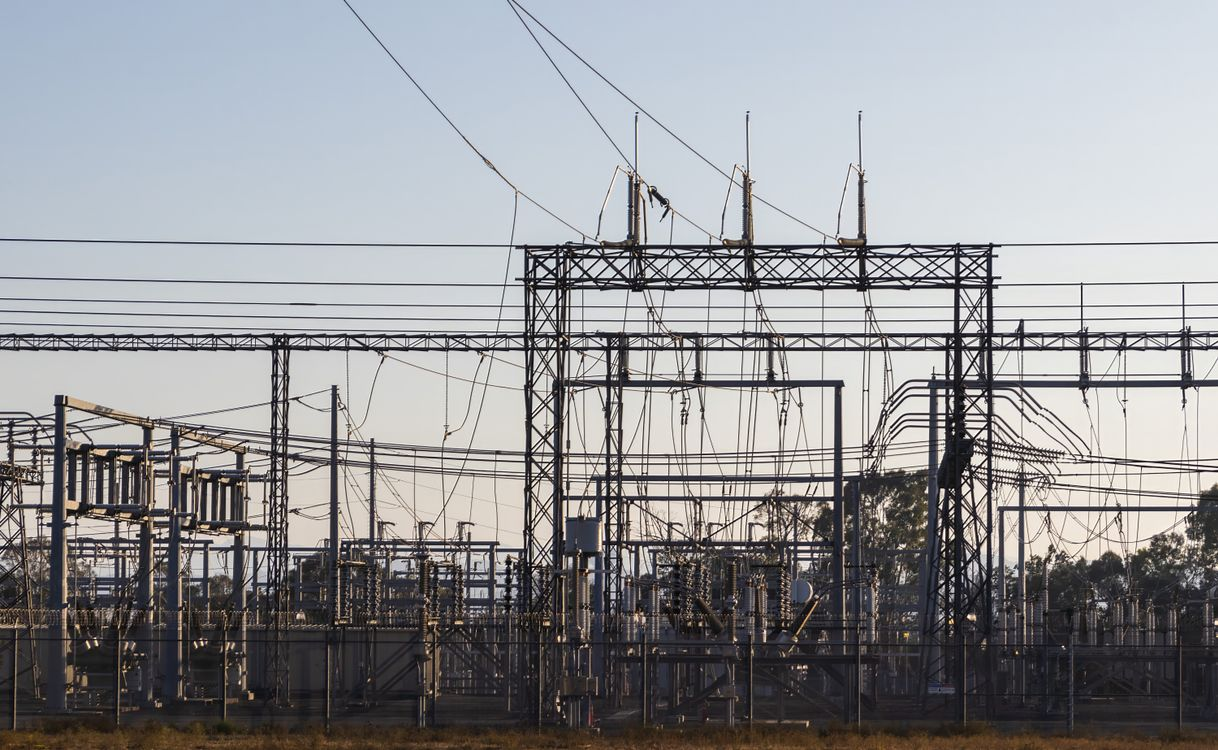
Severe weather, sabotage, or another major incident could leave sections of Lithuania’s 330kV transmission network unavailable. In normal operation, connected transmission circuits and interconnectors allow power to move between generation and demand centres. Litgrid’s proposal would instead make it possible to separate the system into temporary regional operating areas that can preserve essential electricity supplies while the damaged network is unavailable.
The seven proposed areas follow the country’s existing electrical topology and principal network nodes. Litgrid identifies 110kV infrastructure as part of the arrangements for maintaining supply within regions once a section of the main network is lost. Continued operation would require suitable local electrical routes, sources of supply, system controls, and the ability to balance demand and generation inside each separated area.
Electrical frequency and voltage have to remain stable after an island separates from the interconnected transmission system. Generation located nearby is insufficient on its own: the available units must respond to demand changes and operate alongside suitable protection and control arrangements. Depending on the network configuration, restoration will also require coordinated switching and the controlled reconnection of equipment and customers.
Under the proposal, at least ten new flexible generating plants would provide a combined 800MW of power near important network nodes. Litgrid plans to award services through technology-neutral competition, with the operating requirement centred on the ability to generate flexibly for extended periods when called upon. No fuel, plant design, or construction supplier has been selected, and the proposed capacity must not be described as an approved programme of gas-fired generation.
Existing power stations would also be modified so that they can contribute to emergency operation, while batteries form part of the planned technical approach. Storage can respond rapidly to a changing electrical imbalance, but its available discharge duration is limited by stored energy. Sustained island operation therefore also requires resources able to supply electricity over the longer periods specified by the planned services.
A first stage envisages four islands centred on the Vilnius, Kaunas, Klaipėda–Mažeikiai, and Šiauliai–Panevėžys regions. Litgrid expects partial isolated operation in these areas from 2028, based on the use of existing equipment and upgrades. This is not the same as declaring four fully independent regional systems ready in 2028: the consultation describes progressive capability leading towards a broader arrangement.
A second phase, from 2033, would extend the arrangements to at least seven islands across Lithuania. Litgrid also proposes new categories of isolated-operation and restoration services, distinguishing the immediate response to a loss of network infrastructure from the subsequent restoration of wider supply. The organisation’s consultation describes changes to existing reserve arrangements as the model develops; these are proposed service rules rather than already contracted capabilities.
To procure the necessary generation, Litgrid expects to hold technology-neutral service auctions in 2027, provided the required legal and regulatory amendments are adopted. Winning participants would have five years to develop the new flexible capacity and would subsequently supply regional isolated-operation services for 15 years. The operator is therefore proposing a long-term availability and resilience service, not only occasional electricity sales.
Litgrid estimates that the new regional services could affect the electricity transmission tariff by approximately 0.67 euro cents per kilowatt-hour after 2033. It also expects the flexible plants to moderate wholesale price peaks during extended periods of low renewable generation. Both effects are forecasts: the final cost and market outcome will depend on the technical requirements, procurement prices, and decisions by the relevant authorities.
Lithuania’s connection to the continental European electricity system remains the basis of normal power-system operation. The regional islanding concept is intended for exceptional conditions in which major transmission links cannot be used. Litgrid says its design drew on Ukraine’s experience of maintaining electricity supplies during repeated attacks on energy infrastructure, with a focus on protecting local demand and essential services during severe disruption.
Consultation on the isolated-operation services concept runs until 10 December 2026, and Litgrid has scheduled a market presentation for 25 November. A revised concept is expected in January 2027. Subject to the necessary legal amendments, the operator then intends to begin service auctions during 2027, before the first regional capability in 2028 and the wider seven-island model targeted for 2033.