IN Brief:
- Siemens has secured a six-year Gridscale X software contract with Kärnten Netz in the Austrian province of Carinthia.
- The deployment includes LV Insights, LV Management, and Flexibility Manager to model grid conditions and support congestion and outage response.
- The operator is preparing for an expected near-doubling of installed photovoltaic capacity in Carinthia by 2030 and emerging flexibility-market arrangements.
Siemens has secured a six-year contract to deploy its Gridscale X software platform for Kärnten Netz, the electricity distribution system operator serving the Austrian province of Carinthia. The agreement covers low-voltage network visibility, active network management, and flexibility management, giving the operator new digital tools for managing connections and constraints as distributed energy resources expand.
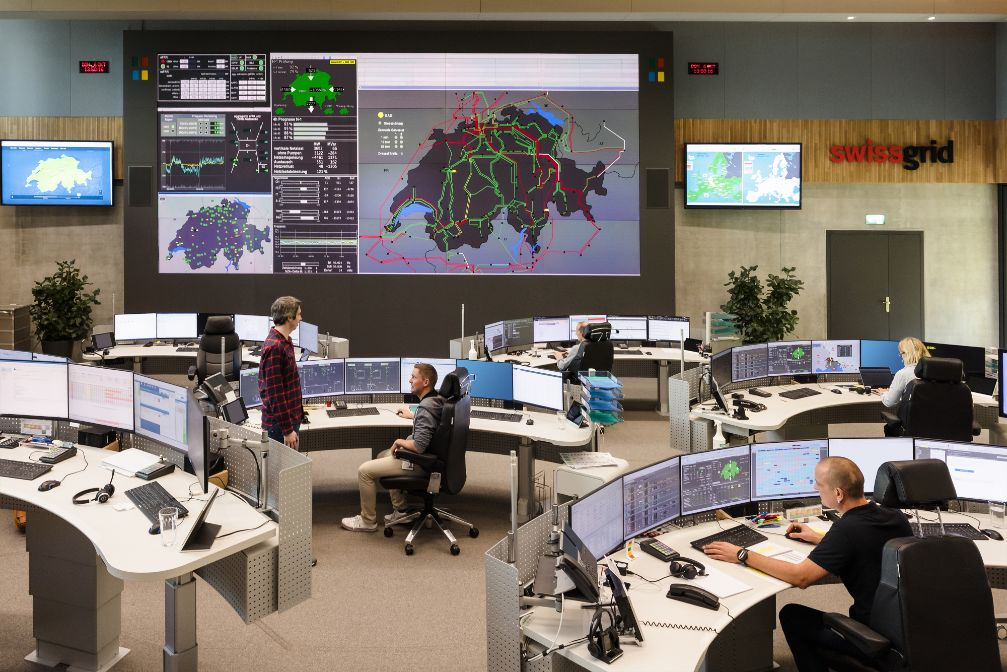
Kärnten Netz has selected three applications: Gridscale X LV Insights, LV Management, and Flexibility Manager. Siemens says their combined use will allow the company to build a detailed digital model of its electricity network, extending visibility into low-voltage circuits that can be difficult to monitor with the same granularity as higher-voltage assets. The contract covers deployment and activation; an operational completion date for each application has not been specified.
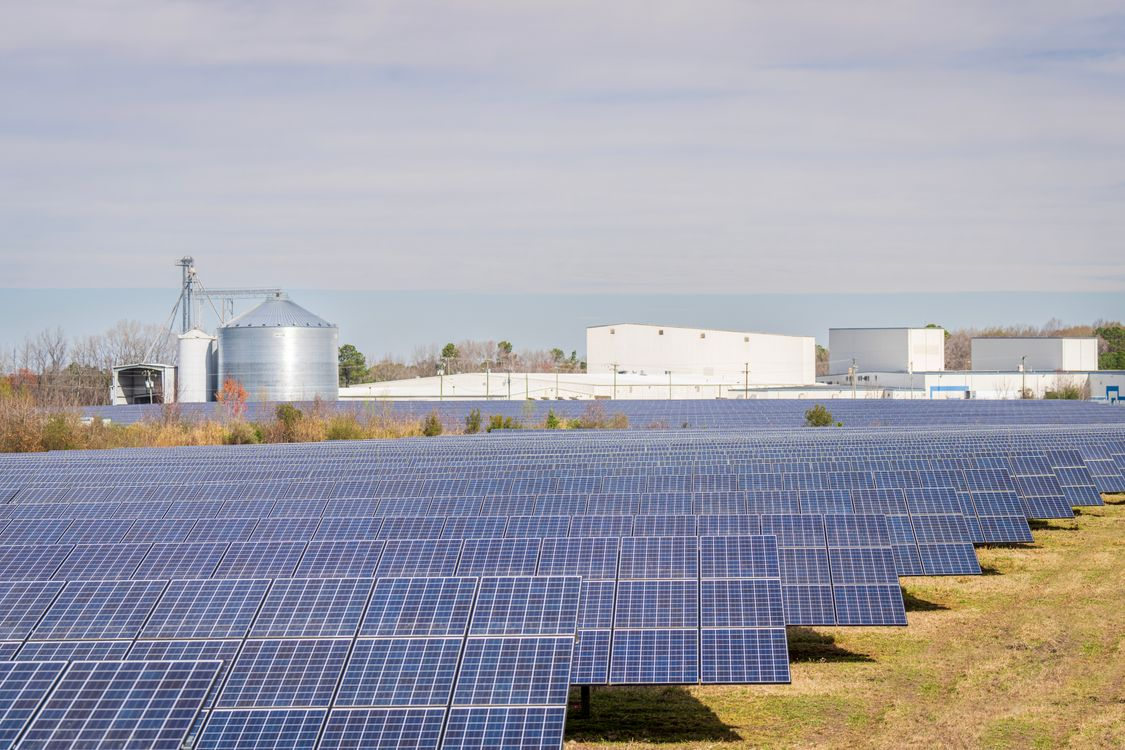
Carinthia’s distribution circuits are having to accommodate electricity flowing in more directions and at less predictable times. Rooftop and other distributed photovoltaic installations can export into local networks, while electric vehicles, heat pumps, and flexible industrial or commercial loads increase and alter demand. On some circuits those changes can increase voltage when consumption is low, or raise thermal loading at other times, making accurate local operating information more valuable.
Installed photovoltaic capacity in Carinthia is expected to nearly double by 2030, according to the outlook cited by Siemens. The forecast is not a measure of capacity already installed. It helps explain why the operator is developing systems to estimate the likely location and timing of congestion, as well as to manage changes in voltage, demand, and distributed generation across its network.
Gridscale X LV Insights is intended to increase transparency at low-voltage level by combining network records with available operational data. Those inputs matter: an incomplete asset model or missing measurements can weaken the accuracy of a digital representation of the network. Better visibility can nevertheless help operators identify circuits approaching operating limits, assess connection requests, and target engineering investigation or reinforcement.
LV Management adds functions associated with active network operation and outage management. A detailed and up-to-date digital representation of network assets can support the assessment of fault locations, affected circuits, and possible switching options. Practical restoration decisions still depend on approved procedures, the actual electrical configuration, and the safety of field operations, but consistent data can reduce uncertainty when an operator has to respond quickly.
Flexibility Manager is intended to forecast congestion and identify resources that can change their demand or export in response. Such resources may include controllable loads or storage systems able to adjust their operating schedules. Their usefulness is location-dependent: reducing demand on a different feeder will not automatically resolve an overloaded section, and an operator must still establish the permitted response and how it is measured.
Improved visibility and flexibility management may allow Kärnten Netz to use existing network capacity more efficiently. Neither technology removes the need for equipment reinforcement where thermal limits, fault levels, voltage requirements, or security standards demand it. Instead, the operator expects the applications to provide better information about the conditions under which flexible operation can defer or complement physical upgrades.
The software decision also comes as Austria develops its Electricity Industry Act framework, known as the EIWG. Siemens and Kärnten Netz point to the anticipated greater role of market-based flexibility mechanisms, under which network operators may be able to procure actions from flexible assets rather than relying exclusively on physical network expansion. The exact regulatory arrangements remain relevant to how any flexibility tools are used.
Eva Tatschl-Unterberger, managing director of Kärnten Netz, said the company wanted a detailed digital network model to support outage and congestion management. Sabine Erlinghagen, managing director of Siemens Grid Software, pointed to the growth of photovoltaic generation and the pressure that creates for voltage control and local network capacity. Neither company gave a contract value or a quantified, independently demonstrated savings figure for this deployment.
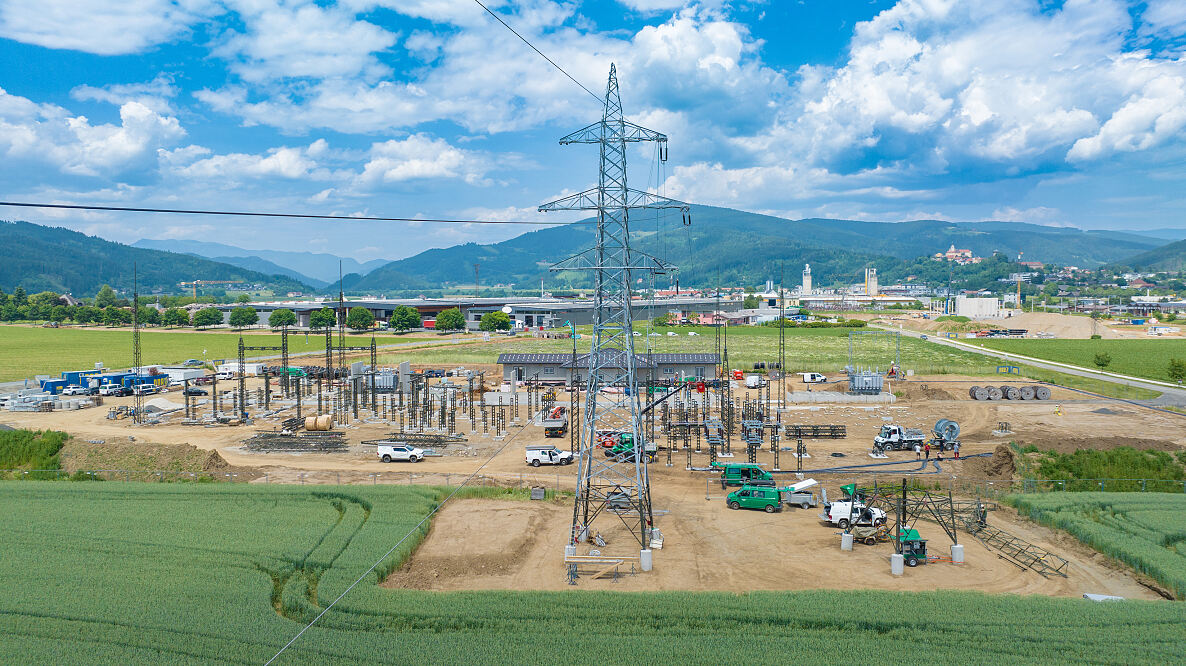
Carinthia’s distribution network is already undergoing physical modernisation, including substation automation, cable infrastructure, and improved data communications through programmes supported at European level. The new software contract is separate from those earlier civil and electrical investments, although network models and operational data can become more useful as modernised assets provide additional information.
During the six-year contract, Kärnten Netz will need to integrate the applications with its network asset records, available measurements, and established operational systems. The extent of the resulting improvement will depend on data quality, the reliability of the digital model, and access to flexible resources where constraints occur. Siemens has not given an application-by-application activation timetable, so full network-wide operation should not be treated as already achieved.